Stock Markets Cautious as Trump Signals New Tariffs
The Asia-Pacific stock market had a marginal increase after hints by Donald Trump on potential tariffs in Mexico, Canada, and China. Investors continued to be very cautious in view of potential shifts in trade policies and economic uncertainty.

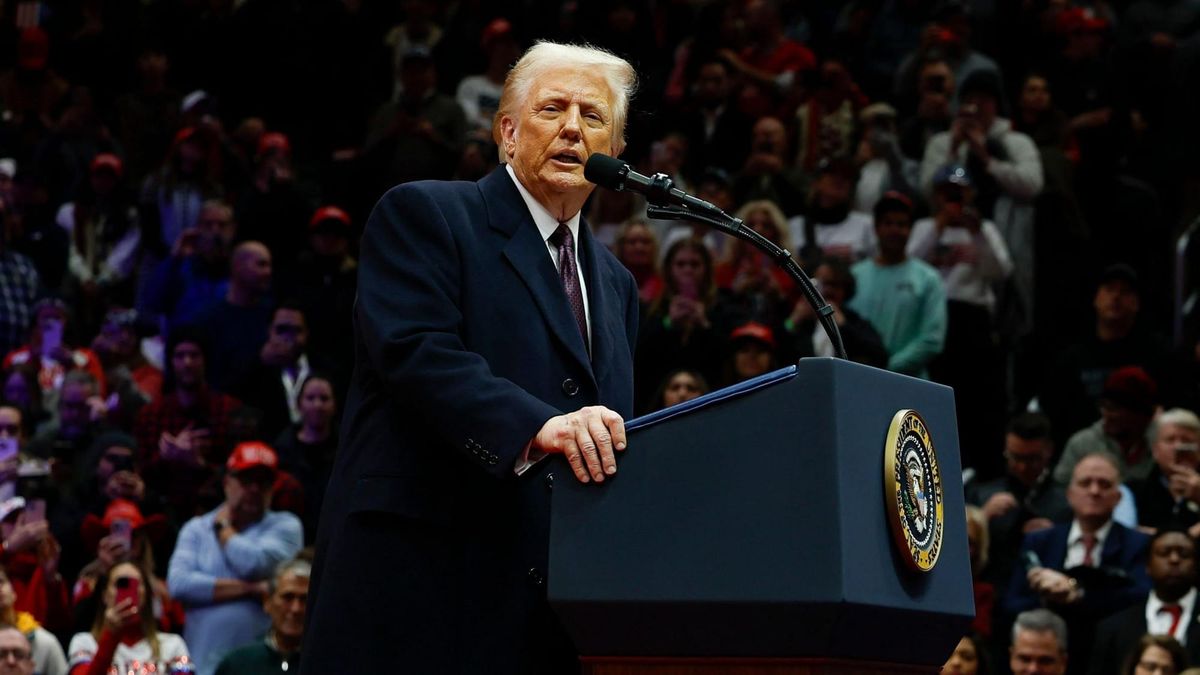
The Asia-Pacific stock markets gained modestly on Tuesday after President Donald Trump said he is considering new tariffs on Mexico, Canada, and China. The comments have left investors cautious about the potential economic impact and market volatility.
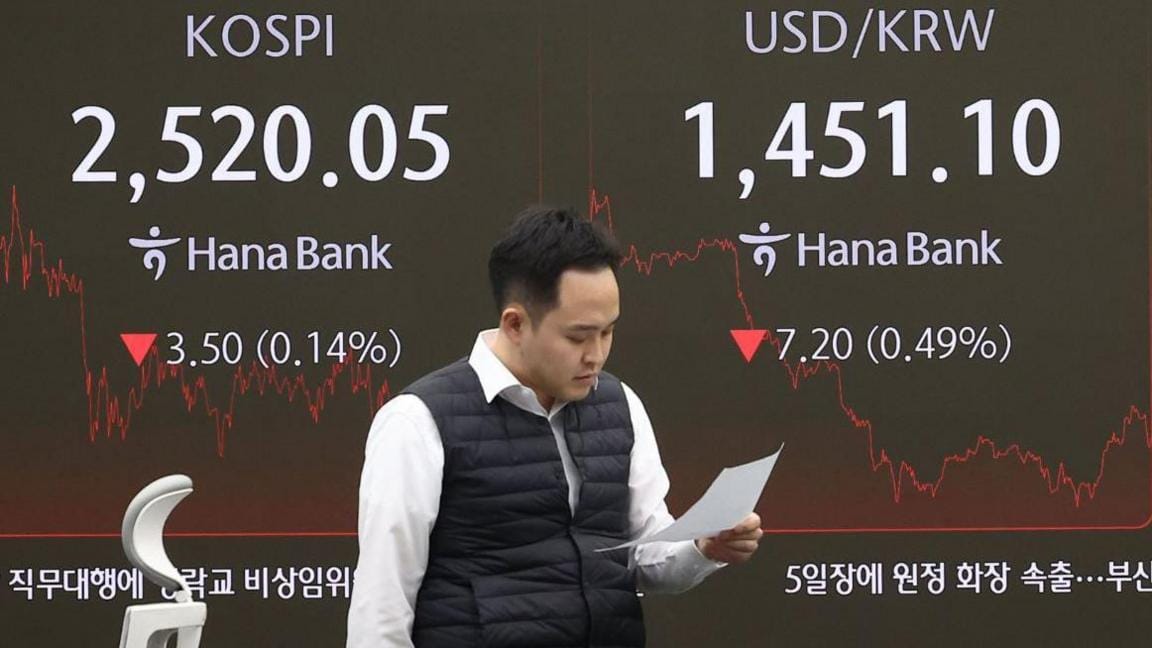
Market Reaction and Global Response
Despite his declaration, stock markets remained buoyant with Hong Kong's Hang Seng up by 0.8%, South Korea's Kospi flat, Japan's Nikkei 225 increasing 0.3%, and Australia's ASX 200 closing 0.6% higher. The cautious optimism suggests that traders are waiting for further clarity on the trading policies before making bigger investment decisions.
Meanwhile, the dollar gained ground against major currencies, such as the pound and the euro. The Mexican peso and the Canadian dollar, on the other hand, fell after Trump's threats of tariffs.
Oil prices fell, too, due to concerns over potential trade disruptions that may affect global demand. Bitcoin gained a little bit, probably because of Trump's previous promises to support cryptocurrencies.
Trump's Tariff Agenda: Key Highlights
Market sentiment has historically been significantly influenced by Trump's tariff policies. During his campaign, he promised a universal 10% tariff and a 60% import tax on China. On Tuesday, he stated that he was considering a 25% tariff on Mexico and Canada due to immigration and fentanyl imports.
"We're thinking in terms of 25% on Mexico and Canada because they're allowing vast numbers of people, Canada's a very bad abuser also, vast numbers of people to come in, and fentanyl to come in," Trump said in the Oval Office.
He added that more tariffs on China may be influenced by whether or not a TikTok deal would be reached on the future of the app. If Beijing opposes such an agreement, "that would be somewhat of a hostile act," he warned.
But the president clarified that the U.S. is still not ready to apply tariffs on all imports. However, investors continue to be worried as uncertainty persists over future trade talks.
Effect on U.S. and Global Economy
Economists have mixed views on Trump's tariff strategy. Supporters argue that tariffs will protect American industries and create domestic jobs. Trump's advisor Judy Shelton emphasized that his "main priority is to re-energize the private sector" through economic liberty, lower taxes, and less regulation. She also claimed that tariffs are "a very effective negotiating tool" and could be used strategically with Mexico and Canada regarding immigration policies.
Critics, however, argue that tariffs could increase inflation by raising the costs of imported goods. This may force the Federal Reserve to hike interest rates, which may slow economic growth. Moreover, retaliatory tariffs from affected countries may harm U.S. exports and disrupt global trade relations.
Investor Sentiment and Market Outlook
Financial analysts think that the return of Trump to the White House is going to usher in a new degree of uncertainty to the markets. According to Charu Chanana, chief investment strategist at Saxo Bank, "the first few hours of the Trump administration have underscored that policy environment will be dynamic once again, and markets should brace for volatility."
While the market sentiment was dented when President Trump signed executive orders from the Oval Office, Tim Waterer, chief market analyst at KCM Trade, said "investors heard more explicit details regarding the Trump tariff agenda that sullied the market mood a bit."
Future Implications and Strategies for Investors
With trade policies of Donald Trump back into focus, investors need to take a cautious approach. Some key strategies include:
Diversification: Investing across asset classes to mitigate the uncertainty of market movements.
Monitoring announcements from policymakers on trade negotiation and tariff implementations.
Focusing on the domestic markets: Where U.S. industries that are likely to gain strength could be searched for.
Exploring safe-haven assets: Gold, and cryptocurrencies, perhaps, as hedges for uncertainty.
As global markets continue to work through these changes, investors should be watchful and ready for changes in trade policies and the economy that might be influenced by these policies.
Frequently Asked Questions (FAQs)
How could Trump's new tariffs affect the stock market?
Trump's proposed tariffs could create market volatility. While some sectors may benefit from protectionist policies, others reliant on international trade could suffer. Investors should expect fluctuations in stock prices, particularly in industries dependent on imports and exports.
How do tariffs affect the global economy?
Tariffs may force higher prices of imported goods that can contribute to inflation. Tariffs can even provoke retaliatory measures from affected countries, leading to trade disputes and slowing down the rate of global economic growth.
Why was the U.S. dollar gaining after Trump announced his tariffs?
The dollar appreciated against other currencies as investors believed that tariffs would lower trade deficits and strengthen the U.S. economy. However, long-term impacts are contingent on trade negotiations and possible retaliatory measures from trading partners.
Which industries are most impacted by new tariffs?
Industries that rely heavily on imports, such as manufacturing, automotive, and consumer electronics, will likely see cost increases. Domestic producers in protected sectors will likely benefit from reduced competition.
Are investors concerned with market volatility on account of the policies of Trump?
Yes, investors should be cautious. Trade policies of Trump can cause market movements unpredictable in nature. Diversification and strategic investments in stable assets will help to reduce risks during uncertain times of the economy.