Stock Market Today: Dow, S&P 500, Nasdaq Slide as Inflation and Tariff Fears Trigger Another Losing Week

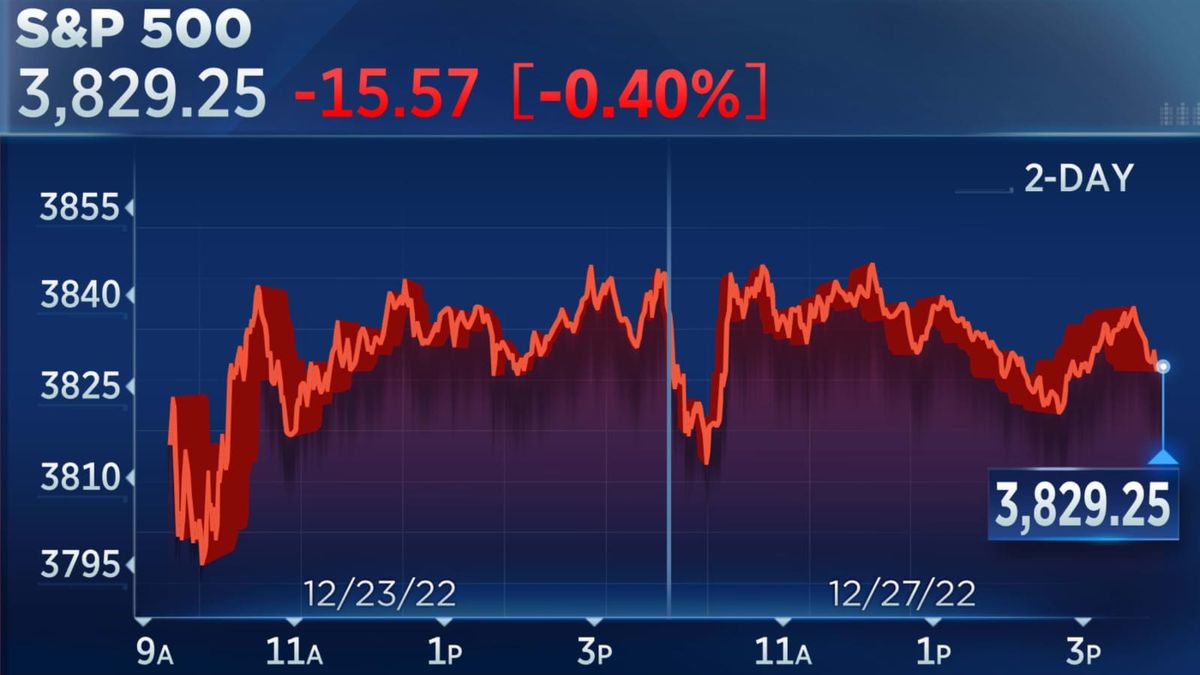
US stocks fell sharply on Friday as investors grappled with the potential for more tariffs from the Trump administration and rising inflation concerns. The S&P 500 and Nasdaq registered their second straight week of losses, while the Dow Jones plunged over 400 points. Meanwhile, Amazon stock suffered a 4% decline following a disappointing revenue outlook.
The week closes on a sour note with losses in all three key indices; the S&P 500, for the second week running was down almost by 1% while Nasdaq, known as the technology laden index was some 1.4% worse off, whereas the Dow Jones Industrial Average took a blow losing more than 400 points at its worst.
Rising inflation expectations and fears over new tariffs weighed on investor sentiment. The University of Michigan's consumer sentiment survey showed that inflation expectations among Americans surged to 4.3% for the next year, a full percentage point higher than the previous month. This is against the backdrop of continued uncertainty over trade policies, with President Trump hinting at new reciprocal tariffs on American imports.
Effect of Tariffs and Inflation on the Market
Tariff-related concerns resurfaced following President Trump’s remarks at the White House alongside Japan’s Prime Minister Shigeru Ishiba. Trump hinted at potential tariffs on Japanese goods while reaffirming his stance on reciprocal trade measures. These comments raised fears of an escalating trade war, which has historically spooked markets.
While this was happening, inflation expectations skyrocketed as well, raising investors' nervousness further. Higher inflation can still frighten the Federal Reserve into raising interest rates more aggressively, creating uncertainty for stock valuations. The 10-year Treasury yield responded with a jump to 4.5%, which mirrors the anxiety of the market over its fears of higher prices and tighter monetary policy.
Monthly Jobs Report: Mixed Signals
The US Bureau of Labor Statistics latest jobs report was a mixed bag on the economy. The US economy added 143,000 jobs in January, less than the economists' expectation. The unemployment rate did come down to 4.0% from 4.1% in December, though.
Still, the low job growth report added to apprehensions that inflationary pressures were cooling down the economy. It is a slowdown in job growth that can mark weakening demand that could lead to lower consumer spending and corporate earnings decline.
Struggling Big Tech Stocks
Technology shares were one of the biggest factors in dragging the market down. Amazon (AMZN) was down 4% after it released a dismal revenue forecast. It was among other Big Tech companies, like Google (GOOG), which have failed to impress Wall Street with their earnings outlooks.
The broader tech sector has been under pressure due to high interest rates and rising costs. Investors have been particularly wary of growth stocks, which tend to suffer when borrowing costs rise.
Investor Outlook: What's Next?
Going forward, investors will be closely monitoring inflation data, Federal Reserve comments, and any new tariff developments. The market's next move will likely depend on economic reports and corporate earnings results in the coming weeks.
As inflation expectations rise, the Fed is likely to become even more aggressive with rate hikes. This could introduce further volatility into equity markets. Any further uptick in trade tensions could fuel uncertainty and fragilize global markets.
FAQs
Why did the stock market decline this week?
The market declined on account of a perfect storm of increasing inflation expectations, new tariffs angst, and the disappointing earnings announcements from major technology companies like Amazon.
How did inflation expectations affect the market?
Rising inflation expectations increased concerns that the Federal Reserve may decide for more aggressive interest rate hikes, which typically negatively impact stock valuations.
What was the effect of tariffs?
President Trump said he would have reciprocal tariffs on American imports, creating a fear that the trade war may heat up. This created uncertainty, causing panic among investors to sell their stocks.
How did the jobs report influence investor sentiment?
The US economy added fewer jobs than expected in January, and this could indicate slowing of the economy. The slight drop in unemployment, however, provided some comfort.
What are investors to look out for in the coming weeks?
Investors should be paying attention to inflation reports, statements from the Federal Reserve, corporate earnings, and any new trade developments that might influence market sentiment.