Sting Says Diddy Allegations Don't 'Taint' 'Every Breath You Take' for Him: 'It's Still My Song
Sting sounded off on Diddy's use of the song "Every Breath You Take" as "I'll Be Missing You," telling MTV News that no amount of "taint" for Diddy makes the song any less his.

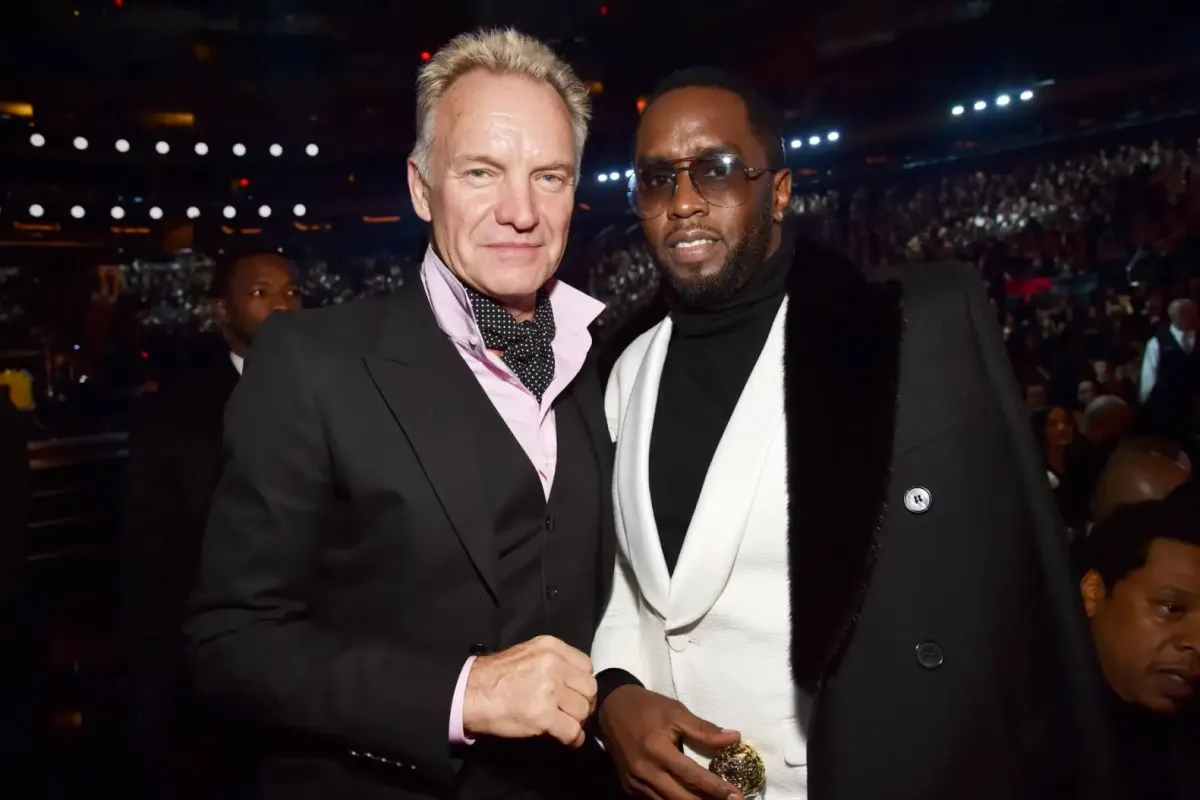
Sting Addresses Diddy Allegations: 'Every Breath You Take' Remains His Song
In music, so few songs were as vivid in a listener's heart as The Police's "Every Breath You Take," a timeless classic written by Sting. In the recent past, however, the song has gained renewed attention due to its prominent sampling in Puff Daddy's (now Diddy) 1997 tribute song "I'll Be Missing You." Although the track became an overnight success, it also opened a long-standing debate on the appropriation and royalties over Sting's song. Despite all the controversy, Sting recently spoke out and clarified that the accusations involving Diddy do not represent his feelings towards the iconic song.
The problems, however, started when "I'll Be Missing You," a collaboration between Diddy, Faith Evans, and 112, was released. The song, a tribute to the late Notorious B.I.G, was built around a prominent sample of "Every Breath You Take," cleared with Sting prior to its release. Yet in time, Diddy found himself mired in accusations regarding some shady business tactics related to the song's royalties. Critics were saying that he underpaid Sting for his portions over that track's extensive use. Such allegations sparked public debate on the ethics of the music industry, especially the issues of sampling and royalties.
Yet, Sting has always kept a certain distance from the theatrics. When recently queried by the legendary musician if such controversies would water down his attachment to the song, he succinctly put it: "It's still my song," Sting said. "The allegations do not tarnish it for me. 'Every Breath You Take' stands on its own." He underlined that the legacy and importance of the song remain intact despite the controversy that surrounds it.
What Sting stresses is that he has a straight concern with the art rather than the commercial tangles that are so often hitched on to it. For him "Every Breath You Take" remains an achievement that transcends its commercial success, as well as any other external disputes. He also went on to say that he does not allow that business side of the music industry to enter into his relationship with his very own creations. That song in the 1983 final studio album by The Police named "Synchronicity" has been a defining piece of his career.
While that might sound practical coming from Sting, it also reflects his years of experience about the music industry. The songwriter's career not only depends on his excellence within music but also on his ability to navigate aurally the complexities of his art's legacy. In answering the charge that "Every Breath You Take" is somehow a stalking song, there is a refusal to allow any dark association to be able to steal the limelight over his song's continued popularity.
Over the years, the song has gone down in the hearts of many generations that it touched; it has been used multiple times in movies, commercials, and in TV shows. The hauntingly beautiful melody and lyrics made the song live forever, and that makes it one of the most iconic songs in pop culture. Controversies come and go, but Sting never lost his artistic integrity, and that makes "Every Breath You Take" one of his masterpieces.
In end, it is a composed apology on the part of Sting in reaction to Diddy's claims. Perhaps he cannot dominate the business of the music world, but as far as his song, "Every Breath You Take," goes, there's an absolute feeling of ownership.