Starbucks' New CEO Could Earn Up to $113 Million, While Baristas Average $49,000

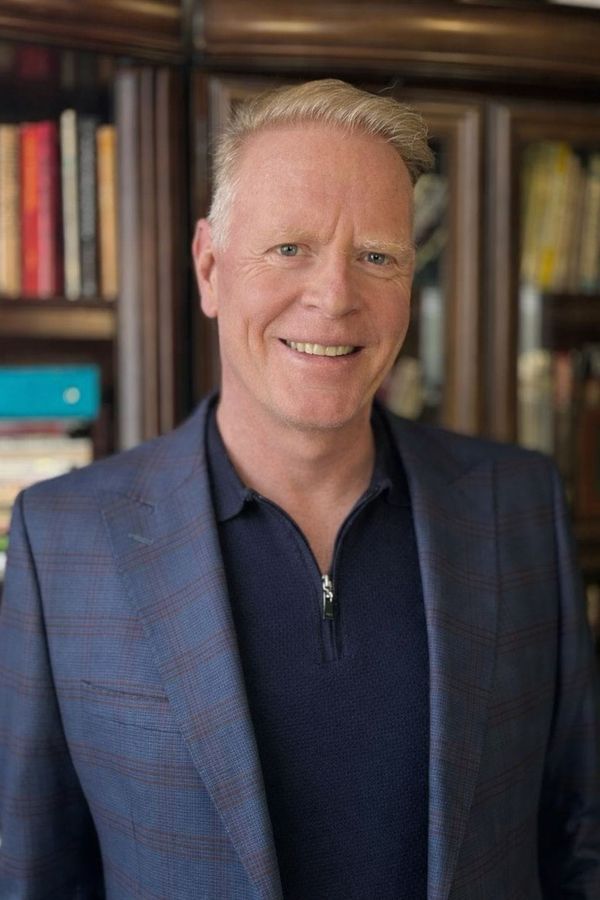
Brian Niccol, who will take over as CEO of Starbucks next month, is set to receive a substantial pay package that underscores the significant disparity between executive compensation and the earnings of typical employees at the coffee giant. According to a regulatory filing with the SEC, Niccol’s total compensation could reach up to $113 million, a figure that starkly contrasts with the average annual wage of a Starbucks barista, which is approximately $49,000.
Niccol’s compensation package is composed of several elements:
- Base Salary: Niccol will receive an annual base salary of $1.6 million. This amount reflects a base compensation that is in line with the high compensation standards expected for a CEO of a major corporation.
- Bonus Potential: In addition to his base salary, Niccol is eligible for an annual bonus of up to $7.2 million. This performance-based bonus is contingent on achieving specific targets and objectives set by the company.
- Sign-On Bonus: Upon joining Starbucks, Niccol will be awarded a $10 million sign-on bonus, which will be paid within the first six months of his tenure. This substantial upfront payment is designed to attract and incentivize top executive talent.
- Stock Grants: The most significant portion of Niccol’s compensation will come in the form of stock awards. Around the time of his start date on September 9, he will receive a stock grant valued between $75 million and $80 million. Additionally, Niccol will be eligible for an annual stock grant worth $23 million, with the first installment scheduled for the next fiscal year. These stock awards are structured to vest fully over a period of four years, aligning Niccol’s interests with the long-term performance of Starbucks.
This compensation structure highlights the premium that Starbucks places on its new CEO, who is expected to lead the company through challenging times. The pay package also reflects broader trends in executive compensation, where stock-based incentives often comprise a significant portion of total earnings, tying executive rewards to company performance and shareholder value.
In comparison, Starbucks’ outgoing CEO, Laxman Narasimhan, received a considerably lower total compensation of just under $15 million in the previous year. However, Narasimhan is set to receive a severance payout of close to $11 million, according to another SEC filing. This severance package aligns with Starbucks’ policies and compensates Narasimhan for his service as he transitions out of the company.
The stark difference in pay between Niccol and the average Starbucks employee has drawn attention to ongoing labor negotiations. Starbucks baristas and other store workers have been advocating for better pay and working conditions, with ongoing bargaining efforts involving the union Workers United. Despite these efforts, contracts and agreements have yet to be finalized, reflecting broader discussions about income disparities within major corporations.