Star of "Wicked," Marissa Bode Speaks Out About 'Harmful' Ableist Comments Regarding Her Nessarose Role
Marissa Bode, star of the production "Wicked," called out the hurtful nature of ableist comments towards her role as Nessarose in a rawly emotional TikTok video requesting kindness and awareness on these matters online.

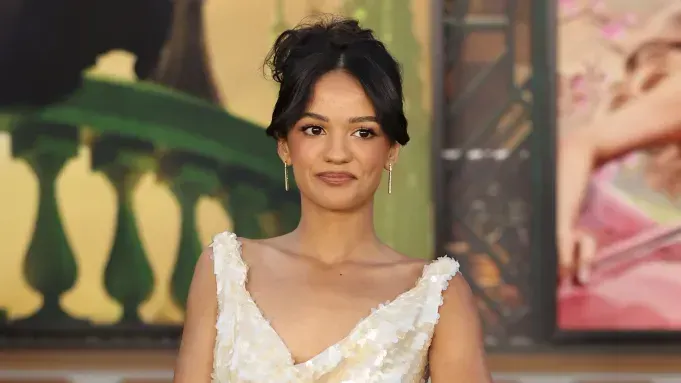
Over the last couple of years, social media have emerged as the outlet of people themselves without fully comprehending the implications that some might consider when posting. While it offers a space for creativity and connection, there is a darker side to that, the spread of damaging comments, especially about marginalized groups. One actress recently took to her TikTok to call out ableist comments made about her role in the highly anticipated movie "Wicked". Marissa Bode, playing the role of Nessarose, who is disabled and the sister of Elphaba, has endured derogatory and belittling comments concerning her character's disability since the release of the film. Because of this, she addressed her fans to treat the disabled with care and kindness and to know that it is not a joke and not something to be humiliated about.
The Road to Wicked by Marissa Bode
Marissa Bode's role in "Wicked" is a significant point in her career. Known for her vibrant personality and deep passion for acting, Bode was cast as Nessarose, a character who plays a crucial role in the emotional and narrative development of the story. Nessarose, originally a character in Gregory Maguire's novel "Wicked" and its stage adaptation, is Elphaba's younger sister. While Elphaba, the "Wicked Witch of the West," is the epicenter of the story, the character of Nessarose also serves to add substance to the narrative, exploring concepts of power, vulnerability, and isolation.
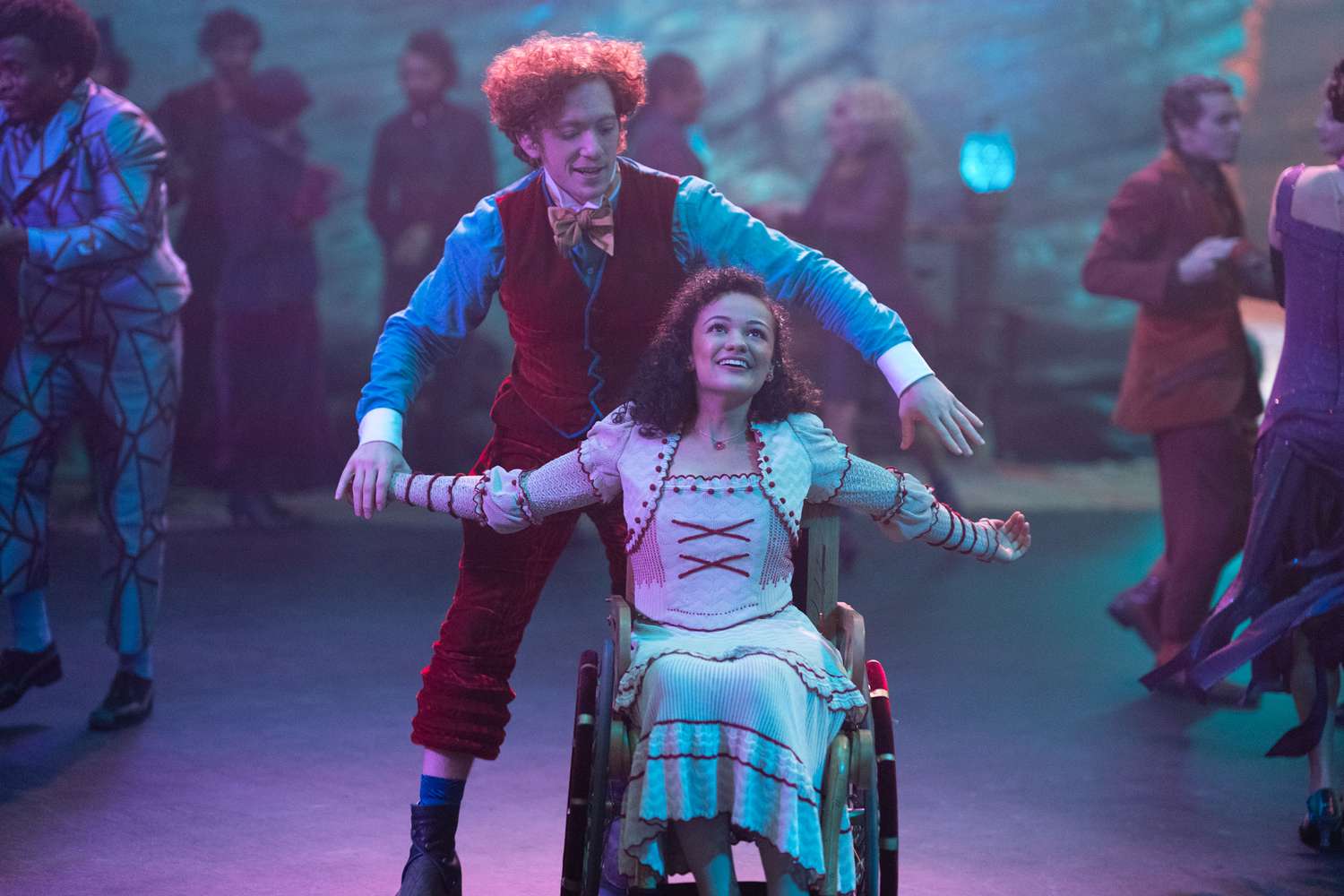
In the film adaptation of "Wicked", the nature of the Elphaba and Nessarose relationship has developed.While close, this relationship is quite complex and based on a combination of love and jealousy. Nessarose's disability, which is portrayed by her use of a wheelchair, is central to her character's experience and how she navigates the world. In the film, Bode's performance brings a humanizing complexity to Nessarose, showing her vulnerabilities, strengths, and desires in a world that is often unkind to those who are different.
The Ableist Comments and Their Impact
Despite the good word about the film and Bode's performance, her character has not been spared from the nasty backlash online. Following the film's release, Bode was hit with a flood of ableist comments – derogatory remarks that mock and degrade her character's disability. In a candid TikTok video shared with her followers, Bode revealed the hurtful and harmful messages she had received.
Bode clarified that she is a "deeply unserious person" who loves to joke and have fun, but she found these particular jokes and comments unacceptable. She stated, "It's absolutely ok to not like a fictional character, but when the jokes are about the disability itself, it becomes something deeply uncomfortable. Disability is not fictional. It's a lived experience, and it deserves respect."
In her video, Bode spoke out about the comments, which included mocking a person for not being able to walk and that perhaps she "deserved it." Some comments went far enough to joke about wanting to push her out of her wheelchair. Such commentaries were not simply complaints about a character's behaviors or role in the storytelling but rather personal attacks based on an aspect of someone's identity. Bode noted that such comments are not only harmful to those who live with disabilities but also to young people who may internalize these negative messages.
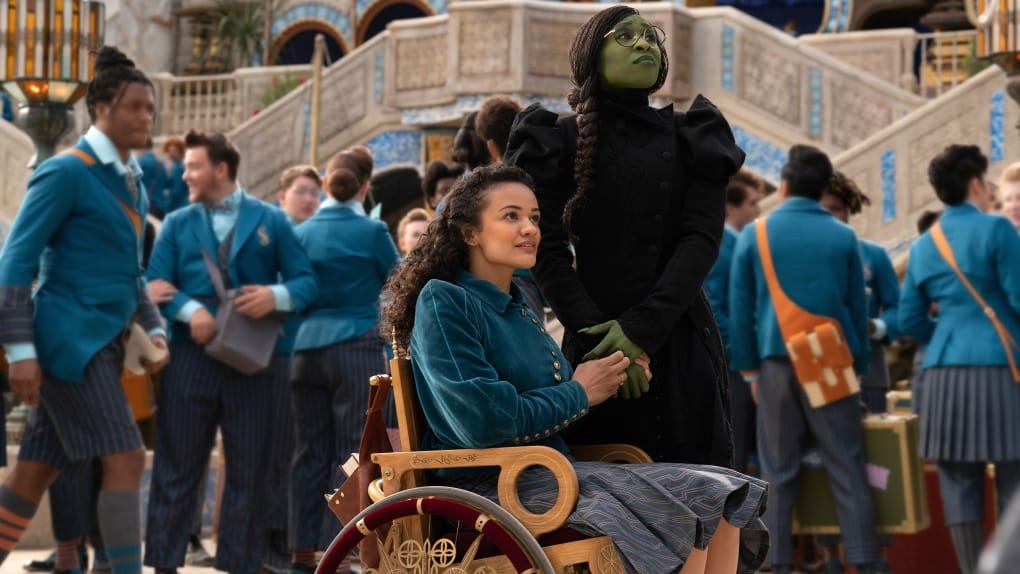
She indicated that most of the jokes made in respect to disability were not knowledgeable but emphasized the importance of raising a voice against such comments. "Those disability jokes are made from ignorance, but that is no reason they should be overlooked. And I do think it is very essential for people to stand up for those who do not have the confidence or space to stand up for themselves," Bode said on TikTok.
A Plea for Compassion and Sensitivity
In her video, Bode seized the moment to deliver a message to her fans: "Please be kind." The plea was not only for her character but for the dignity and respect of all disabled people. She reflected on one of the more central themes of "Wicked", which is about the imperative to understand and listen even when others are different than we are. "I think one of the larger themes within "Wicked" is being able to listen and understand each other, and I hope most of you can really hone that in and take home," she said.
The call for kindness and understanding is especially urgent in today's digital world where people often hide behind anonymity and feel free to post comments without facing any real consequences. While the internet can be a tool for connection and sharing, it also becomes a platform for perpetuating harmful stereotypes and judgments. Bode's message calls on everyone to pause before posting, reflect how their words might affect others, and choose kindness over cruelty.
Bode further added that this is not about her experience but about the more general impact of ableism. "When these kinds of comments are normalized, it creates an environment where disabled people feel unsafe and unimportant," she said. By speaking out, Bode hopes to stand up for herself and thousands of others who face the same kind of discrimination each day.
A Broader Discussion on Disability and Representation in Media
Bode's speaking out is part of the bigger, ongoing discussion over disability representation in film and television. For many years, disabled characters were just set aside or treated with emphasis on their plight, reducing them to the need for plot devices. Over the last few years, however, there has been an upward swing toward nuanced portrayals of disabled individuals; it is along this line that Bode's role in "Wicked" fits.A change that has long been needed is the recent movement of casting disabled actors in disabled roles. In many films and shows, the casting of able-bodied actors to play disabled characters has been a recurring issue, with such casting often resulting in unrealistic or sometimes offensive portrayals. In the case of Bode playing Nessarose, it serves as an example of a more authentic and respectful representation of disability, proving that disabled actors can add depth and humanity to roles that were once underserved or misrepresented.
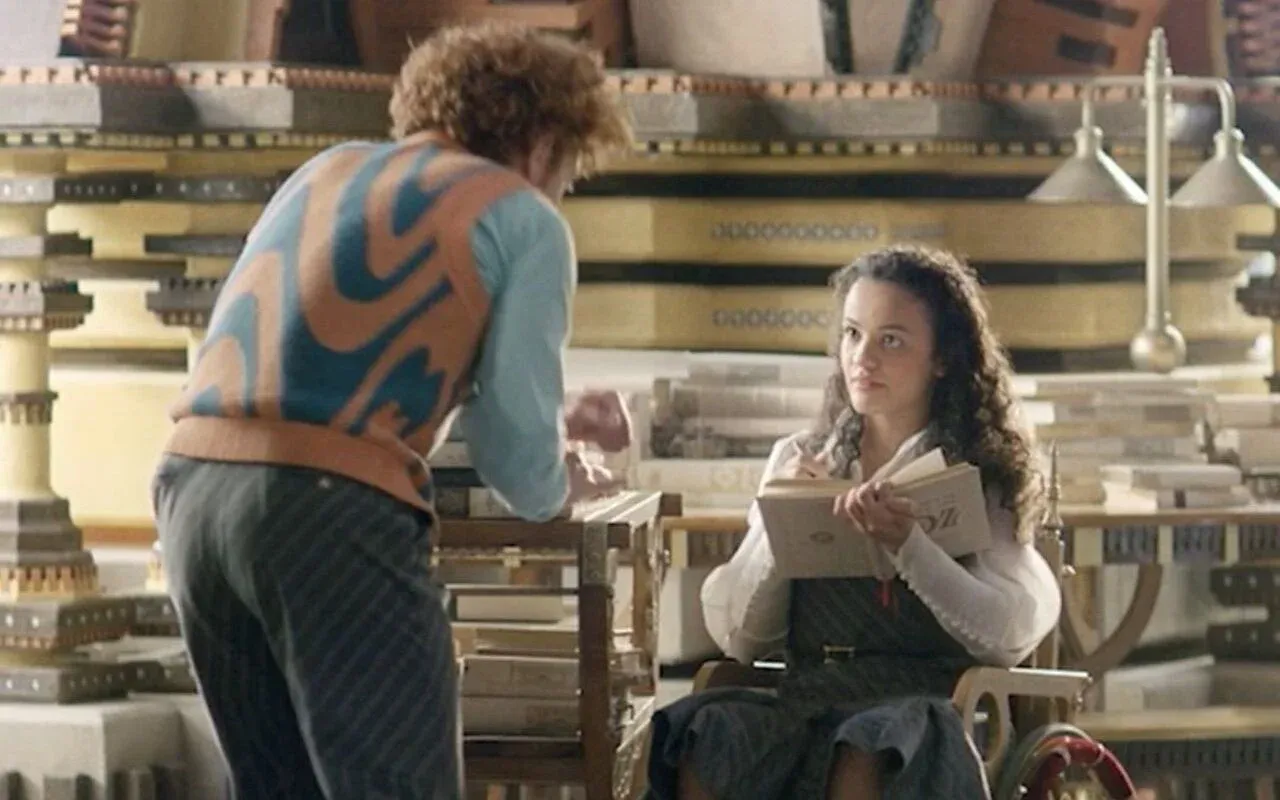
But while progress is being made, much is yet to be done. The fact that Bode has had to face ableist comments speaks volumes for the still existing stigma and misconception that surrounds disability. It is also a need for more education and awareness of what living with a disability entails. People forget that disabled people are "real" human beings who feel the same emotions, have the same dreams, and carry the same weight of problems like any other person.
The role of media in constructing disability perceptions cannot be more overemphasized. Disabled characters can either cement stereotypes or break them if the way they are written is realistic and respectful. The contribution of filmmakers and actors toward a society with a sense of inclusion and diversity is made possible in such a manner. As Bode observed, "Wicked" is also itself a tale about the necessity of knowledge and sympathy; this theme carries on in the "real" world outside Oz. Something each person of every stripe may apply daily, for himself or for his community or for a wider humanity Representation Matters Representation matters, and it's not only about seeing disabled characters on the screen; it's also about seeing them portrayed in a way that reflects the richness of their lived experiences. When disabled characters are portrayed with depth, nuance, and dignity, they challenge societal stereotypes and help normalize the idea that people with disabilities can be just as complex and capable as anyone else.
Additionally, by hiring disabled actors to play disabled roles, filmmakers can portray a strong message of inclusion. It opens up avenues for disabled actors to be appreciated and valued for their talents rather than being stereotyped in a very limited set of roles due to their disability. In the case of actors like Bode, who live with disabilities, being able to portray characters that mirror their lives is one step toward wider acceptance and appreciation in the entertainment world.
Moving Forward: A Commitment to Change
The stance of Bode against ableism in the "Wicked" discourse is an important reminder that our words and actions have consequences. It is easy to forget the real-world impact our online comments can have on people's lives, especially when we are speaking about issues we may not fully understand. But Bode's message is clear: kindness, empathy, and respect must guide how we interact with others, both online and offline.
As Bode herself said, "Disability is not fictional," and neither are the experiences of those who live with it. The next time we see a disabled character on screen or hear about someone with a disability, let's remember to listen, understand, and approach them with the kindness they deserve.