South Korean lawmakers seek President's impeachment following controversial Martial Law declaration
"South Korea faces political turmoil as lawmakers move to impeach President Yoon Suk Yeol following his six-hour martial law declaration, raising concerns over democracy and governance in the East Asian nation."

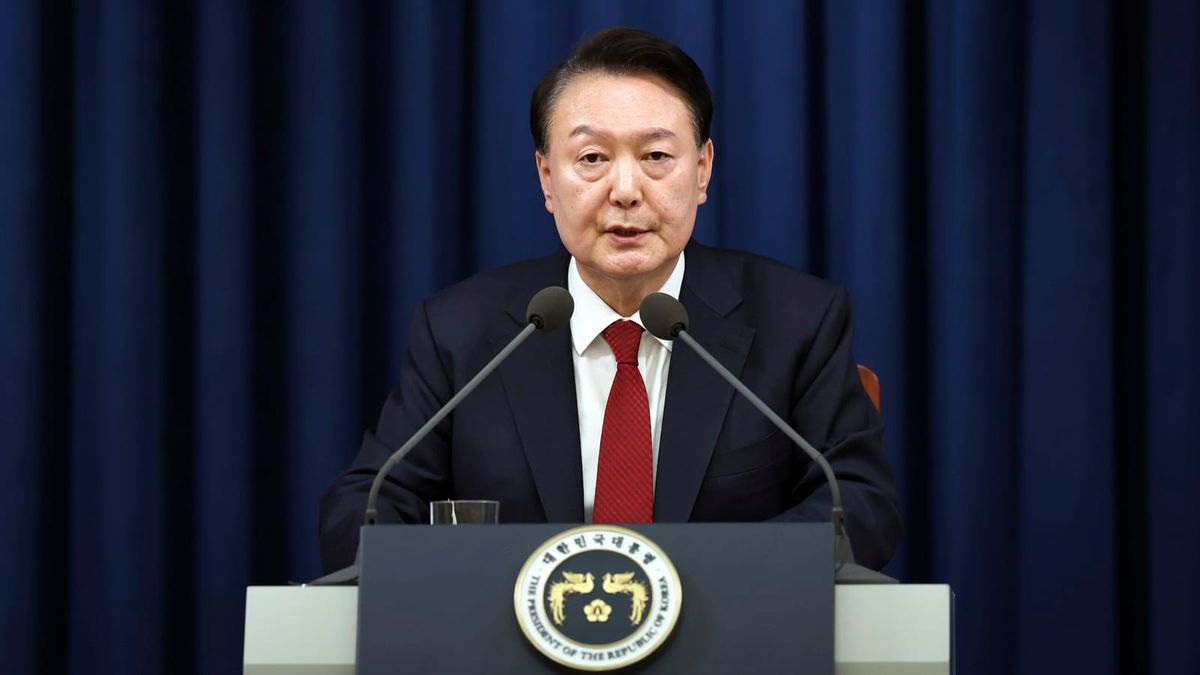
South Korean lawmakers seek President's impeachment following controversial Martial Law declaration For the first time in the democratic history of South Korea, opposition lawmakers have launched an impeachment inquiry against President Yoon Suk Yeol for declaring martial law. The crisis that unfolded within a six-hour time span has opened serious questions regarding governance, constitutional order, and political stability in one of East Asia's leading democracies.
The Martial Law Announcement
President Yoon shocked the nation late Tuesday night by declaring martial law in the face of threat to the constitutional order and national security. In his television address, Yoon accused lawmakers from his opposition of "paralyzing the government." He cast his decision as necessary to ensure South Korea's protection against internal threats, ranging from pro-Pyongyang groups to Pyongyang's actual threat of threatening the security of the North armed with atomic bombs.
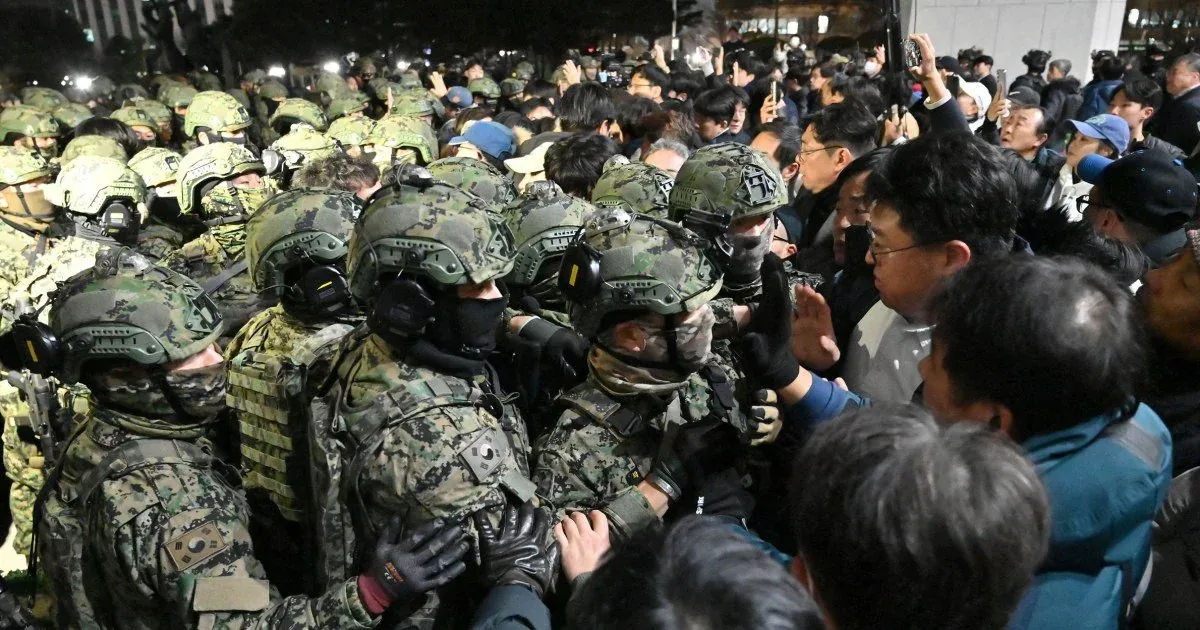
The martial law proclamation went beyond rhetoric. It suspended all political activities, placed media and publications under government control, and ordered striking doctors to return to work within 48 hours. It also saw the deployment of armed troops to the National Assembly, echoing memories of South Korea's authoritarian past.
Swift condemnation met the declaration. Opposition lawmakers, led by the Democratic Party, had emergency sessions, even if they were blocked by police and soldiers from entering the National Assembly. By the early hours of Wednesday morning, they had passed a resolution to nullify the martial law order.
Under heavy political and public pressure, President Yoon revoked the declaration through a pre-dawn speech, declaring that martial law would be lifted once a quorum in the cabinet members approved the decision. The troops had withdrawn by 4:30 a.m., when normalcy was restored.
Impeachment Motion
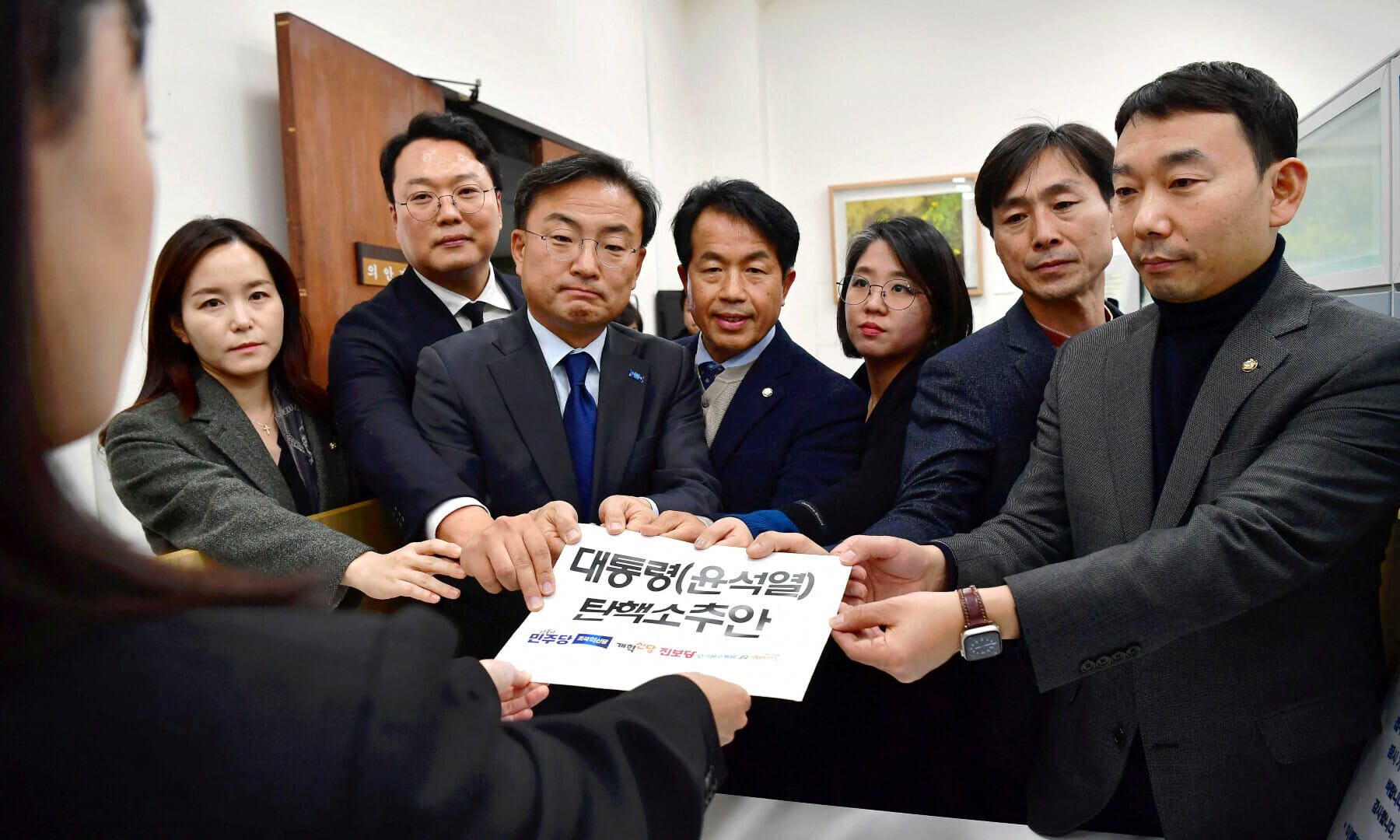
Despite the rapid rescission, the fallout has been severe. Six opposition parties, led by the Democratic Party, filed articles of impeachment against Yoon for violating constitutional principles. The motion to impeach, which needs a two-thirds majority vote in the legislature to be approved, is likely to be brought to a vote by Friday or Saturday.
If passed, the motion will be sent to South Korea's Constitutional Court for review. The Democratic Party has also initiated impeachment proceedings against Defense Minister Kim Yong-hyun, who resigned and accepted full responsibility for declaring martial law. Interior Minister Lee Sang-min and other top officials, including martial law commander Gen. Park Ahn-soo, are being called for criminal charges.
The Reaction from the Political Leaders
Martial Law Declaration: Significant Mistake Han Dong-hoon, leader of President Yoon's People Power Party (PPP), described the martial law declaration as a significant misstep. "The six hours of martial law nearly brought the nation to a halt," he said. Respect for constitutional principles aside, Han did not go as far as calling for Yoon's resignation; rather, an internal investigation in the PPP would be preferred.
Prime Minister Han Duck-soo apologized and assured taking responsibility for the crisis; otherwise, he will ensure maximum support to the stability of the country. The president's office disclosed his chief of staff and other senior secretaries resigned; however, he himself remained relatively silent, with cancelling all his public engagements during the day.
Public and International Reactions
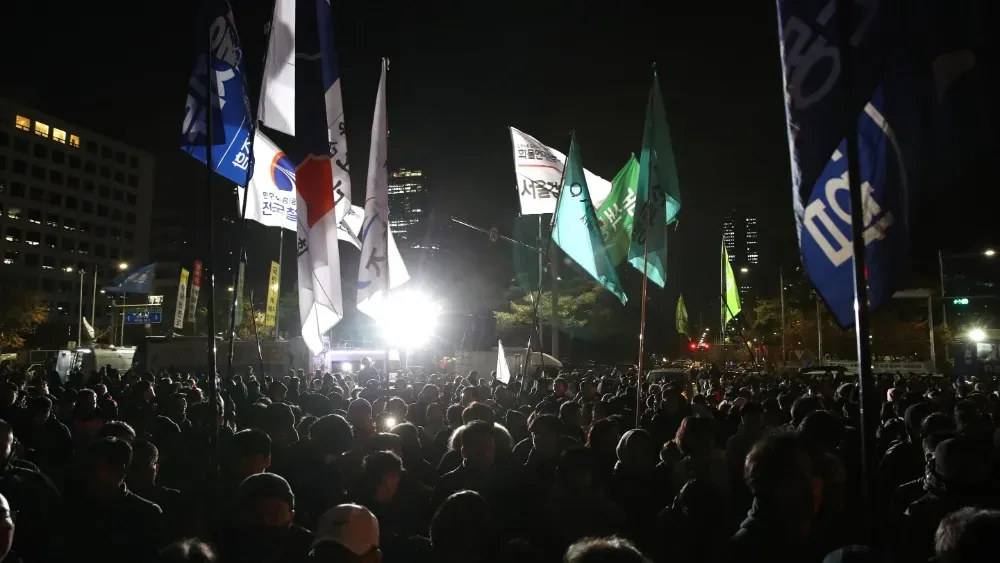
This declaration has stirred public outcry and protests with citizens drawing parallels to South Korea's painful history of military coups. Most South Koreans slept through the martial law hours, but this incident has left deep concerns regarding the fragility of democratic institutions.
Globally, the USA expressed diplomatic concerns. Secretary of State Antony Blinken released a statement about the rescision of martial law, stating this is good and that one should address differences through peaceful democratic means. The Pentagon asserted that U.S. troops deployed to South Korea by the crisis were not at risk because of the strength of the U.S-South Korea alliance, which said was "ironclad."
The uncertainty reflected in the financial markets in South Korea, where the benchmark Kospi index shed 1.44% and the Kosdaq index fell 1.98%. South Korean won had a brief dip to a two-year low before recovering following the cancellation of the martial law order. Analysts from S&P indicated that this short stint of martial law was unlikely to affect the country's credit rating majorly.
This is the first declaration of martial law in South Korea since 1980. That was the era when South Korea was a military government. Since then, South Korea has evolved into a dynamic democracy and one of the world's great economic nations. Memories of past autocracy are quite fresh. So, what Yoon has done is particularly controversial.
The Road Ahead
This vote for an impeachment motion with President Yoon is uncertain but highly representative of the deep polarization in South Korean politics. The Democratic Party controlling the National Assembly likely passes the motion but it's unknown what happens next in the Constitutional Court.
The crisis has also highlighted tensions between Yoon’s conservative government and the liberal opposition, particularly over issues such as next year’s budget and the administration’s hardline stance on North Korea.
"South Korea's democratic institutions faced an unprecedented challenge as President Yoon's controversial martial law declaration ignited a political firestorm, leading to impeachment proceedings that could redefine the nation's governance."
Such implications as this will have long-standing political effects, not only on the future of President Yoon but also on South Korean democratic norms and institutional resilience. For a country that boasts pride in democratic progress, an occasion of these six hours is a sore reminder about the precarious balance between security and freedom.