South Korea Claims At Least 1,500 North Korean Special Forces Troops Are in Russia

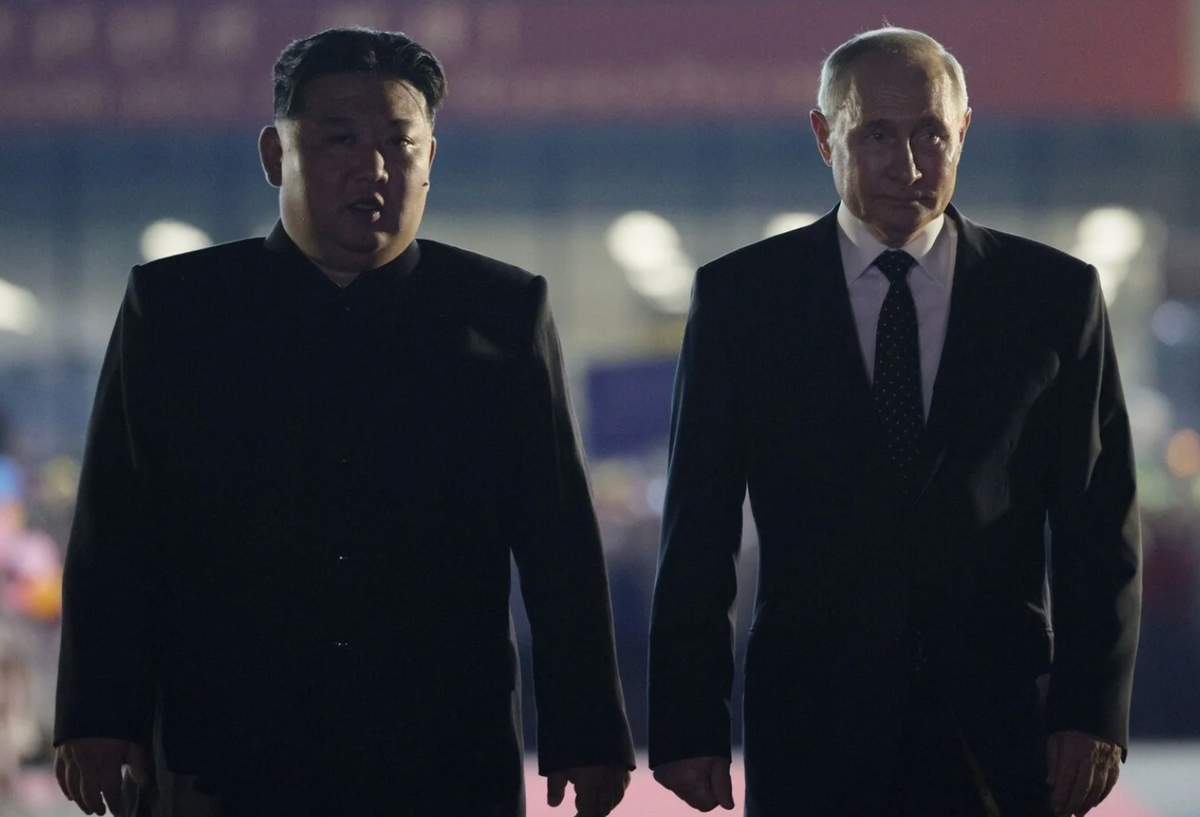
Seoul- South Korea's intelligence officials claimed that at least 1,500 North Korean special forces troops have been stationed in Russia. This situation thus raises questions concerning the wider regional implications and deepening tensions in the Korean Peninsula and Eastern Europe.
North Korean soldiers, it appears, are being used for training and possibly as auxiliaries in Russian military actions, according to military sources here. But military intelligence reports suggest this deployment is part of a larger effort by Pyongyang to boost military relations with Moscow in light of the ongoing conflict in Ukraine and international sanctions imposed on both countries.
North Korean special forces in Russia become a disturbing signal of military cooperation between the two nations in an increasingly abundant manner. South Korean officials have been alarmed by the possible implications such cooperation may have on North Korea's evolving military strength and the probability of instigated instability in the region.
South Korea's Defence Minister Lee Jong-sup reacted by saying that the situation is being closely monitored, and the security of their nation still remains intact. The cooperation between North Korea and Russia concerning the threat of particular weapons is viewed alarming, and the necessary measures will be taken in case such a threat arises.
This report comes at the worst possible time, given that both nations, North Korea and Russia, are also reeling from international isolation in relation to their respective actions. North Korea has been sanctioned strictly over its nuclear weapons program, while Russia is facing major economic pressure following its invasion of Ukraine. This makes both nations seek much closer ties due to the greater geopolitical challenges they face.
International opinion is vigilantly observing the implications of North Korea's troops to Russia as that situation unfolds. It may even further complicate the search for stability in the region by fanning greater tensions among its neighbors—South Korea, Japan, and the United States, among others.