Shell and Partners Commit $5 Billion to Nigeria’s Deep-Water Oil Development
Shell and its partners have pledged a $5 billion investment in Nigeria's Bonga North deep-water oil development. The project aims to sustain oil production and drive economic growth in the country.

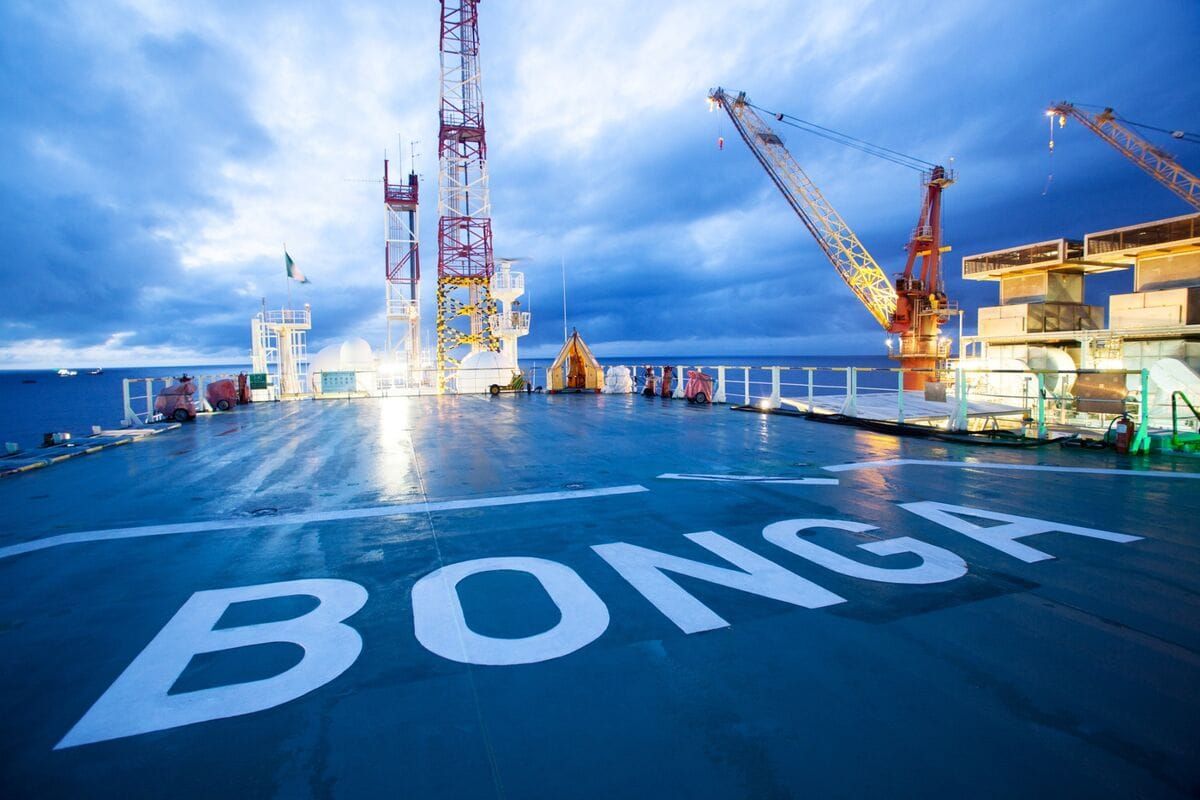
Shell and its joint venture partners have agreed to invest a staggering $5 billion to develop the Bonga North deep-water oil and gas project off Nigeria's coast. The development is expected to increase oil production, maintain the operation of the Bonga facility, and contribute greatly to Nigeria's economy. This article discusses the details of the investment, the expected economic impact, and the significance of this development to Nigeria's oil sector.
General Description of Bonga North
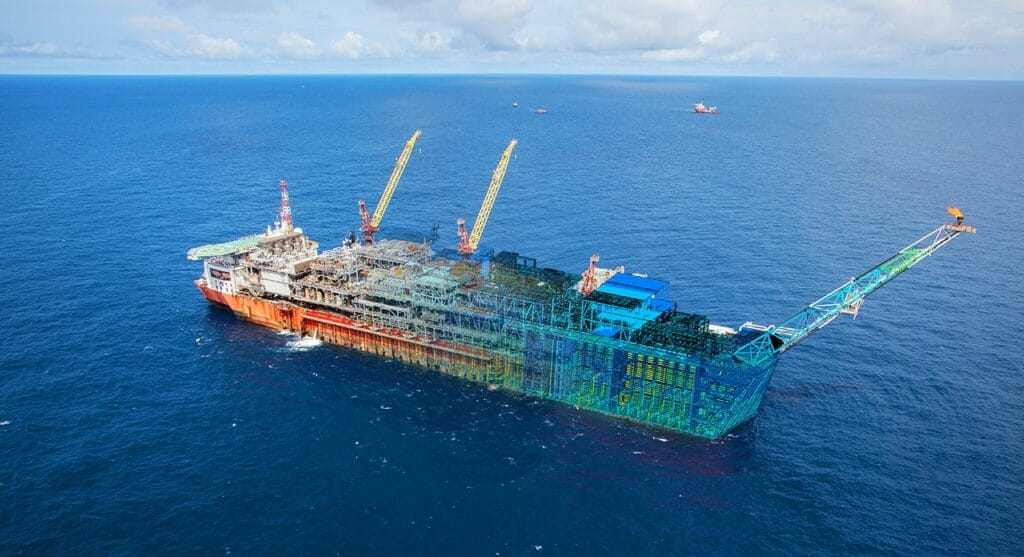
The Bonga North project is one of the largest and most significant deep-water oil developments in Nigeria. Located approximately 120 kilometers off the coast of the Niger Delta, the Bonga oil field has been a vital part of Nigeria's oil production capacity since its inception. The Bonga North extension will be based on the already existing Bonga field, which began production in 2005, and is to further extend its capacity through new technologies and production facilities.
Shell and its partners are investing $5 billion to explore deeper subsea reserves, increase oil recovery, and sustain a steady rate of production. This project will play a critical role in ensuring Nigeria's continued oil output in the next few decades as global demand for oil continues to be high while production in some legacy fields declines.
Partners in the Bonga North Project
Shell, being the operator of this significant venture, is supported by several other crucial partners. Such partners are ExxonMobil, TotalEnergies, and Nigerian state-owned oil company NNPC (Nigerian National Petroleum Corporation). This partnership has extensive experience in deep-water oil exploration and development. Each partner contributed capital to the project, while Shell leads its execution.
This collaboration between these companies is a testament to the growing importance of multi-national partnerships in the energy sector, particularly in challenging environments like deep-water drilling, where costs are high, and technological expertise is critical.
Technological Innovation and Environmental Responsibility
It is not just an increase in oil output, but the project also introduces the most advanced technology in the field that will be designed to increase the rates of oil recovery and reduce the impact on the environment. Advanced subsea equipment, floating production systems, and advanced drilling techniques are being invested in by the partners to ensure maximum exploitation of the Bonga North field with minimum environmental impacts.
Shell and its partners have agreed, given the worldwide trends, to a more sustainable approach in their development of deepwater resources. This includes introducing carbon capture technology; operations continue to focus on reducing their carbon footprint.
Economic Benefits to Nigeria
The country of Nigeria is one of the largest oil-producing nations in Africa. The Bonga North project will benefit the country by way of a massive economic gain. The investment made is about $5 billion, and it will offer jobs to thousands of Nigerians in direct and indirect ways, because of the creation of local supply chains and services that would support the deep-water oil industry.
The project will also yield a significant amount of tax revenues for the Nigerian government, which can be reinvested in critical infrastructure, healthcare, and education. The steady flow of oil from the Bonga North field will also help sustain foreign exchange reserves, which are crucial for Nigeria's economic stability.
Impact on Nigeria's Oil Production and Future Prospects
Nigeria's oil production has been on a downward trend in recent years, largely due to aging infrastructure, regulatory issues, and output decline from some of the country's older fields. However, with the Bonga North project, Shell and its partners are reversing this trend, ensuring that Nigeria remains a key player in the global oil market for the foreseeable future.
The Bonga North project will play a significant role in stabilizing Nigeria's oil production capacity and ensuring a constant flow of oil to international markets. This is more so because the global energy market continues to evolve, and demand for oil remains strong despite the push for renewable energy sources.
Government and Regulatory Support
The success of the Bonga North project is not only contingent on the commitment of Shell and its partners but also on the regulatory and policy environment in Nigeria. The Nigerian government, through the NNPC, has expressed strong support for the project, recognizing its potential to generate much-needed revenue and create jobs.
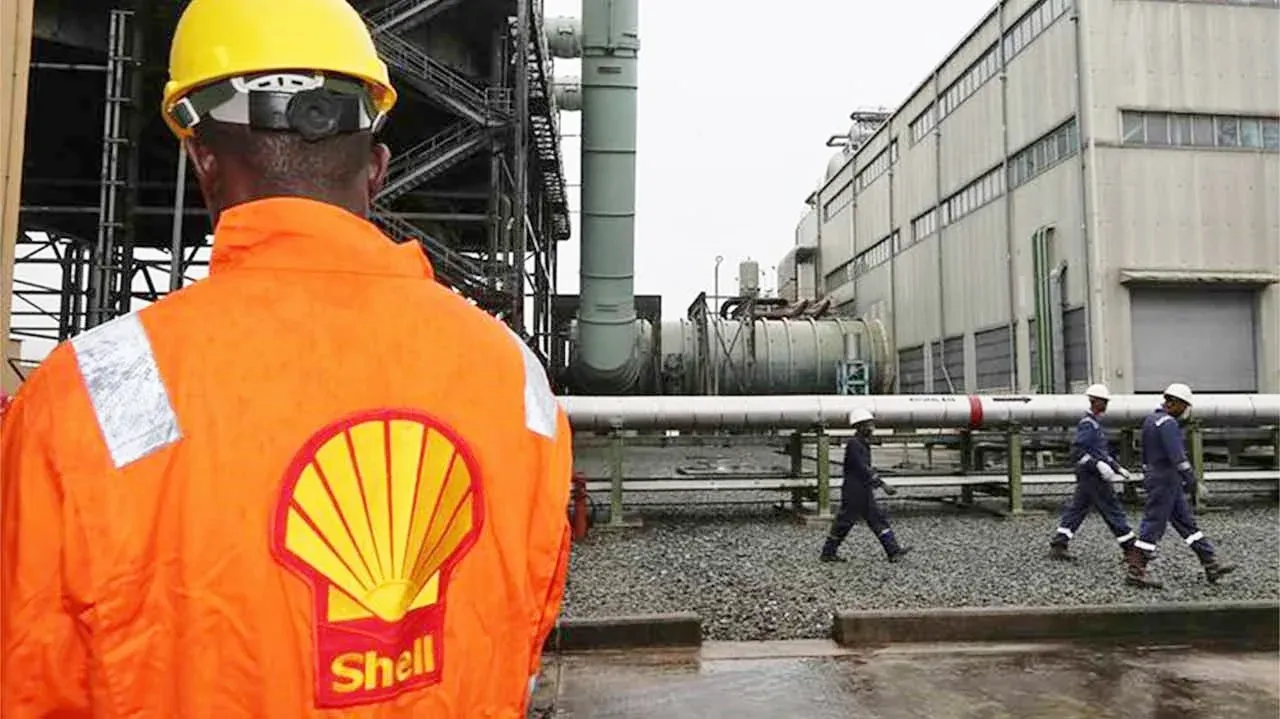
In addition, Nigeria has improved the regulatory framework for the oil sector. It has tried to streamline the approval process for oil and gas projects. In recent years, the passage of the Petroleum Industry Bill has provided greater clarity and security for investors in the sector, further encouraging the development of deep-water projects like Bonga North.
Challenges and Risks
While the Bonga North project promises significant gains, it has its challenges as well. Exploration for oil in deep waters is usually very expensive and technically demanding and tends to shoot up beyond projections. Additionally, the volatility of oil prices globally means that any investment of such magnitude carries with it the uncertainty of profitability.
These would involve environmental concerns relating to the likelihood of oil spillage and interference with marine systems. Shell, in collaboration with its partners, must ensure its operations are of the highest level of environmental responsibility, being in compliance both locally and internationally.
The $5 billion commitment towards the Bonga North deep-water oil development sets a significant benchmark in Nigeria's oil sector. Shell and its partners are leading the way, leveraging advanced technology, fostering international partnerships, and focusing on economic sustainability to ensure that Nigeria's long-term oil production is stable. The project holds great promise as it promises tremendous economic benefits for the country, while positioning Nigeria as a strategic player in the global energy arena.
FAQs
What is the Bonga North deep-water project?
The Bonga North deep-water project is an oil and gas development off the coast of Nigeria. It will increase oil production from the Bonga oil field, using advanced technology to enhance recovery and extend the life of the facility.
Who are the partners involved in the Bonga North project?
Shell is the operator, while ExxonMobil, TotalEnergies, and the Nigerian National Petroleum Corporation (NNPC) are key partners in the development of the Bonga North deep-water project.
What are the expected benefits of the Bonga North project for Nigeria?
The project is going to bring great economic benefits: jobs, taxes, and the contribution to the foreign exchange reserve of Nigeria. It will help maintain oil production in the country.
What measures does Shell intend to undertake to reduce the environmental impact in the Bonga North project?
Shell and its partners are committed to environmentally responsible practices, utilizing advanced subsea equipment, carbon capture technology, and a host of efforts to reduce the carbon footprints of the operations.
What potential challenges might impact the Bonga North project?
Challenges may include high costliness, technical complexity, changing world oil prices, and probably environmental risks. Nevertheless, Shell and its partners will be managing those challenges while increasing operational efficiency.