Sharon Stone: A Stark Critique of America's Ignorance and Arrogance
Sharon Stone criticized the U.S. as being in a state of “ignorant, arrogant adolescence,” citing political naivety, lack of global awareness, and the need for men to actively combat violence against women.

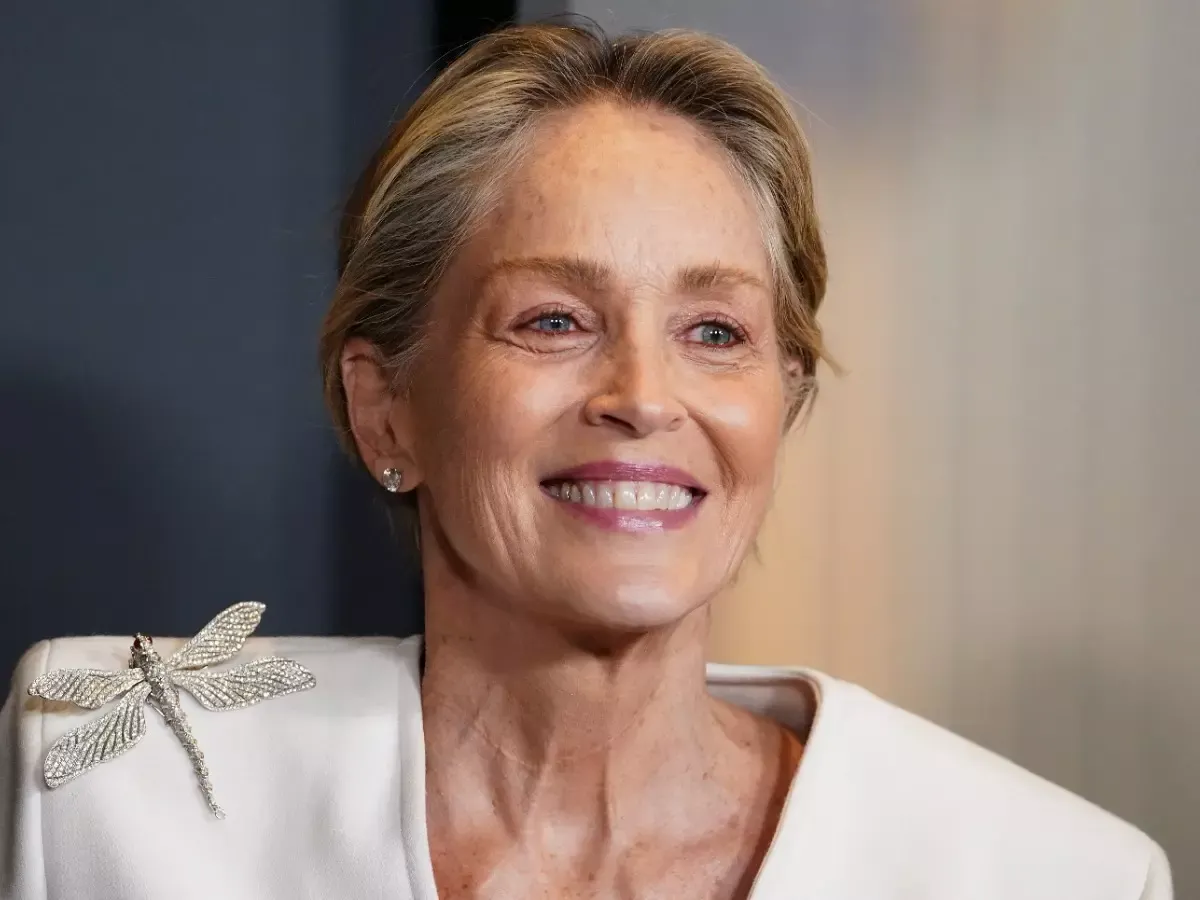
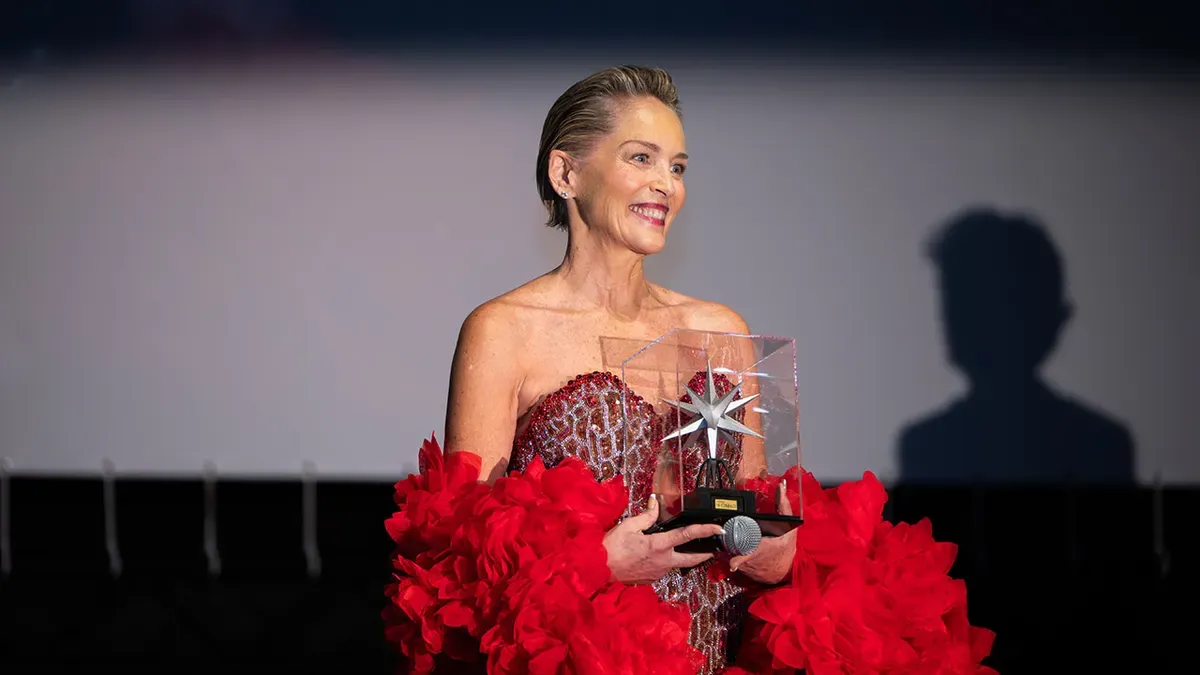
Sharon Stone, the actress who brought global fame with her stunning performances in "Basic Instinct" and "Casino", has been more than just a Hollywood star. She has had an unapologetic voice and intellect, using every platform to discuss issues beyond the silver screen. At the Torino Film Festival, where Stone was honored with a lifetime achievement award, she made a bold, thought-provoking declaration about the state of affairs in the United States-calling the country a "naive" and "arrogant adolescent." With her remarks, she challenged every aspect of American society and politics and its place globally, a perspective that does not resonate only with those in Hollywood.
The statement, delivered during a panel discussion on the International Day for the Elimination of Violence Against Women, touched on politics, education, and the role of the US in global conflicts. Stone's candid reflection on American culture and politics reveals a deeper concern about the nation's future, its values, and the global image it projects.
The State of American Adolescence: Naivety, Arrogance, and Ignorance
During the panel, Sharon Stone expressed her belief that the United States is currently experiencing a period of "ignorant, arrogant adolescence." Her words, which were laced with frustration and concern, were a direct response to the re-election of Donald Trump and the state of politics in America. Stone's comments about America's political landscape were blunt:
"We have to stop and think about who we choose for government," she said, referencing Trump's second term. "And if, in fact, we are actually choosing our government or if the government is choosing itself."
Her comments indicated a certain anguish at the extent of powers wielded by the elected political heads of this great nation, and a very good inference can be made regarding the low level of popular involvement in America in such elections. The criticism Stone spoke about wasn't simply based on a person or one party, but a comprehensive political culture that creates or enables such elements to gain significant power. She took time to record a media-driven political system with its attendant lack of real public discourse on the most essential issues facing the country.
A Global Perspective: Understanding Fascism and History
Stone, speaking in Italy, drew parallels between her America and the country she found herself in and asked those present to ponder the potential dangers of historical amnesia. "We experienced fascism in Italy. Italy knows about these things. You all know what goes around. You have all lived it," she said. And from where her nation is concerned, such experiences with fascism- specifically with Mussolini-haven't really faded away yet in their collective memory. As Stone draws this parallel, he warned that history could indeed repeat itself. Americans, being ignorant of their situation, are failing to notice signs of political extremism rising again, just as it had been in the past.
Stone did not just comment on the matter of American politics alone. She spoke on the subject of global fascism and authoritarianism by bringing to the fore the manner in which various nations, such as Italy, have had to deal with these challenges over time. It is often the case that a political system will change and alter in ways that come as a surprise to its people, particularly when its citizens are not paying attention or when crucial discussions cannot be had.
The Education Issue: Americans and the World
The second main point of Sharon Stone's criticism of American society was the ignorance and lack of education of the average American. She pointed out that a large percentage of the American population is insulated from the rest of the world, and this insulation creates a dangerous ignorance of the world beyond U.S. borders. "My country is in adolescence," she said, "Adolescence is very arrogant. Adolescence thinks it knows everything. Adolescence is naive and ignorant and arrogant. And we are in our ignorant, arrogant adolescence."

Stone emphasized that 80% of Americans do not have passports and, for this reason, are pretty removed from the rest of the world beyond the United States. This statistic speaks to an even broader issue: Americans, as Stone sees it, are failing to engage with global perspectives, and therefore cannot critically critique their own country's stance on the world stage. That isolation has far-reaching consequences, not merely political, but social, cultural, and economic, too. Without the experiences associated with traveling and exposure to other cultures, Americans are left with a narrow view of the world and, in some cases, an inflated sense of superiority.
Stone also attacks the American education system. She criticizes extraordinary naivety arising from a lack of proper education in both history and global affairs. Stone is very concerned about the American educational system because, without a solid foundation in each of the two issues-both domestic and international issues-it is impossible to make informed decisions about the future of the country.
The Importance of Allyship in Combatting Violence Against Women
While Sharon Stone's speech was mainly focused on politics and education, she also used the opportunity to talk about the burning issue of gender-based violence. She urged collective responsibility to end violence against women, insisting that this is not just a women's issue but a societal one. Stone said that men have a very important role in fighting violence, saying:
"Men must be very clear-minded, and they must know that your friends who are not good men are dangerous and violent.Her words called up men to stand up and confront what was toxic masculinity within their friendship circles, to work against how violence and abuse become norms. Stone's words dovetail with a wider movement on the part of Hollywood and others: this call for men to stop and confront behaviors and attitudes that perpetuate violence against women.
Stone also elaborated in her speech that violence against women can't be solved by mere empowerment or activism of women; men should become allies in the struggle for equality and safety. The same is reflected in the more recent emphasis on male allyship in the broader #MeToo movement, encouraging men to actively dismantle patriarchal structures and challenge harmful behavior.

The American Information Crisis: Alec Baldwin's ParallelAmerica's ignorance was also put into words at the Torino Film Festival, thanks to Stone, but also supported by actor Alec Baldwin. Just like Stone, he discussed the state of understanding amongst Americans on world matters at the festival. "Everything is a disaster here in the United States, Baldwin remarked, referring to America's relative ignorance on the subject.
"Americans are very uninformed about reality, what's really going on," Baldwin said. "With climate change, Ukraine, Israel – you name it. All the biggest topics in the world, Americans have an appetite for a little bit of information."
Baldwin's statement further underlines Stone's concerns about the public's disconnection from reality, especially when it comes to pressing international issues. The media landscape of the United States is usually disjointed and sensational rather than deep, nuanced reporting. This is why the public, generally, is not well-equipped to grasp the nuances of global politics, environmental issues, and social justice movements. Baldwin's reflection on the "appetite for a little bit of information" points to a larger problem: Americans are often content with surface-level knowledge, and this limits their ability to engage meaningfully with the world.
A Call for Change: What Can Be Done?
Sharon Stone's remarks at the Torino Film Festival were not just criticisms but a call to action. In her speech, she challenged not only Americans but also all global citizens to reassess their priorities and engage meaningfully with the world. The "ignorant, arrogant adolescence" she sees in America has to be addressed through increased commitments to education, empathy, and global engagement.
At the heart of her message is the need for people to confront their own biases, expand their horizons, and recognize the interconnectedness of the world. By understanding history, global politics, and the experiences of others, people can break down the walls that divide nations and individuals. Sharon Stone believes that this is essential not only for the U.S. but for the world as a whole. The challenges facing humanity – from climate change to geopolitical tensions – demand a more informed and unified approach. In conclusion, Stone's speech at the Torino Film Festival was a powerful reminder that in an increasingly interconnected world, ignorance is not just a personal failing – it's a global liability.
Her reflections on the adolescent state of America and the need for greater awareness and accountability are an urgent call for citizens to engage with the world in a more thoughtful and informed way. Only by acknowledging flaws in our own societies can we hope to build a better, more just future for all.