Sharjah Sets Record 2025 Budget at $11.4 Billion: A Comprehensive Overview
Sharjah's 2025 budget, approved by Ruler Dr. Sultan bin Mohammed Al Qasimi, sets a historic milestone at AED 42 billion ($11.4 billion). Prioritizing financial sustainability, social welfare, and vital resource management, the budget reflects robust growth and ambitious development goals.


Sharjah, one of the seven emirates of the United Arab Emirates (UAE), has unveiled its largest budget to date, with AED 42 billion ($11.4 billion) allocated for 2025. This unprecedented move reflects the emirate's ambition to achieve financial sustainability, enhance social welfare, and ensure the sustainability of essential resources such as energy, water, and food. Here's an in-depth look at the 2025 budget and its implications for Sharjah's development.
Key Features of the 2025 Budget
The 2025 budget introduces various strategic initiatives aimed at fostering growth and enhancing the quality of life for its 1.8 million residents.
Expenditure Breakdown: The budget outlines a 2 percent year-on-year increase in expenditure. Salaries and wages constitute 27 percent of the total budget, while operating expenses account for 23 percent.
Sector Allocations:
Infrastructure Sector: Dominating the budget, it accounts for 41 percent of total spending, up 7 percent from 2024.
Economic Development Sector: This sector secures 27 percent of the total budget, reflecting a strong focus on business and innovation.
Social Development Sector: Taking third place, it represents 22 percent of the budget, underlining Sharjah’s commitment to social welfare programs.
Focus Areas and Strategic Goals
The budget emphasizes several critical areas for Sharjah's sustainable development:
Capital Projects: Almost 20 percent of the budget is allocated to infrastructure and developmental projects, signaling a robust investment in long-term assets.
Loan Repayment and Interest: 16 percent of the budget is reserved for loan obligations, marking a 2 percent rise from the previous year.
Support and Aid Programs: Representing 12 percent of the budget, these programs aim to uplift vulnerable sections of society.
Revenue Projections
The 2025 budget also highlights a significant increase in public revenues, projected to rise by 8 percent year-on-year.
Operating Revenues: Expected to constitute 74 percent of the total revenue, a remarkable 16 percent annual increase.
Tax Revenues: Anticipated to rise by 15 percent, making up 10 percent of the total revenue.
Capital Revenues: Representing 10 percent of total income, this indicates sustained growth in investments.
Customs Revenues: Expected to make up 4 percent of total revenues.
Oil and Gas Revenues: Despite the UAE's diversification efforts, this sector will contribute 2 percent to total revenues.
Implications for Key Sectors
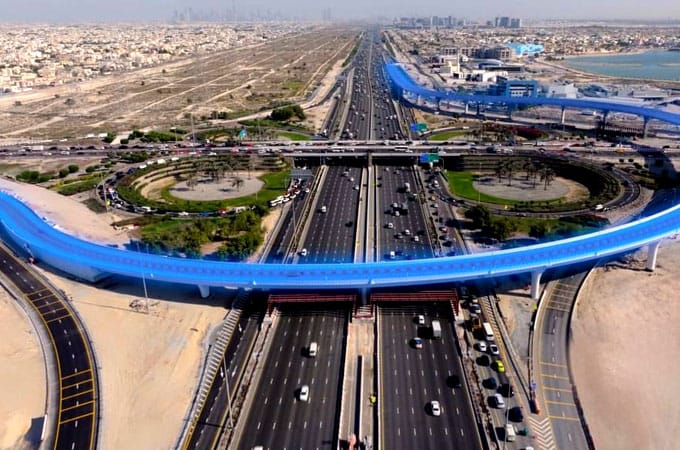
Infrastructure Development: With a substantial 41 percent allocation, the budget reinforces Sharjah’s commitment to building and maintaining robust infrastructure. This includes transportation, utilities, and public facilities, crucial for economic and social growth.
Economic Growth: The 27 percent allocation to the economic development sector ensures continued support for businesses, innovation, and diversification.
Social Welfare: The 22 percent share dedicated to social programs addresses housing, healthcare, and education needs, enhancing residents' quality of life.
Challenges and Opportunities
Challenges:
Balancing high expenditure with revenue generation could pose a challenge, particularly with global economic uncertainties.
Managing the rising costs of loan repayments and interest might strain future budgets.
Opportunities:
The budget’s focus on infrastructure and economic development presents opportunities for private sector participation and foreign investment.
The increase in tax and operating revenues reflects growing economic activity, signaling a positive outlook.
Vision for the Future
Sharjah's 2025 budget aligns with the UAE’s broader vision for sustainable development and economic diversification. By prioritizing infrastructure, social welfare, and economic growth, Sharjah is set to reinforce its position as a leading emirate in the Gulf region.
The budget reflects a balanced approach to addressing current needs while paving the way for long-term growth. With continued investments in critical sectors, Sharjah aims to enhance its competitiveness and resilience in an ever-changing global landscape.
FAQs
What makes Sharjah’s 2025 budget significant?
Sharjah’s 2025 budget is the largest in its history, reflecting a 2 percent increase in expenditure year-on-year. It prioritizes infrastructure, economic growth, and social welfare while ensuring financial sustainability.
How much of the budget is allocated to infrastructure development?
A significant 41 percent of the total budget is allocated to infrastructure development, marking a 7 percent increase from the previous year.
What are the primary sources of revenue for Sharjah in 2025?
Operating revenues are projected to constitute 74 percent of the total, followed by tax revenues (10 percent), capital revenues (10 percent), customs revenues (4 percent), and oil and gas revenues (2 percent).
How does the 2025 budget address loan repayment?
Sixteen percent of the budget is earmarked for loan repayment and interest, marking a 2 percent increase compared to the previous year.
How does the budget benefit Sharjah residents?
The budget enhances residents' quality of life through investments in infrastructure, economic growth, and social welfare programs, including housing, healthcare, and education initiatives.