Shaping the Future of Cybersecurity and AI: Meet Omkar Reddy Polu

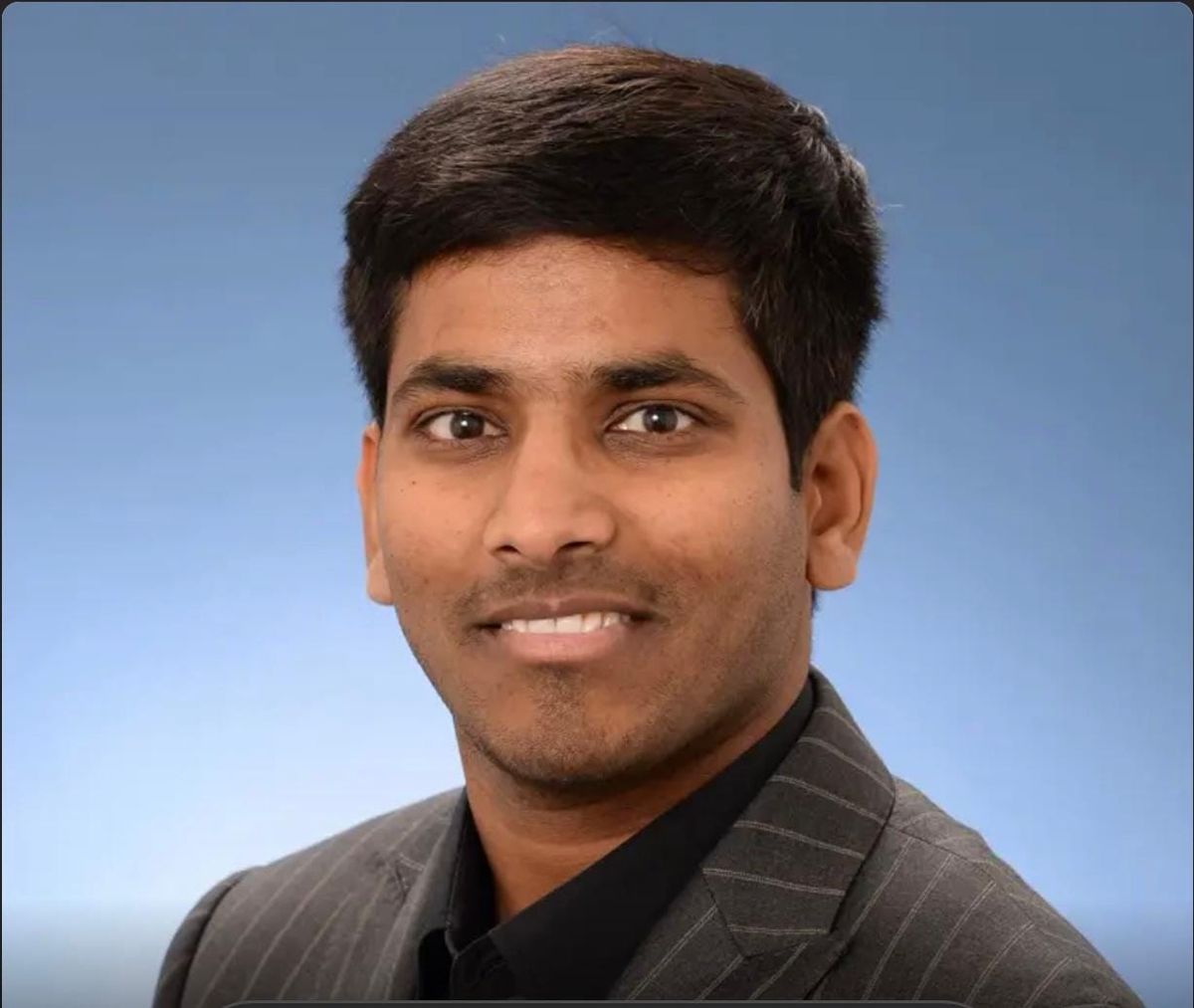
In an era where data breaches and digital compliance challenges dominate headlines, leaders like Omkar Reddy Polu are quietly building the backbone of global digital trust. A distinguished technology architect and thought leader, Omkar's work in cybersecurity, AI-driven compliance frameworks, and cross-sector data innovation has impacted industries from energy and healthcare to finance and public infrastructure.
With a passion for scalable solutions and an instinct for emerging risks, he has designed frameworks that not only meet today's challenges but anticipate tomorrow’s.
We sat down with Omkar for a wide-ranging conversation on his journey, contributions, and vision for the future.
Q: Tell us about your background. How did you find your way into the world of cybersecurity and AI?
Omkar: I began as a data engineer, but very early on I recognized the importance of proactive cybersecurity and compliance design — especially in highly regulated industries. Over time, I transitioned into building enterprise-wide governance frameworks, helping organizations safeguard their operations across cloud platforms while also staying audit-ready. Today, I lead initiatives that have a direct impact on millions of users and global data pipelines.
Q: Can you walk us through some of your most impactful projects?
One of the most transformative projects I led was the development of a unified regulatory compliance engine for a Fortune 100 company. We integrated SOX, GDPR, NERC, and internal control frameworks across 12 business units into a single metadata-driven platform. The result: an 80% reduction in remediation time and over $120 million saved in potential compliance penalties.
In another project, I helped design an AI-driven risk analytics model that became a reusable framework adopted by other sectors including financial services.
Q: Your work seems to span both applied innovation and academic research. How do you balance the two?
I believe innovation must bridge both worlds. I’ve authored and co-authored several peer-reviewed papers in journals such as:
International Journal of Cyber Security – AI for Federated Anomaly Detection
Cureus – Blockchain for Securing Healthcare Systems and ML for OR Optimization
International Journal of Cloud Computing – Prognostic Failure Analysis for Cloud Resilience
These aren’t theoretical experiments — they’re based on frameworks I’ve implemented in real-world settings. The feedback loop between practice and research has been key to scaling impact.
Q: What kind of recognition have you received for your contributions?
I’ve had the honor of being featured in industry platforms like MSN, India.com and Financial Express, where my work was profiled for its global impact on enterprise risk and data systems. More recently, your team at The UBJ reaching out for this feature — without any outreach or promotion from my side — means a lot. It tells me the work is speaking for itself.
I also serve on editorial boards and peer review panels, helping shape the discourse on AI compliance and resilient architectures.
Q: What makes your work unique in a crowded tech landscape?
I focus heavily on reusability and scalability. Too many solutions are built for single use cases. My goal is to design frameworks that can be applied across companies, verticals, and even continents — without rewriting everything from scratch. That mindset has helped me deliver sustainable value, not just technical fixes.
Q: What do you think are the top challenges facing cybersecurity today?
Two things: First, the explosion of multi-cloud environments — it’s easy to lose visibility. Second, the rise of AI models that create new attack surfaces. We’re heading into an era where governance has to be adaptive, not just reactive. That’s what I’m currently focused on: embedding predictive intelligence and compliance into the foundation of systems, not as an afterthought.
Q: What advice would you give to aspiring professionals who want to build a globally recognized profile?
Solve real problems. Share your knowledge. Stay consistent in your message. Impact is what opens doors — awards and recognition follow when your work creates meaningful change. I also encourage young professionals to contribute to open-source projects, speak at niche forums, and publish when they can.
Final Thoughts
Omkar Reddy Polu isn’t just building systems — he’s building trust in an increasingly complex digital world. Whether through research or real-world innovation, his work is a blueprint for what modern technology leadership should look like: ethical, scalable, and impactful.