Seven States Expand Abortion Protections as Florida Ballot Measure Fails

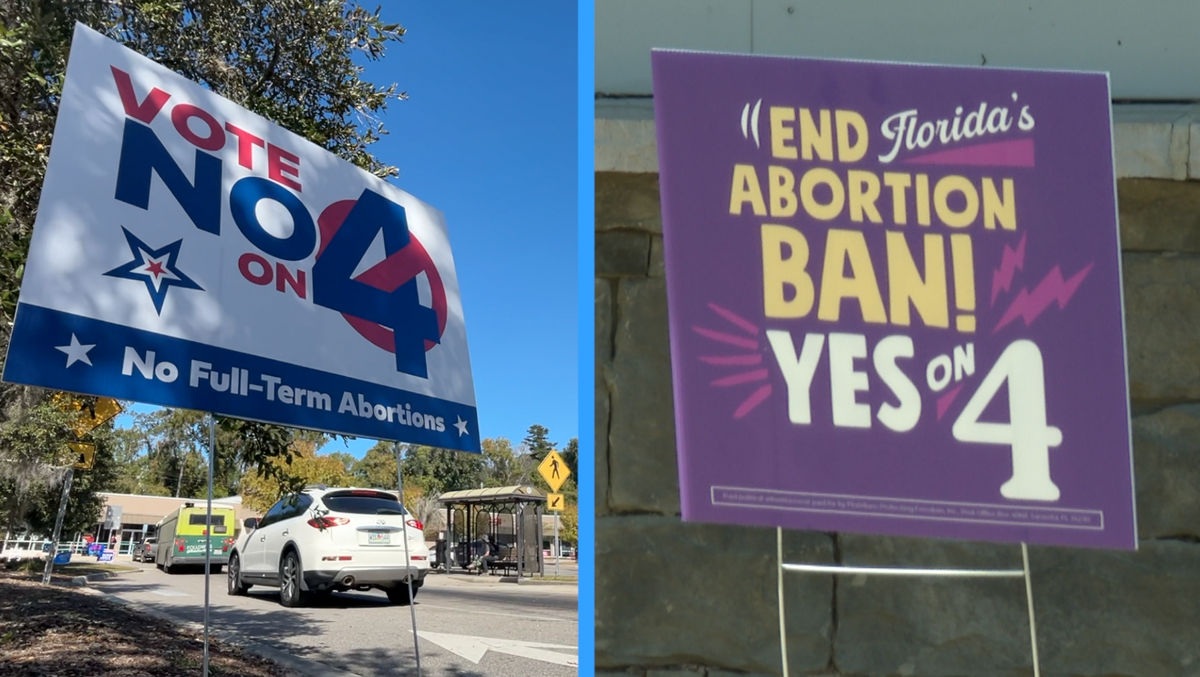
In a pivotal election, voters in seven states approved measures aimed at protecting or expanding abortion rights, while efforts to restore abortion protections in Florida, Montana, and Nebraska fell short. Abortion access was a central issue in the 2024 election, galvanizing many voters across the country.
Key States and Results:
- Florida: A proposed amendment that would have allowed abortion until fetal viability (around 24 weeks) was narrowly defeated, failing to secure the 60% threshold needed for passage. Despite efforts by campaigners to counter the state’s strict abortion law, which bans abortion after six weeks, voters ultimately rejected the measure. Republican Governor Ron DeSantis strongly opposed the amendment, using state resources to push for a "no" vote.
- Missouri: Voters approved an amendment aimed at overturning a near-total abortion ban. This was seen as a significant win, as Missouri was one of the first states to enact a total abortion ban following the Supreme Court's 2022 decision overturning Roe v. Wade.
- Arizona: A proposal to protect the right to abortion until fetal viability was passed by over 60% of voters, extending abortion access from the current limit of 15 weeks to 24 weeks. This move was widely seen as a victory for abortion rights in a state that had seen significant challenges to reproductive freedom since the Supreme Court’s ruling.
- Montana: Voters approved an amendment to enshrine abortion protections in the state constitution, ensuring access to the procedure until fetal viability. This was seen as a crucial step in preserving reproductive rights in a state where access had become increasingly restricted.
- Nebraska: Voters were presented with two conflicting abortion proposals. One measure, which sought to enshrine the state’s current 12-week abortion ban, passed with some exceptions, including in cases of incest, rape, and threats to the life of the pregnant person. The other measure, aimed at restoring broader abortion rights, was defeated.
- South Dakota: A state with some of the strictest abortion laws, South Dakota voters rejected a proposal to establish a constitutional right to abortion, solidifying the state’s restrictive stance on the procedure.
- Maryland and Colorado: Both states, where abortion is currently legal, approved measures to enshrine abortion rights into their state constitutions. Colorado’s measure not only protects abortion access but also expands coverage, ensuring that the procedure will be included under government health insurance plans.
- Nevada: Voters in Nevada approved a measure that would establish abortion as a right in the state constitution, extending access to abortion until the 24th week of pregnancy, with exceptions to protect the health of the mother. This measure will require a second round of approval in two years to be fully enacted.
- New York: Voters approved an amendment to prevent discrimination based on pregnancy or reproductive health, further solidifying protections for individuals seeking abortion or reproductive health services in the state.
National Context and the Aftermath:
This election marked the first presidential contest since the Supreme Court’s 2022 ruling that overturned Roe v. Wade, which had guaranteed a federal right to abortion. Following this landmark decision, many states moved to implement abortion bans or severe restrictions, leading to a patchwork of access across the country. The passage of these state-level measures reflects ongoing efforts to protect and expand abortion rights in the wake of the Court’s decision.
Vice President Kamala Harris, a strong advocate for reproductive rights, leaned into the abortion issue throughout her campaign, highlighting its importance to voters, especially women. In states like Arizona, Nebraska, and Florida, the results show the deep divides and the high stakes of the abortion debate in American politics.
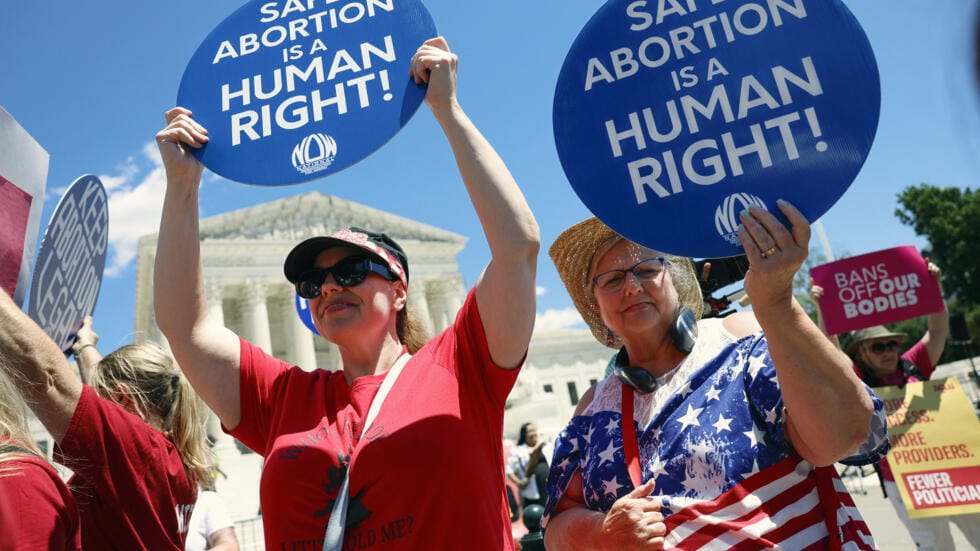
While some states, such as South Dakota and Florida, have rejected efforts to protect or expand abortion rights, the victories in other states, particularly Arizona, Colorado, and Montana, show a trend toward safeguarding abortion access at the state level. These measures also represent a powerful statement by voters in response to the Supreme Court’s ruling and the broader national conversation about reproductive rights.
Read More: Election 2024 Live Updates: Harris to Address Nation Following Trump’s Projected Win