Samsung's 2025 Revival: Banking on Nvidia to Lead the AI Boom
Samsung's 2025 outlook hinges on its collaboration with Nvidia, as the South Korean tech giant aims to recover from a $162-billion stock wipeout in 2024. Nvidia CEO Jensen Huang’s optimistic comments have rekindled investor confidence despite challenges in AI-driven memory technology.

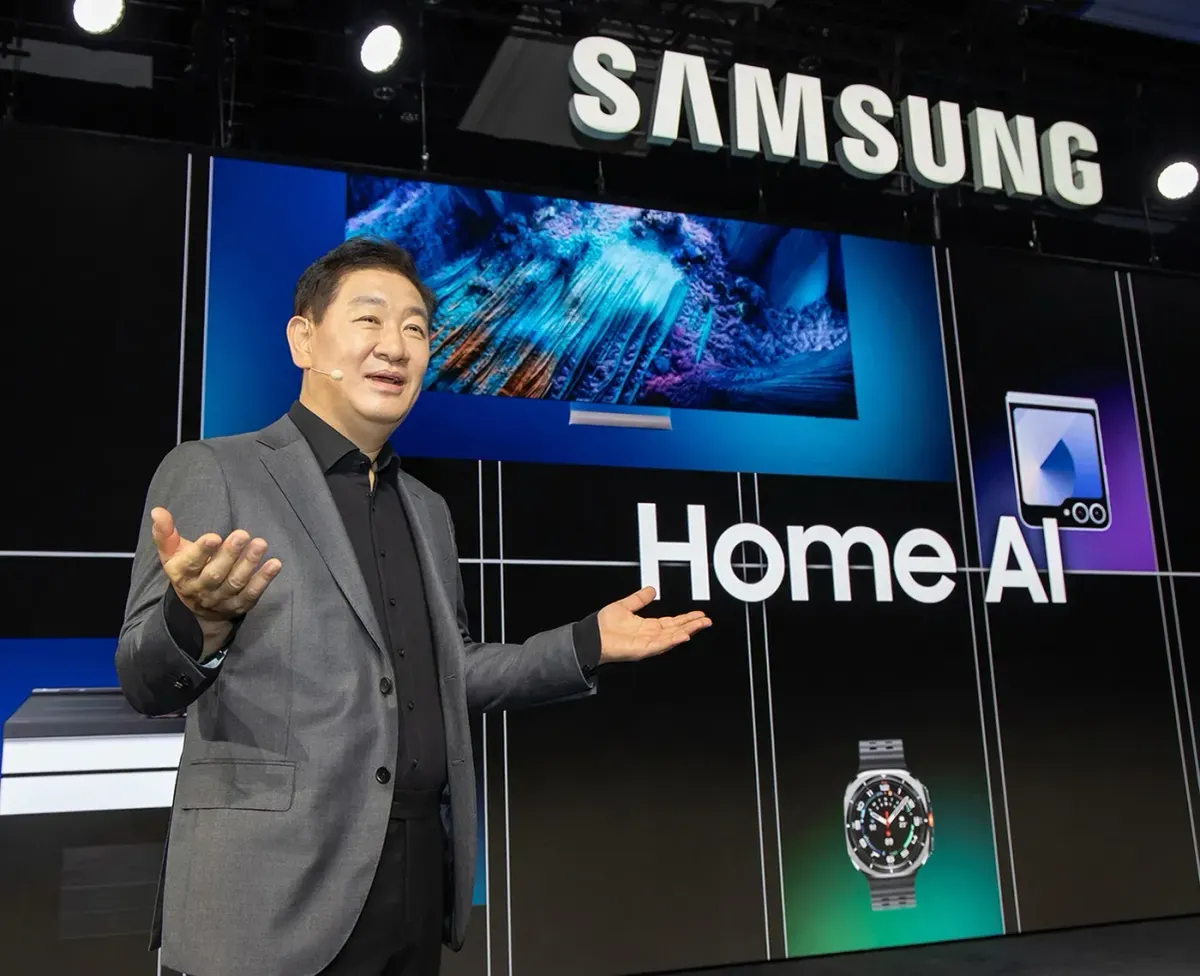
The global tech landscape is witnessing a transformative AI revolution, with companies like Nvidia leading the charge. For Samsung, 2025 is a pivotal year as it grapples with challenges from a $162-billion stock wipeout in 2024 and its struggle to capitalize on the AI-driven semiconductor market. Recent optimistic remarks from Nvidia CEO Jensen Huang have ignited hope, but the road ahead remains fraught with challenges.
Samsung's Troubled Past Year
2024 turned out to be a tough year for Samsung when its market capitalization plummeted drastically. The core reason behind this dramatic decline was its failure to capitalize on the AI boom, which made Nvidia and SK Hynix newly minted into astronomical proportions.
Decline in Memory Market
Samsung has been a dominant player in the memory market, which is one of the key pillars of its semiconductor business. However, a sharp decline in memory prices and weak demand has taken a heavy toll on its profitability. Its preliminary fourth-quarter operating profit of 6.5 trillion won ($4.47 billion) was lower than market estimates, further exacerbating investor concerns.
Slipping Behind in High-Bandwidth Memory (HBM)
HBM technology is now essential to AI-driven data centers. While Samsung has the commanding lead in conventional memory markets, it hasn't been able to keep pace with Nvidia's highly demanding requirements on HBM.
Rival SK Hynix, however, gained the lead by becoming Nvidia's biggest supplier for the next generation of memory.
The Nvidia Factor
Nvidia's chips are at the heart of large AI models and thus require HBM technology. The more Nvidia extends its AI leadership, the more it relies on high-performance HBM suppliers.
Samsung and Jensen Huang
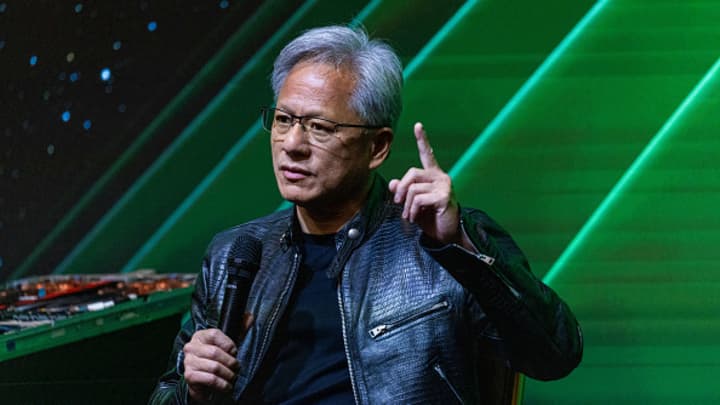
While Samsung has not exactly been on a winning streak lately, Jensen Huang seems to have finally given Samsung hope. He says he is "absolutely" sure that Samsung will be able to redesign its HBM to fit Nvidia's bill, much like the passage of time.
Market Reaction
Huang's endorsement led to a modest 1.7% increase in Samsung's stock in January. While this represents renewed investor confidence, it further underscores how much of Samsung's success in 2025 is tied to Nvidia's validation of its HBM products.
Strategic Moves of Samsung
Re-designing HBM
Samsung's way to Nvidia qualification requires redesigning its HBM technology to overcome power consumption and heat management issues. This process, though technically complex and time-consuming, is necessary for Samsung to regain its competitive edge.
Changing Priorities
According to MS Hwang of Counterpoint Research, Samsung is changing its focus from chip size or cost to performance metrics such as energy efficiency. This is a global trend in semiconductor innovation.
Challenges and Speculation
Nvidia's Intentions
According to analysts such as Kazunori Ito, Nvidia's backing of Samsung might also have strategic value, like gaining pricing power over existing HBM suppliers such as SK Hynix.
Timeline Ambiguity
Though optimism from Huang is good news, the absence of a timeline for the redesign and certification of Samsung brings ambiguity. Samsung needs to hurry up to avoid losing further ground in the cutthroat semiconductor environment.
2025 and Beyond
If Samsung manages to secure Nvidia's qualification, it will be a great chance for Samsung to regain its lost market capitalization. However, if it fails to get into Nvidia's qualification, it may worsen Samsung's dependency on its PC manufacturing business. Its long-term negative implications may pose severe threats to the semiconductor division and the overall business strategy pursued by the Samsung company.
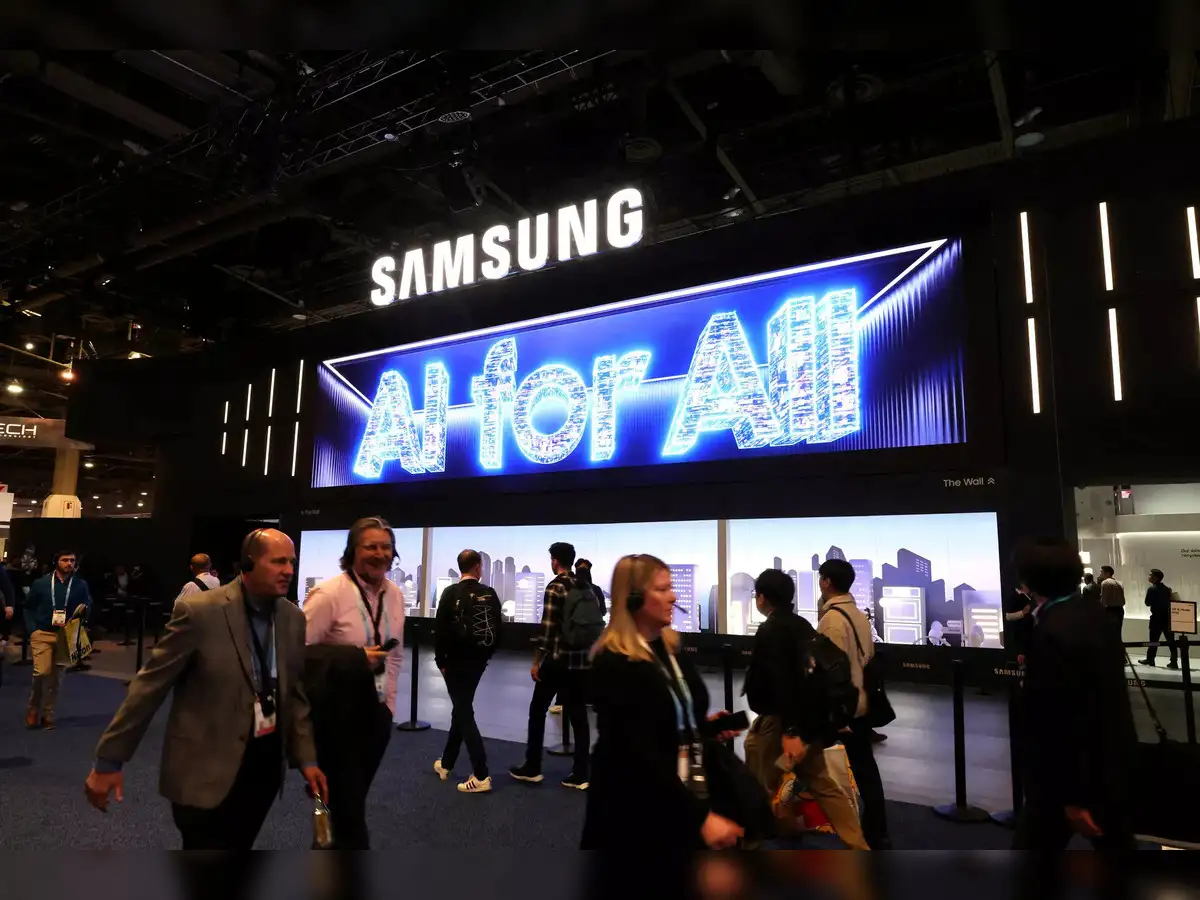
Samsung’s journey to recovery in 2025 hinges on its ability to meet Nvidia’s HBM standards and capitalize on the AI revolution. While challenges remain, the optimistic outlook from Nvidia’s CEO provides a foundation for hope. The coming months will be critical as Samsung navigates this transformative phase.
FAQ Section
Why did Samsung experience a $162-billion stock wipeout in 2024?
Samsung's stock fell in 2024 mainly because the company failed to take advantage of the AI-driven semiconductor boom, besides facing issues in the memory market and stiff competition from rivals such as SK Hynix.
What is high-bandwidth memory (HBM), and why is it important?
HBM is a next-generation memory technology that is necessary for powering AI data centers. It provides superior performance and energy efficiency compared to traditional memory, which makes it essential for training large AI models.
How has Nvidia impacted Samsung's 2025 prospects?
Optimistic comments from Nvidia CEO Jensen Huang on the possibility of Samsung redesigning its HBM have lifted investor sentiment, with the latter playing a key role in Samsung's success.
What are the main issues for Samsung in redesigning its HBM?
Power consumption and heat management issues have to be addressed in Samsung's HBM design, a very complex and time-consuming process that may decide its future competitiveness.
How is the outlook for Samsung's semiconductor division?
If Samsung finally succeeds in receiving certification from Nvidia, it shall regain its market leadership position in the AI-driven memory market. Otherwise, it may incur long-term difficulties with its semiconductor business.