Russia Embraces Cryptocurrencies in International Trade Amid Sanctions
Russian companies have started using Bitcoin and other cryptocurrencies in international trade to navigate Western sanctions, Finance Minister Anton Siluanov announced. This strategic shift highlights cryptocurrency’s growing role in Russia’s economy.

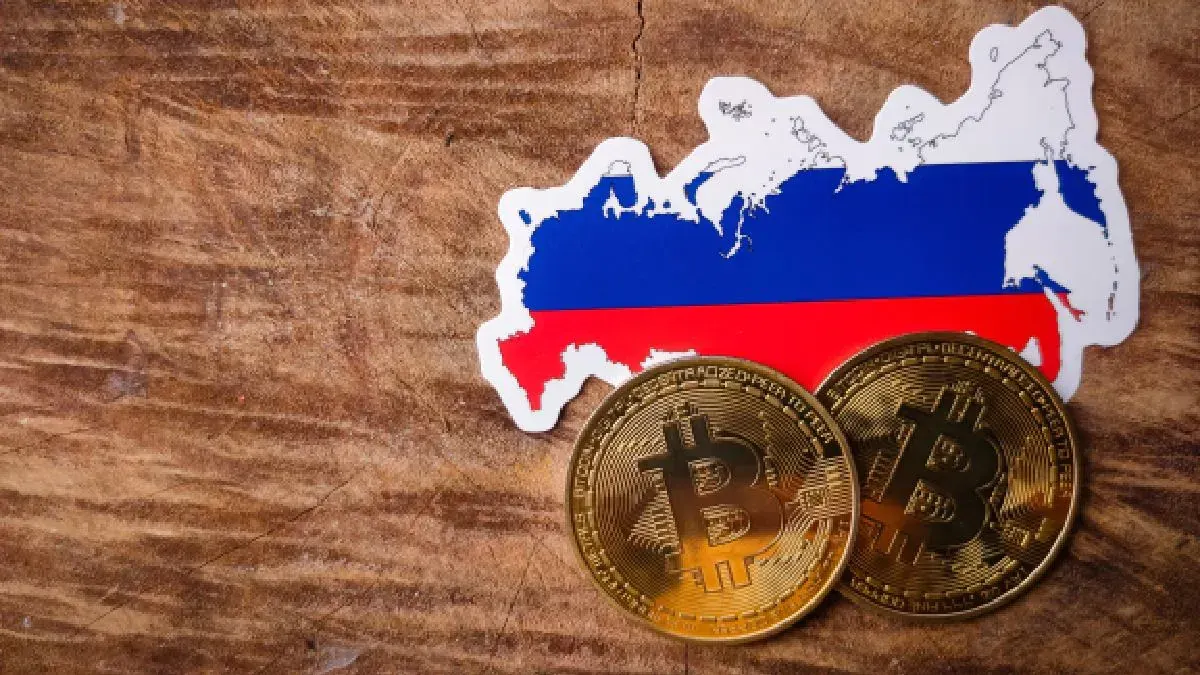
On December 25, Russian Finance Minister Anton Siluanov revealed that the country has begun utilizing Bitcoin and other cryptocurrencies for foreign trade transactions. This move comes as part of a broader strategy to counteract the impacts of Western sanctions, which have significantly complicated trade with major partners such as China and Turkey.
Sanctions and Economic Adaptation
Western sanctions have placed immense pressure on Russia’s financial systems, limiting access to traditional banking and trade mechanisms. These sanctions, coupled with the cautious approach of international banks wary of regulatory scrutiny, have driven Russia to explore alternative solutions. Cryptocurrencies, with their decentralized and borderless nature, have emerged as a practical tool to facilitate international payments.
In response, the Russian government has implemented legislative changes allowing cryptocurrencies to be used for foreign trade. This includes the legalization of cryptocurrency mining within Russia, a move that positions the country as one of the global leaders in Bitcoin mining. The mined cryptocurrencies are now being utilized for international transactions, marking a significant shift in Russia’s economic strategy.
Bitcoin in Russian Trade
Finance Minister Siluanov, speaking on Russia 24 television, confirmed that Bitcoin and other digital currencies are being actively used in foreign trade. “As part of the experimental regime, it is possible to use bitcoins, which we had mined here in Russia (in foreign trade transactions),” he stated. Siluanov emphasized that these transactions are not just theoretical but are already occurring, with plans to expand their scope in the coming year.
A Step Toward Financial Sovereignty
Russia’s adoption of cryptocurrencies also aligns with President Vladimir Putin’s recent remarks criticizing the politicization of the U.S. dollar. According to Putin, the current U.S. administration’s use of the dollar as a political tool is undermining its role as the world’s reserve currency. He pointed to Bitcoin as an alternative asset, highlighting its potential to operate free from the control of any single nation.
This endorsement from the highest level of Russian leadership underscores the country’s commitment to developing its cryptocurrency infrastructure. By embracing Bitcoin and other digital currencies, Russia aims to reduce its reliance on traditional financial systems and establish greater economic sovereignty.
Challenges and Opportunities
While the use of cryptocurrencies offers several advantages, it is not without challenges. Regulatory uncertainty, price volatility, and the risk of cyberattacks are significant concerns that Russia will need to address. Moreover, the global perception of cryptocurrencies as a tool for illicit activities could complicate their integration into mainstream trade.
Despite these challenges, Russia’s pivot toward cryptocurrencies represents a bold and innovative approach to navigating economic restrictions. By leveraging its robust cryptocurrency mining capabilities, the country is positioning itself as a leader in the emerging digital economy.
Future Outlook
Looking ahead, the Russian government plans to expand the use of cryptocurrencies in international trade, with an emphasis on legal and secure frameworks. Siluanov expressed confidence that this trend will continue to grow, predicting a broader adoption of digital currencies for global payments in the near future.
As more countries explore alternative financial systems, Russia’s experience could serve as a blueprint for leveraging cryptocurrencies in international trade. This development not only highlights the resilience of Russia’s economy but also signals a potential shift in the global financial landscape.
FAQ
Why is Russia using cryptocurrencies for international trade?
Russia is using cryptocurrencies like Bitcoin to navigate Western sanctions, which have restricted traditional financial and trade mechanisms. Cryptocurrencies provide a decentralized and flexible alternative for international transactions.
How does Bitcoin mining play a role in Russia's strategy?
Russia, a global leader in Bitcoin mining, leverages its domestically mined cryptocurrencies for foreign trade. This ensures a steady supply of digital assets for international transactions.
What challenges does Russia face in using cryptocurrencies?
Key challenges include regulatory uncertainties, price volatility of cryptocurrencies, cybersecurity risks, and global skepticism about the legitimacy of digital currencies.
What are the benefits of using cryptocurrencies in trade for Russia?
Cryptocurrencies offer Russia an alternative to traditional banking systems, reducing reliance on the U.S. dollar and enabling transactions unaffected by international sanctions.
Does Russia plan to expand its use of cryptocurrencies?
Yes, Finance Minister Anton Siluanov has stated plans to expand and develop the use of cryptocurrencies in international payments, marking them as a key component of Russia’s future trade strategy.