Ridley Scott: The Cinematographer Visionary or a Filmmaker in Rush
“Having lots of cameras, I don’t think has made the films any better. It’s a bit rush, rush, rush. That’s changed in him,” John Mathieson critiques Ridley Scott’s evolving filmmaking style.

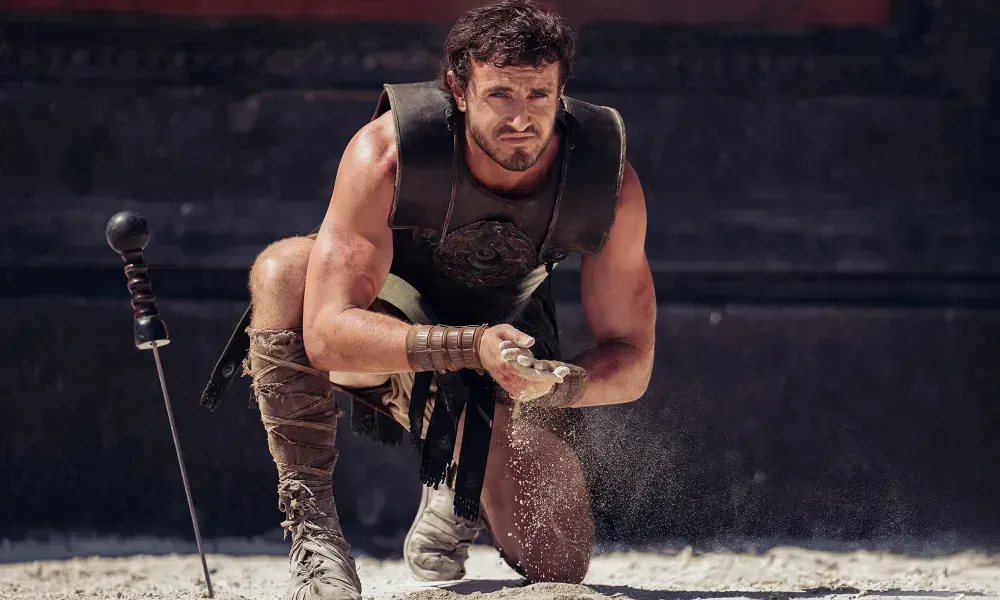
Sir Ridley Scott, the ace filmmaker who gave us masterpieces like "The Martian", "Blade Runner", and "Thelma & Louise", has been noted for years for his cinematic perfection and visual storytelling but has come under attack lately on his methodology of filmmaking. During a candid interview with "DocFix" podcast, John Mathieson, long-time cinematographer and also an Oscar nominee, accused Sir Ridley Scott of embracing a "lazy" and "rushed" methodology in the shoot of "Gladiator II".
This has led to discussions about how Scott's directing style is changing and whether his legend protects him from legitimate criticism.
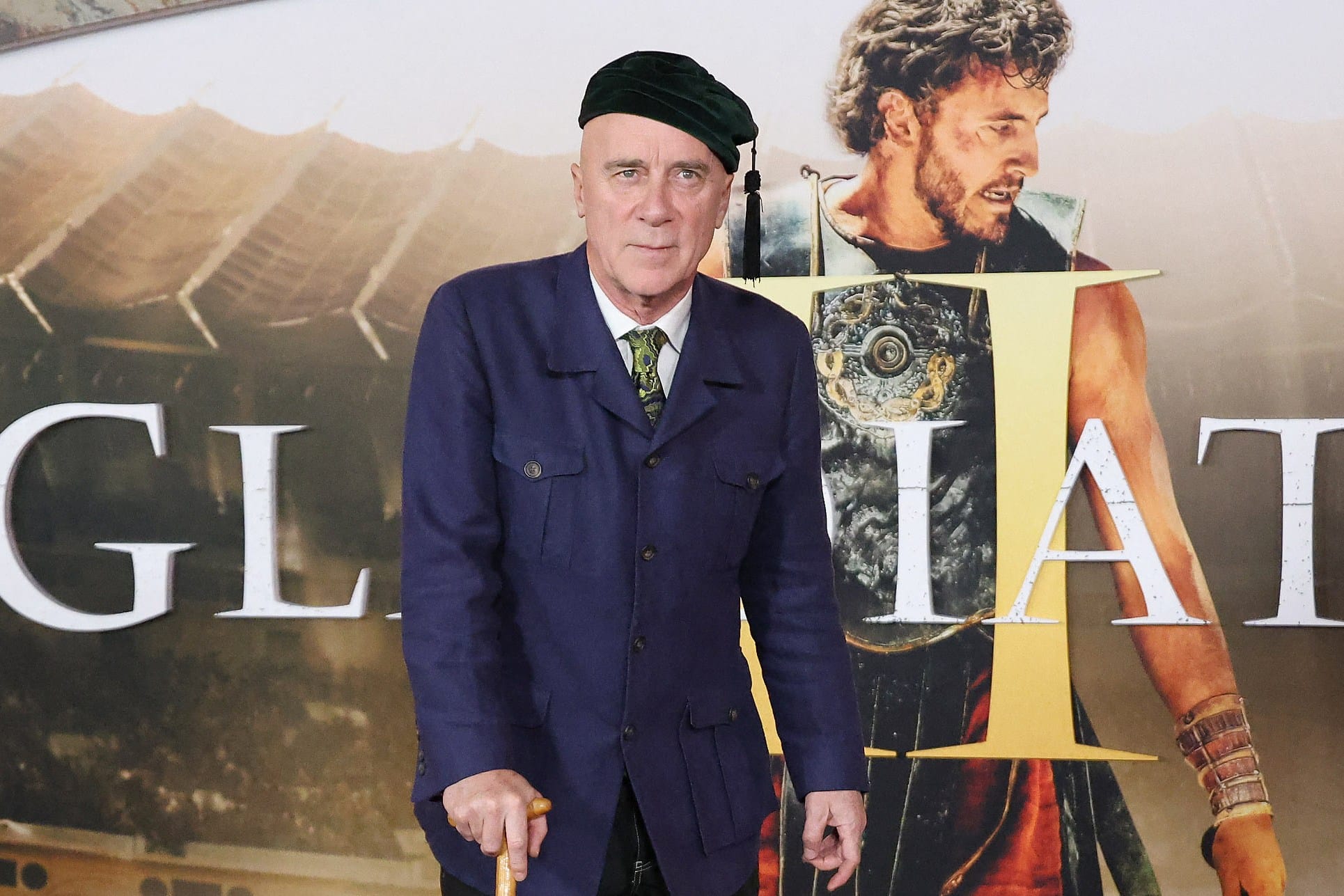
A Legendary Partnership Under Stress
John Mathieson has collaborated with Ridley Scott for decades on films including the original "Gladiator" (2000), for which he received an Academy Award nomination, and the sequel, "Gladiator II". This creative team, based on shared artistic vision, found themselves in a disagreement as Mathieson confided concerns over Scott's reliance on contemporary filmmaking practices focused more on efficiency than craft.
"It's really lazy," Mathieson said, decrying Scott's growing reliance on CGI to "clean up" shots in post-production. He bemoaned the way this has come to make a mockery of attention to detail on set, allowing microphones, cameras, and even shadows of boom mics to remain in shot during filming.
Ridley Scott's earlier work is known for its visual depth and artistic precision. Mathieson pointed to Scott's previous dedication to cinematic excellence through lighting and camera work.
"Look at his older films," Mathieson said. "Getting depth into things was very much part of the lighting. You can't do that with a lot of cameras, but he just wants to get it all done."
This change in approach stems partly from Scott’s preference for using multiple cameras to capture scenes from various angles simultaneously. While efficient, Mathieson argued it compromises the quality of lighting and composition, fundamental elements of visual storytelling.
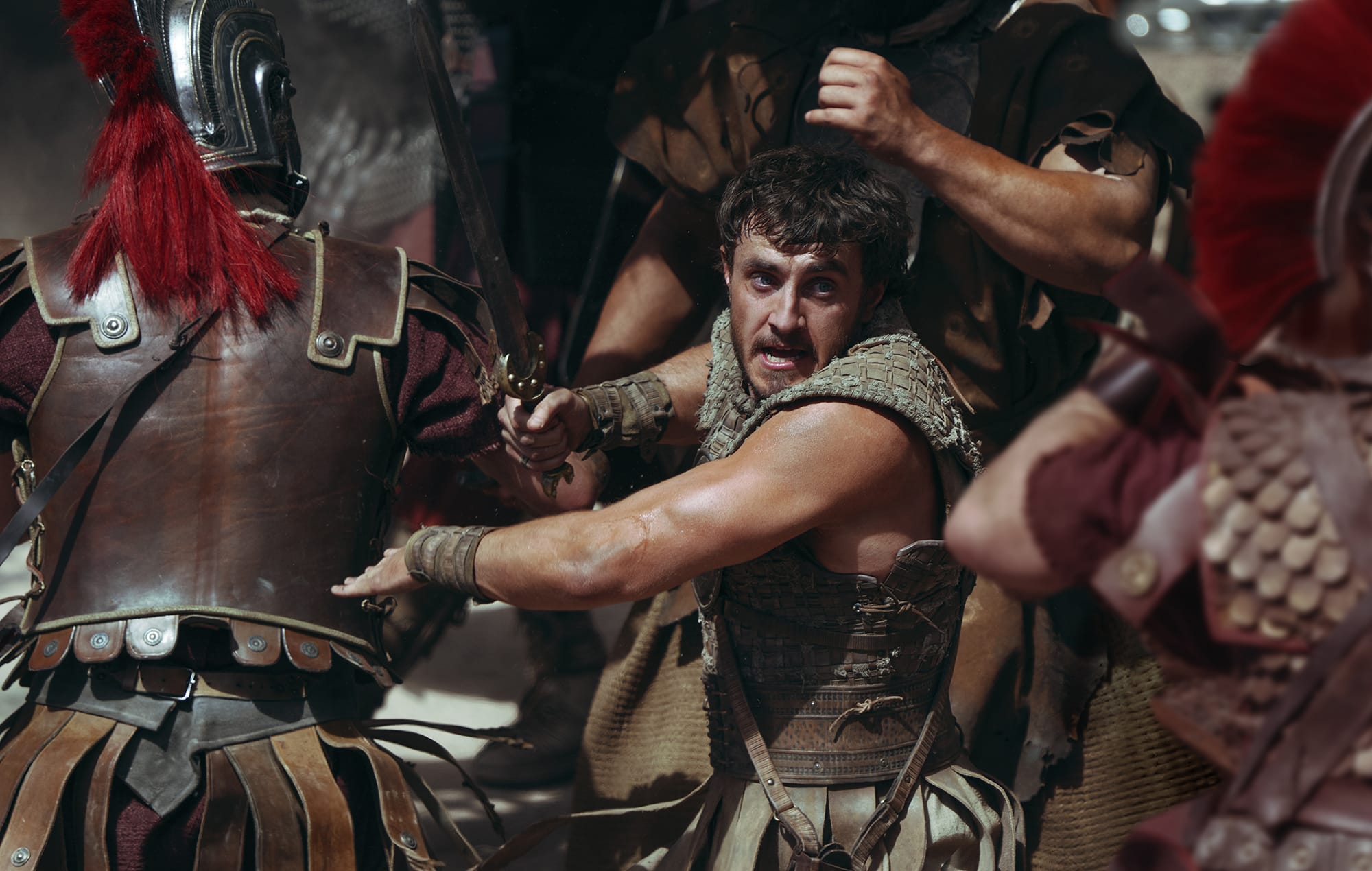
The Role of CGI in Modern Filmmaking
Mathieson's comments are indicative of a larger debate within film circles about the role that CGI and digital technology must play. While these tools make available to filmmakers possibilities hitherto unknown, others argue that overreliance can dilute the artistic integrity of a film.
By "cleaning up" imperfections in post-production, Scott risks losing the raw authenticity that characterized his earlier works. Mathieson described the process as akin to filling a supermarket trolley with random items and sorting them out later, a stark contrast to his metaphor of being "a cook preparing something wonderful in my kitchen."
The production of "Gladiator II" had its unique challenges that may have forced Scott to change his approach. The movie began shooting in June 2023 and concluded in January 2024 after a five-month break during the Hollywood strikes. This shorter schedule would have necessitated Scott to be more rushed in his approach to meet the deadlines.
The sequel, with Paul Mescal as Lucius and Denzel Washington, has already generated significant buzz for its ambitious scale and storytelling. But questions linger whether the rushed production affected the overall quality of the film.
Ridley Scott's legacy as a director is undeniable. With four Academy Award nominations and over five decades of experience, he has always been at the forefront of cinematic storytelling. Yet, as Mathieson proposed, Scott's approach nowadays may indicate a change of priorities:
"Having lots of cameras, I don't think has made the films any better. It's a bit rush, rush, rush. That's changed in him."
Whereas Scott is able to move more aggressively, critics believe this creates a risk that his product will lose some of the emotional depth and technical polish developed in his previous work.
Audience Reactions vs. Industry Views
Despite the criticisms by Mathieson, Scott's movies continue to resonate well with audiences. He continues to excel at developing a good storyline and great visuals that create an outstanding world. The movie "Gladiator II" will attract viewers who were glued to the screen for its initial part twenty years ago.
However, the issues of Mathieson do bring one question into mind: Whether a director like Scott would take the pains that earned him great acclaim for a faster speed in filmmaking and greater efficiency?
Future in Scott's Film-Making
At 86, Sir Ridley Scott is far from slowing down. He has already hinted at what his next project will be and has proven that he has not lost his passion for filmmaking. However, as the industry evolves, so too must the methods and philosophies of its creators.
These statements of Mathieson were both criticism and encouragement for filmmakers in finding balance between technological advance and authenticity of artistic production. How Scott will manage is yet to be seen. He could either adapt himself or continue along his own course.
A Lasting Debate
In essence, the discussion spurred by Mathieson reflects an ongoing tension between traditional and innovative cinema. Amazing as are the tools technology delivers to filmmakers, risks they represent to the art and craft of great filmmaking can be just as perilous.
For Sir Ridley Scott, the debate over his "rushed" methods underscores a broader discussion about the future of storytelling in an industry increasingly shaped by efficiency and technology. Whether this evolution enhances or detracts from his legacy will ultimately be decided by the films he continues to create.