Pentagon Opens Review of Senator Kelly After Video Aimed at Troops

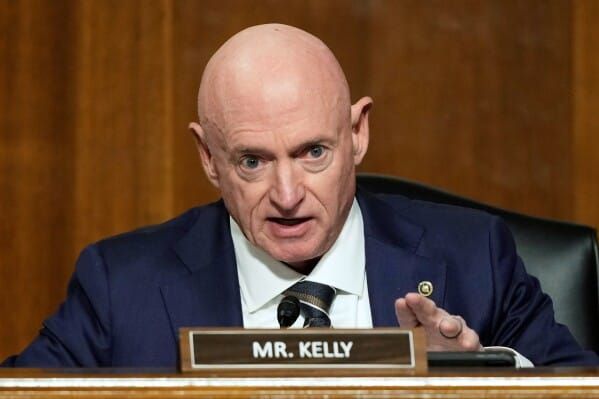
The Department of Defense has announced it is conducting a “thorough review” of Senator Mark Kelly — a retired Navy captain and current U.S. Senator — over a recent video in which he urged service members not to follow unlawful orders. This move marks a rare instance of the Pentagon invoking its military jurisdiction over a sitting legislator, underlining the high stakes of the broader confrontation between military-law discipline and political speech.
What Sparked the Review
Kelly appeared in a widely-circulated video alongside other lawmakers with military or intelligence backgrounds, telling active duty personnel: “Our laws are clear. You can refuse illegal orders.” The message came amid controversy over recent U.S. military operations and questions on the legality of certain orders.
Shortly after the video’s release, the Pentagon announced it had received “serious allegations of misconduct” against Kelly, and that the review may lead to administrative measures or even court-martial proceedings.
Defense Secretary Pete Hegseth publicly said Kelly’s conduct “brings discredit upon the armed forces.”
Why This Review is Focused on Kelly
The key reason the Pentagon is focusing on Kelly rather than the other lawmakers in the video: as a retired Navy officer who served more than 20 years, he remains subject to the Uniform Code of Military Justice (UCMJ). The UCMJ allows retired members to be recalled to active duty for misconduct and potentially court-martialed.
In contrast, the other participants — either active duty, former non-retired, or intelligence service — are not under the same UCMJ jurisdiction.
That one of the nation’s armed forces departments is reviewing a sitting U.S. Senator is itself extraordinary.
Kelly’s Response
Kelly responded via social media, stating that he had served a long career in the Navy and at NASA, and that he took his oath seriously. He wrote that the announcement of a review by the Pentagon’s statement was the first time he heard of any such allegations.
He added: “If this is meant to intimidate me and other members of Congress from doing our jobs and holding this administration accountable, it won’t work.”
Implications and Broader Context
This review touches on several major issues:
- Civil-military relations: The intersection of political speech by lawmakers who are former military officers and the jurisdiction of the military justice system represents a rare convergence of constitutional, legal and institutional boundaries.
- Free speech vs. discipline: The statement that “you can refuse illegal orders” runs up against the military’s presumption that orders are lawful and the need to maintain discipline and chain of command.
- Political dynamics: The incident occurs in a highly charged political environment, with the former President publicly calling the lawmakers’ actions “seditious behavior” and demanding consequences.
- Precedent: Cases of retired service members being held to UCMJ standards while serving in Congress are extremely rare, raising questions about legal precedent and the limits of military jurisdiction.
What Comes Next
The Pentagon’s review will determine whether to recall Kelly to active duty or pursue administrative sanctions. Meanwhile, the public and Congress will likely monitor how this process unfolds:
- Will Kelly face formal charges or have his rank/pension impacted?
- Will this review set a precedent for how former military personnel in elected office engage in political speech?
- How will this affect the relationship between elected lawmakers and the military establishment?
Conclusion
The decision by the Defense Department to open a formal review of Senator Kelly underscores the gravity of the moment. It highlights the fine line between constitutional rights of members of Congress and the unique obligations of those who once wore the uniform. Whether this review results in significant action or merely serves as a warning remains to be seen. What is clear is that the episode has thrust the seldom-seen overlap of military law, electoral politics and institutional accountability into the spotlight.