PBS Kids' 'Carl the Collector' Breaks New Ground with First Lead Character on the Autism Spectrum
PBS Kids' new star Carl – a raccoon with autism who collects everything from lint to plush toys – is making history as the network's first lead character on the spectrum.

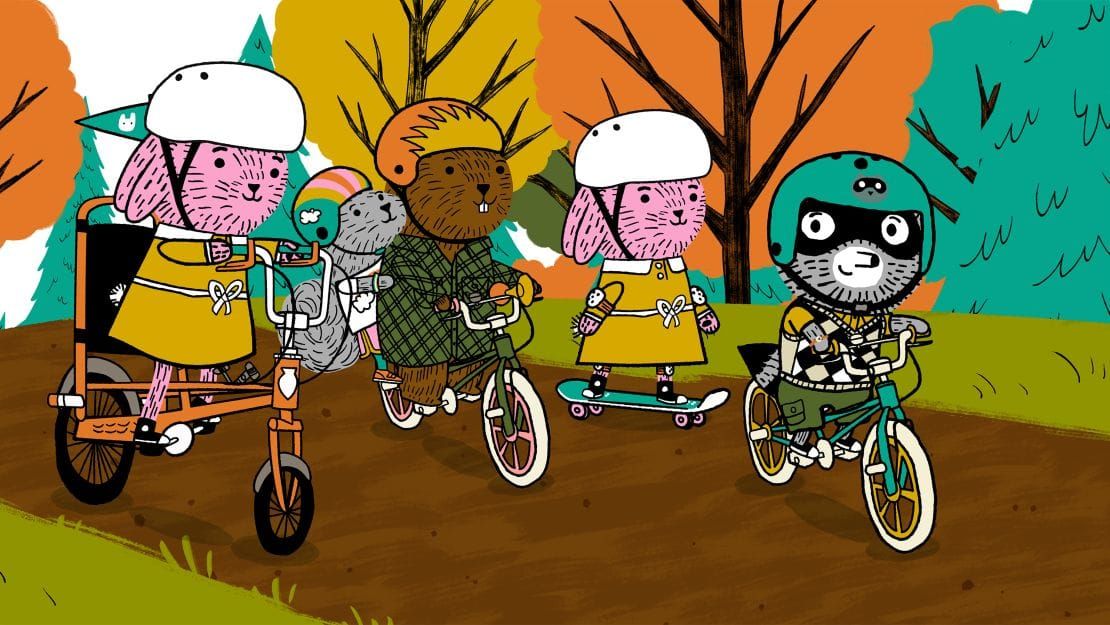
In a first for children's programming, PBS Kids has launched "Carl the Collector", a show that not only entertains but also educates audiences on neurodiversity. Featuring Carl, a raccoon with autism, as its lead character, the series marks the first time PBS Kids has centered a show on a neurodivergent protagonist. With Carl and his neurodiverse friends at the helm, the show aims to foster empathy, awareness, and acceptance among its young viewers.
A Story from the Heart
The idea of "Carl the Collector" was a ten-year labor of love by bestselling illustrator and author Zachariah OHora. He was dedicated to authenticity right from the start, hiring neurodiverse writers, animators, advisors, and voice actors to make sure the story felt real for its audience.
"Sometimes a neurodivergent person is going to have a unique take on something that others can learn from," OHora explained. "And at the same time, we don't gloss over the fact that some social situations and interactions can be more of a struggle for autistic kids and their parents and caretakers."
This philosophy runs through Carl's adventures as he experiences e veryday life challenges with his friends. It's funny and heartfelt, opening windows to the joys and frustrations of neurodivergent experience and focusing on strengths.
Carl's Interest in Collecting
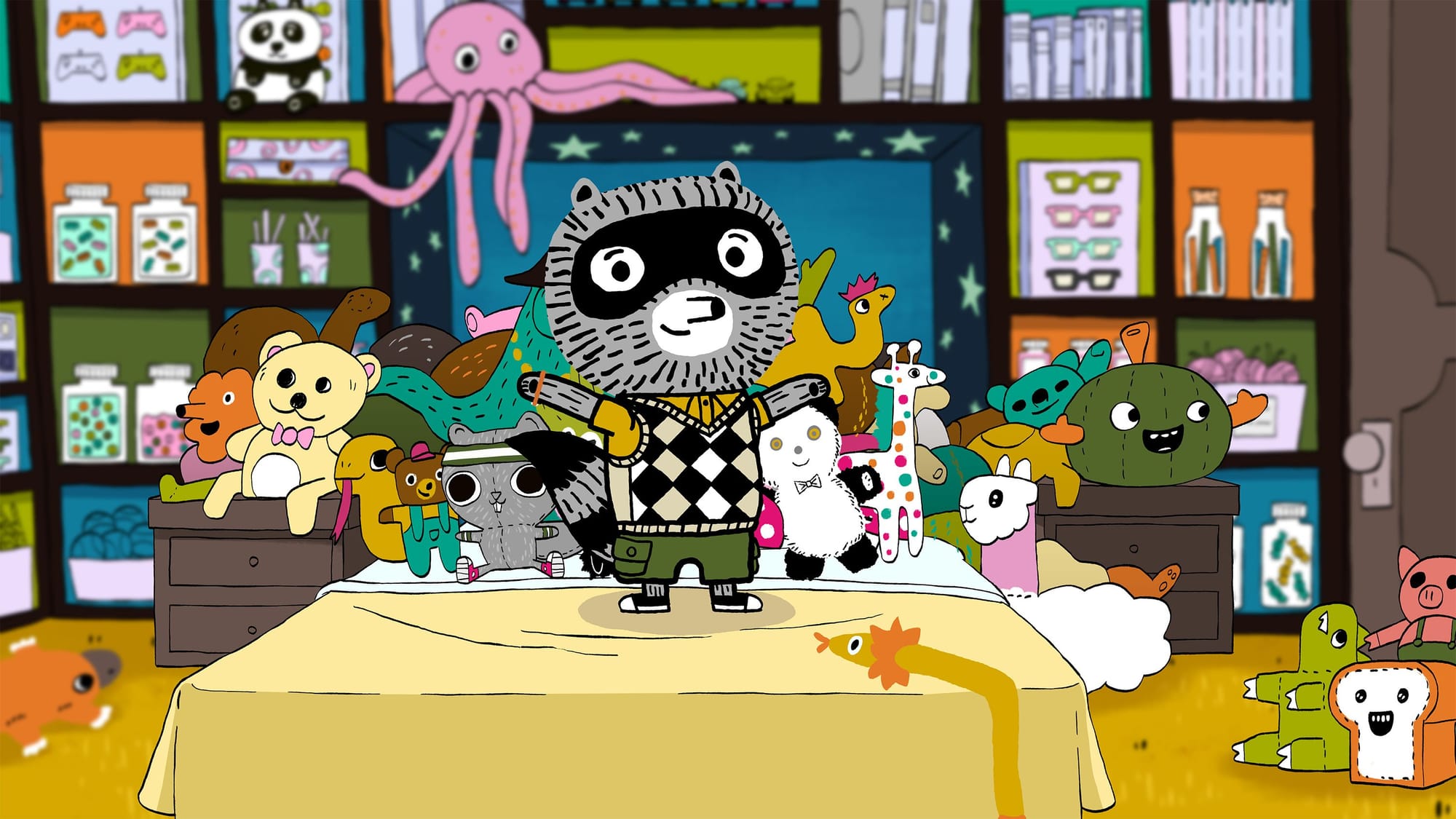
At the heart of Carl's personality is his love for collecting. This is not just a quirky hobby but a meaningful way to connect with the world around him. From lint to plush toys, Carl's collections help him make sense of his environment, sparking conversations about the interests often termed "overly focused" in individuals with autism.
According to the CDC, such focused interests are common among people with autism and fit within diagnostic criteria for repetitive behaviors or activities. In portraying Carl's collection as a strength rather than a flaw, the show normalizes and celebrates such traits.
In one episode, Carl's attention to detail becomes the plot point. He is the only one who can distinguish between Nico and Arugula, identical sisters. What initially creates tension turns into a teachable moment, as Carl uses his skills to help his friends hone their observation abilities, thereby turning a potential conflict into an opportunity that underscores the value of neurodiversity.
For parents like Lissette Pedreiras, "Carl the Collector" is a powerful source of acceptance in families. Pedreiras, a mom of two, believes this show is a groundbreaking one in helping neurotypical children understand their neurodivergent peers better.
Seeing someone like Ayden on screen, especially as a cartoon character, is amazing because he could get to see himself, you know, in someone," Pedreiras said, referring to her 8-year-old son, who has autism.
Ayden's obsession with toy animals and dinosaurs is similar to Carl's habits of collecting, and his ability to remember the different species of dinosaurs is an extraordinary level of focus and passion that is often observed in autistic people.
The funny thing is, he has such a sharp memory. When he was three or four, he would name dinosaur species, and I thought he was making them up. But no, they were real dinosaur names," Pedreiras shared.
Her story explains why "Carl the Collector" might appeal to families, opening a window of meaningful discussion around neurodiversity. "We want people to understand that we don't want to change them. We want people to understand them," she emphasized.
At its core, "Carl the Collector" is so much more than just an animated series; it serves as a tool of empathy in which the challenges and triumphs of characters' different experiences are exhibited in all their unique glory to evoke understanding in viewers.
OHora designed the show with this mission in mind. "I hope that autistic kids and their caretakers can feel seen and appreciated, and it's a vehicle for more conversations about what it means to be human," he said.
This view is woven into every part of the show, from its energetic animation to its thoughtful storyline. Every episode presents new challenges or scenarios for viewing from Carl's eyes in an attempt to better understand the perspective. Representation and Inclusivity
The importance of Carl as a prototypical lead extends far beyond the screen. He represents a change, a more inclusive role for children's media; he gives a face to a long voiceless community.
Representational for many parents and teachers is this step forward. Taking that normalized autism through the eyes of "Carl the Collector" will take most steps toward breaking down stereotypes with one step toward building acceptance in understanding.
The authenticity of "Carl the Collector" owes much to the involvement of neurodiverse creators. From scriptwriting to animation, individuals with firsthand experience contributed to every stage of production, ensuring that Carl's story was told with sensitivity and depth.
OHora emphasized this approach. "We just knew from the start that we couldn't tell other people's stories for them," he said.
This ethos is evident in the show’s nuanced portrayal of autism, which avoids oversimplification and instead celebrates the complexity of neurodivergent experiences.
A Catalyst for Change
"Carl the Collector" is more than just a television show—it’s a cultural milestone. By bringing neurodiversity to the forefront of children’s programming, PBS Kids is paving the way for a more inclusive future.
For families like the Pedreiras, it's a unique opportunity to bridge those gaps in understanding and create meaningful connections. As Lissette explained, "It's important for my daughter, because it's a little difficult, right? When you have a neurotypical child and a neurodivergent child and explaining how he thinks and how his brain works."
The Future of Neurodiverse Storytelling
With "Carl the Collector", PBS Kids has set a new standard for inclusivity in children’s media. The show’s success could inspire more networks to embrace neurodiverse characters and creators, expanding representation across the industry.
For OHora and his team, this is only the beginning of their journey. Their hope is that "Carl the Collector"will both entertain and educate, giving a bigger platform to what acceptance and understanding are all about.
As Carl and his friends go on with their adventures, they remind everyone of every age that what makes us different is what makes us unique and that each and every one of us has something worthwhile to contribute.
"Carl the Collector" is a landmark moment in children's programming, one that brings together engaging storytelling and a powerful message of inclusion. Through Carl's journey, young viewers learn to appreciate the beauty of diversity, while families gain tools to navigate conversations about neurodiversity.
With its thoughtful approach and groundbreaking representation, the show is bound to leave a lasting impact and inspire a generation of children to embrace empathy and acceptance. As OHora so aptly said, "Carl the Collector" is more than a show; it's a celebration of what it means to be human.