Ōoku: The Inner Chambers: Exploring Japan’s Alternate History


Ōoku: The Inner Chambers is an engaging historical drama taking the audience into an alternative version of Edo-period Japan, where the characters played out by members from each sex are drastically reversed. Virtually all the male population had been killed off due to a strange plague and it was up to women to fill every powerful position in society. Men are a type of rare spoils and tend to courts, particularly special ones within the Ōoku itself, which is the Shogun's inner court.
Based on the manga by Fumi Yoshinaga, the live-action series adaptation of Ōoku is still one of those dramas that do not only feature convoluted characters but also power, gender, and society.
The drama was not only made known because of the interesting storyline. Indeed, its cast brings powerful performances.
Let us first look into the main cast of this really interesting series and know more about its release details.
Principals who starred in Ōoku: The Inner Chambers
Ōoku: The Inner Chambers live-action film features exceptional actors who are becoming that rich characters. Some of them key cast members are outlined below:
Sadao Abe as Yunoshin Mizuno
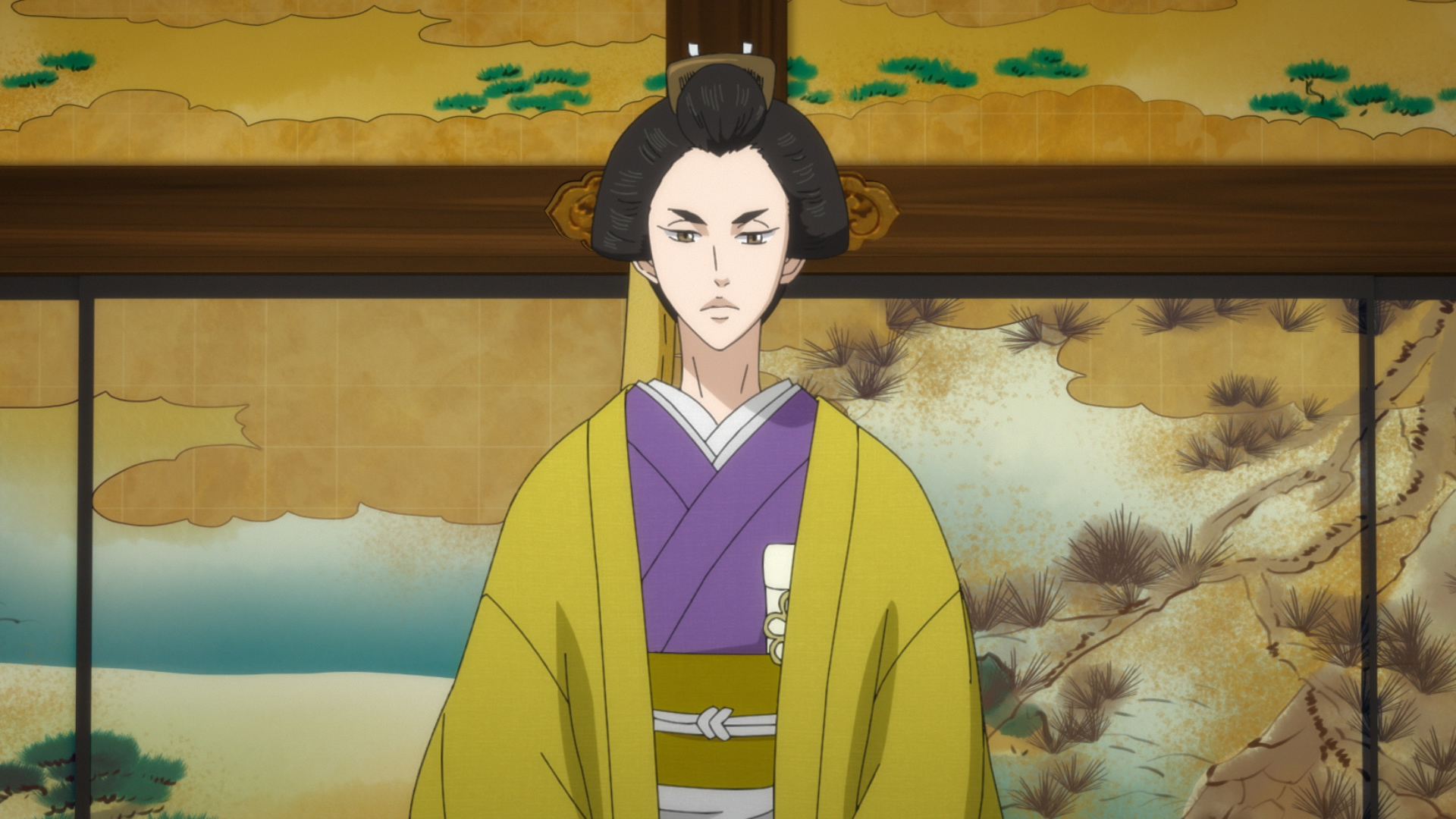
Sadao Abe is an actor who plays Yunoshin Mizuno, a young man from a samurai family who joins the Ōoku to relieve his family of financial pressure. He is one of the few men in the inner chambers of the Shogun, living in a highly intricate world where men in such a close-knit group are scarce and valuable. Throughout his journey, Yunoshin reflects various and crucial sacrifices made in terms of duty, loyalty, and love; he is torn between his duty to the Ōoku and his desire for liberty.
Abe's portrayal of Yunoshin is emotional and subtle, bringing layers to the character's inner turmoil. An actor who has proven himself versatile in both comedy as well as drama, Abe came out with a performance reflecting the emotional weight of an inverted gender role world.
Takuya Kimura as Shogun Iemitsu Tokugawa
Takuya Kimura plays Shogun Iemitsu Tokugawa, the ruler of Japan in this parallel universe. Here, Iemitsu has been re-imagined as a woman who has taken up the position of Shogun, ruling over the country with extreme authority, and, in this respect, Kimura brings a real sense of presence to the role, playing both the powerful status of Iemitsu and his vulnerabilities as a human.
Shogun Iemitsu's character wrestles with trying to retain control amidst a tale of male-oriented history, but in this changed world, it is women who hold power. The tension created between the power elements and the emotional involvement of the action can also be seen in the acting performed by Kimura as the character conflicts between personal wants and the needs to lead.
Maki Sakai as Kasuga no Tsubone
The character cast of the series includes Maki Sakai, who portrays Kasuga no Tsubone—one of the influential figures within the Ōoku and one of the most influential women operating behind the shadows. As one of the closest confidants and advisors of the Shogun, Kasuga manages to utilize major influence over chamber affairs and decisions within the management of Japan. With her manipulative nature and razor-sharp intellect, she is one of the most powerful characters in the story.
Kasuga's position in the Ōoku is at once auspicious and possessive—protective as she works to protect Shogun's interest, yet declaring her own power. In the acting of Maki Sakai as Kasuga, there is a potent presence of the strength and ambition necessary for her simple survival in the treacherous waters of the Ōoku.
Hiroshi Tamaki as Arikoto Madenokōji
There is Hiroshi Tamaki as Arikoto Madenokōji, who was once a monk condemned to enter Ōoku, where he would become the concubine of the Shogun. Arikoto is a noble and honourable man, fighting to come to terms with all changes done with his life in the past following a forced transformation. His complicated relationship with Shogun Iemitsu forms a central theme in the drama.
Tamaki's Arikoto is a gentleman characterized by elegance and goodness even as he gets entangled in the politics of power in Ōoku. In fact, he embodies a man of faith and mercy but is all the same chained by the stricture of this peculiar world.
Kenta Kiritani's Gyokuei
Young and ambitious Gyokuei is played by Kenta Kiritani within the Ōoku, seeking rise through ranks by nearly any means. His is a character of ambition and desire-an alternative face of the strife of all those in pursuit of power within a system whose gender roles are turned on their head. Kiritani delivers a sharp, cunning performance as driven man Gyokuei in a competitive environment.
Gyokuei's character also runs in contrast to those in Yunoshin and Arikoto, who have better balanced outlooks in life inside the Ōoku.
Narumi Riko as Onatsu
The character of Onatsu is portrayed by Narumi Riko, one of the women who also holds a very important role in the Ōoku. While being one of the more subtle and softer characters, Onatsu's progression underlines life within the Shogun's court at the emotional level. Her character has to fight the issues of love, loss, and personal sacrifice to carry on in this world.
In the Narumi version, Onatsu is actually a striking balance between the political intrigue and power struggles and brings emotions into play and humanizes the aftermath of the societal upheaval that restructured Japan.
Themes and Plot
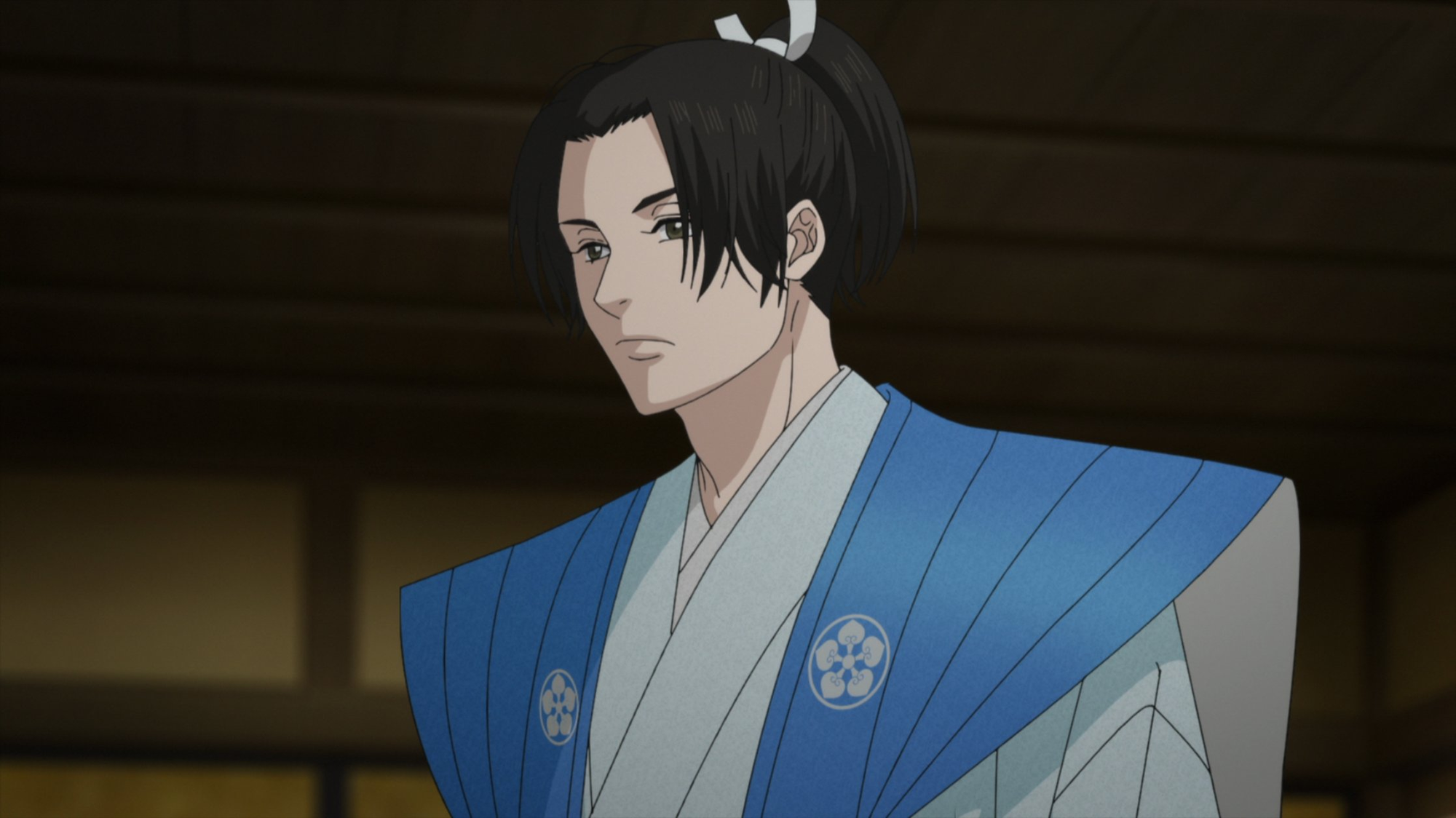
The story of Ōoku: The Inner Chambers is a political and personal intrigue set within the Ōoku, where gender roles are reversed and women occupy the highest echelons of power, while men are mostly relegated to positions of servitude. The inner chambers of the Ōoku are full of men attending to the Shogun, fighting to gain favor and be able to adapt to a world in which they are no longer in charge.
On another level, Ōoku explores themes that reflect and sometimes parody traditional concepts of gender, power, and sacrifice. It raises questions about the roles society defines for people and how power plays its role in defining relationships. This is an interesting viewpoint, giving the series a fresh perspective on its taken-for-granted themes of human drama and tragedy.
Through its convoluted characters and level of detail in world-building, the Ōoku uniquely lenses the role of gender and power through a dramatic prism for the viewer to examine this in history. master story here will be not only each character's journey but also how they engage with the new social order in which they find themselves and how that does/does not interact with the very personal and political consequences of such a change.
Release Date
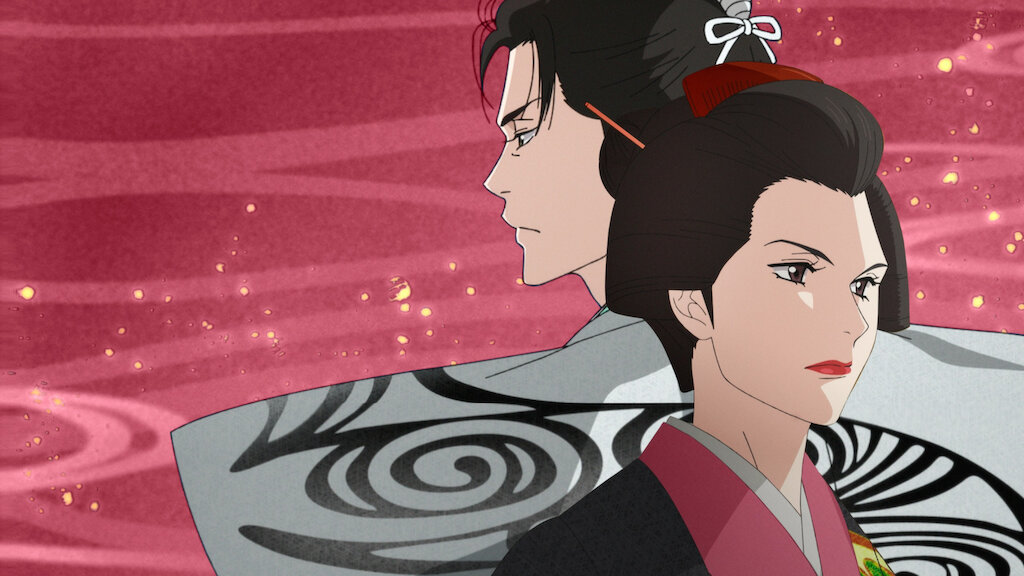
The long-awaited live-action series Ōoku: The Inner Chambers was finally out on June 29, 2023. After that, the show started enjoying tremendous appreciation for its gripping storyline, amazing visuals, and outstanding actors. The series has contributed so much to people's lists of live-action adaptations in historical drama and alternate history.
Ooku: The Inner Chambers is a trenchant, complex study of gender, power, and society, set against the alterative Japan of an Edo period. The dexterous cast—Sadao Abe, Takuya Kimura, and Maki Sakai, to name just three-bring this fascinating world to life with performances that are at once emotionally charged and affecting. It is certainly a provocation to think upon the effects of societal upheaval, and viewers are treated to a most particular view into the nature of historical power dynamics.
Released in June 2023, Ōoku is a piece most memorable in the world of live-action adaptations—it's a gripping tale that questions ordinary conceptions of gender and power. Historical drama fans and those who love being in alternate history can watch and enjoy Ōoku: The Inner Chambers.