Ontario Pausing Retaliatory Measures After Tariffs Postponed, Doug Ford Says
Ontario Premier Doug Ford announced a pause on retaliatory measures after the U.S. postponed tariffs, emphasizing continued vigilance and potential future actions if trade tensions escalate. Negotiations remain ongoing.

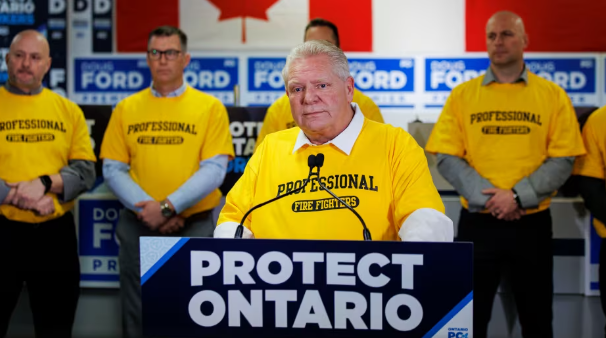
Ontario Premier Doug Ford said the province will temporarily put its retaliatory measures on hold following the delay of U.S. tariffs on Canadian goods. The announcement comes after Prime Minister Justin Trudeau successfully negotiated a 30-day delay in the tariffs that former U.S. President Donald Trump had planned to implement.
A Temporary Reprieve
Ford shared the good news on X, stating his relief that the tariffs were averted temporarily. He acknowledged that Canadian workers, union leaders, and businesses made a concerted effort to protest against the tariffs and that this reprieve will only give them more time to negotiate.
"With the U.S. pausing tariffs, Ontario will also pause our retaliatory measures," Ford stated. However, he warned that if the tariffs were reinstated, Ontario would not hesitate to resume its countermeasures.
Retaliatory Measures Put on Hold
Among the retaliatory measures Ontario had lined up was the pulling of U.S. liquor off LCBO shelves, which was to start Monday night. Ford also announced that he was scrapping a $100-million deal with Elon Musk's Starlink to provide satellite internet service in Northern Ontario. With the delay of the tariffs, provincial officials confirmed that the Starlink deal will continue for now.
Ford Stands Firm on Trade
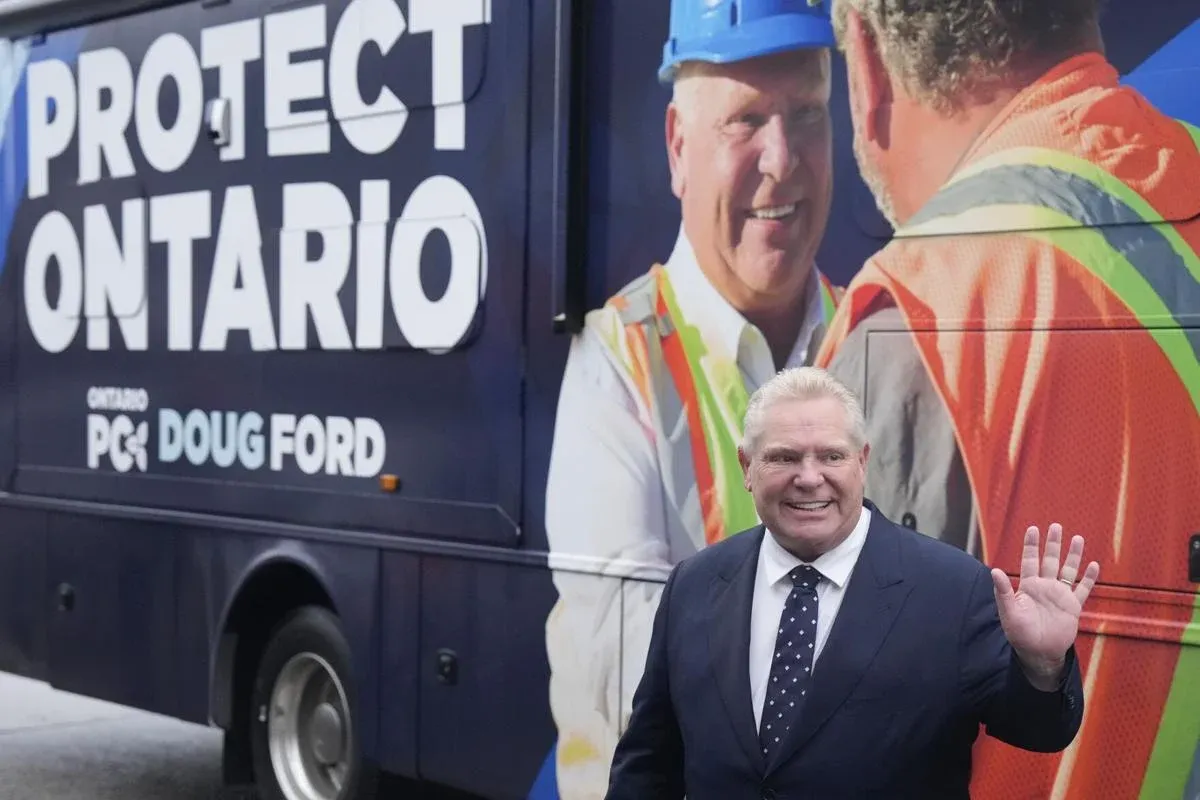
But the halt is temporary. The premier has once again declared he would not buckle under U.S. tariffs on Ontario. Instead, the province will favour domestic manufacturers and enterprises. "If President Trump continues with tariffs, we won't think twice to pull American products off LCBO shelves or stop American companies from bidding for provincial procurement," Ford said.
These proposed tariffs from Trump are significant economic events as he introduced a 25% tariff on all the Canadian goods and also put a 10% tariff on the sale of oil, natural gas, and electricity of Canada. For retaliating these proposals, the Canada had even planned to levy a 25% duty on $155 billion worth of US goods including alcohol and fruit.
Economic Effect in Ontario
Ford projected that the actual U.S. tariffs would threaten up to 500,000 jobs at facilities in Ontario. Government procurement alone amounts to about $30 billion a year, most of which the province spends on contracts with U.S. companies. Due to the trade row, Ford vowed to focus on the use of Ontario-origin products as an aspect of local economic strength.
Starlink Deal and Political Fallout
Mixed reaction greeted Ford's decision to scrap the Starlink deal. The Ontario Liberal Leader, Bonnie Crombie, termed the deal as a "sweetheart" and welcomed its cancellation. Green Party Leader Mike Schreiner and NDP Leader Marit Stiles also raised some skepticism over the contract, claiming that Ontario should focus on building an economy resilient enough to handle future trade disputes.
Musk, who owns Starlink through SpaceX and was appointed to head Trump’s Department of Government Efficiency (DOGE), responded to the initial cancellation with a nonchalant "Oh well" on X.
Ford claimed that Ontario has not paid Starlink yet and that his government is ready for legal action if Musk decides to challenge the cancellation. He also accused the Trump administration of violating trade agreements and stressed Ontario's right to defend itself economically.
Future Trade Relations
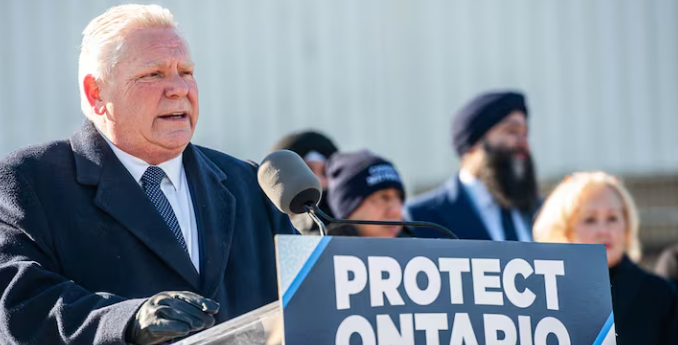
Ford admitted that although the tariffs are on hold, the ambiguity persists. He further cautioned that Trump may apply this threat as a bargaining tool in future trade talks between the United States and Canada, perhaps about the United States-Mexico-Canada Agreement.
Ford also stressed the fact that a "real trade war" had been with China and urged Washington and Ottawa not to retaliate against each other with tariffs but instead to stand together. However, Ford would later express outright disdain for President Trump, arguing, "It's been a disaster. I'd never support that guy in my entire life. He goes up and just stabs you right in the heart. Forget that."
Ontario Readies for Snap Election
In the wake of the trade war, Ontario is also readying for a snap election on February 27. Ford rationalized the need for an election, saying that he required a new mandate to address the possible economic shocks arising from Trump's policies. However, the leaders of the opposition have condemned the decision as redundant and politically calculated.
Frequently Asked Questions (FAQs)
What was the reason behind Ontario's initial decision to withdraw U.S. liquor from LCBO store shelves?
Ontario had planned to remove U.S. alcohol as part of its retaliatory measures against the proposed U.S. tariffs. The move was meant to send a message to the U.S. government by cutting American products out of Ontario's government procurement system.
Will the Starlink deal with Ontario continue?
Yes, at least for now. After announcing the cancellation of the $100-million contract with Starlink, Ontario has now opted to go ahead with the deal after the delay in the U.S. tariffs.
Could Ontario's retaliatory action be reinstated?
Yes. Ford said that if Trump reinstates the tariffs, Ontario would bring back its retaliatory action where American products would be removed from LCBO shelves and the U.S. companies from provincial procurement contracts.
How does this impact Ontario's economy?
The U.S. tariffs proposed could have drastic economic impacts on Ontario, even placing up to 500,000 jobs at risk. Ontario's government procurement spending stands at $30 billion per year with contracts to giant U.S. businesses so would be hit by the retaliatory action.
In what way does this situation impact the Canada-U.S. trade relations?
The delay of tariffs gives respite, yet tensions are rife. A tariff tool during negotiation by Donald Trump creates an economic uncertainty environment, and Ford has warned Canada that it has to be aware of the implications of future USMCA-trade negotiations.
Ontario remains in a state of economic and political flux as it awaits further developments in U.S. trade policy. The coming weeks will be crucial in determining whether these trade tensions will escalate or be resolved through diplomatic negotiations.