New York Times Tech Workers End Strike Amid Election Coverage Challenges
New York Times tech workers ended their five-day strike without a contract, saying the critical role that their work played in Election Night coverage illustrated the important role that tech plays in newsroom operations.

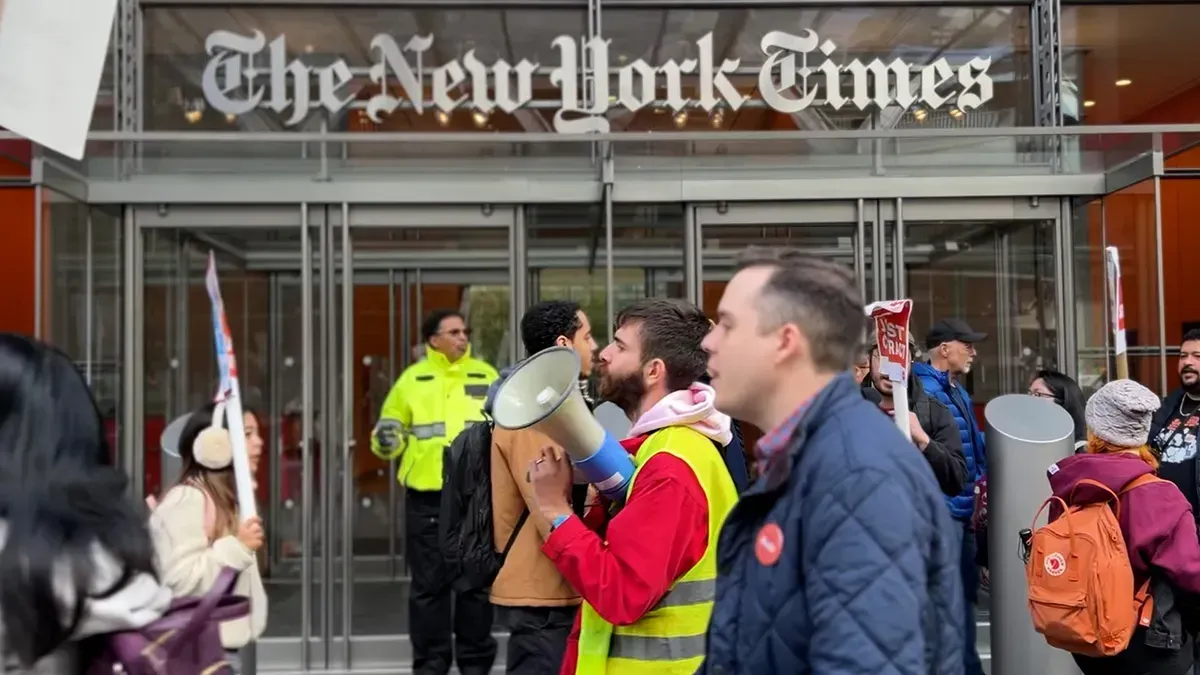
Represented by the Times Tech Guild, the staff-comprising software engineers, data analysts, and other tech specialists-walked out to demand better job security, fair wages, and greater equity in working conditions. The team, however, has decided to return on the eve of Election Night as they feel important work has a critical impact on real-time reporting in the polls.
Yet while the newsmen cover the election returns, these tech workers are usually out of sight but certainly not out of mind since they play a crucial role in laying out digital news without a hitch, especially on high-stakes nights like Election Night. As results began pouring in from all parts of the country, some of the tech folks ensured data came in and was churned out quickly on the New York Times digital platforms so that readers could get right, up-to-the-minute facts. Their absence during this crucial period manifested disquieting disorganizations and drove home the immense need they have in modern journalism.
"This wasn't an easy decision, but we didn't want our strike to affect Election Night coverage," said one Guild member, who added that the team's return should not be interpreted as a resolution but rather a pause for the greater good of public service. Union leadership supported the move by reiterating that this was just a temporary pause based on their commitment to reliable reporting about elections.Higher pay, better benefits, and protection against layoffs are the major issues that the Tech Guild wants in this highly unstable industry. The union leaders declared that the Times has, over the years, maintained its high profits, providing excellent compensation and security for all editorial jobs, but woefully inferior compensations for tech jobs. Considering the fact that technology work is getting increasingly essential for the entire news-delivery concept, many claim these professionals deserve comparable protections as any other Times staff member.
It highlighted ongoing issues facing tech workers in news organizations whose newsgathering operations increasingly depend on sophisticated data manipulation, web programming, and user interface work. As newsrooms rely more and more on digital infrastructure, it made no sense, the Guild said, to treat tech staff as second-class creatives. "Our jobs are no longer freelance," said another employee. "We're as essential to the story as reporters in the field."
The Times' management said they were committed to reaching a fair agreement. In fact, as the Times itself reported with a statement last week, a spokesman for the Times stated, "We respect the hard work of all of our staff, including those in technology roles, and we are committed to reaching an agreement that supports our employees and the Times' mission.".
As the industry argues over digital transformations, the strike reminds news organizations to become adept at change that is just and fair on both sides, be it technological or labor practices. The return of tech workers before Election Night places great responsibility on their shoulders. At the same time, it is clear that the Guild will continue to advocate for a just contract, recognizing the contributions from all its members.
For now, the tech workers have returned to work. However, negotiations continue, warning that additional actions may be taken if an agreement is not reached soon. The outcome of this dispute may set precedent for other news organizations and their tech workers as demands for fair labor standards in digital media grow ever more urgent.