Netflix’s 'YOU': The Dark Allure of Obsession, Identity, and the Modern Age

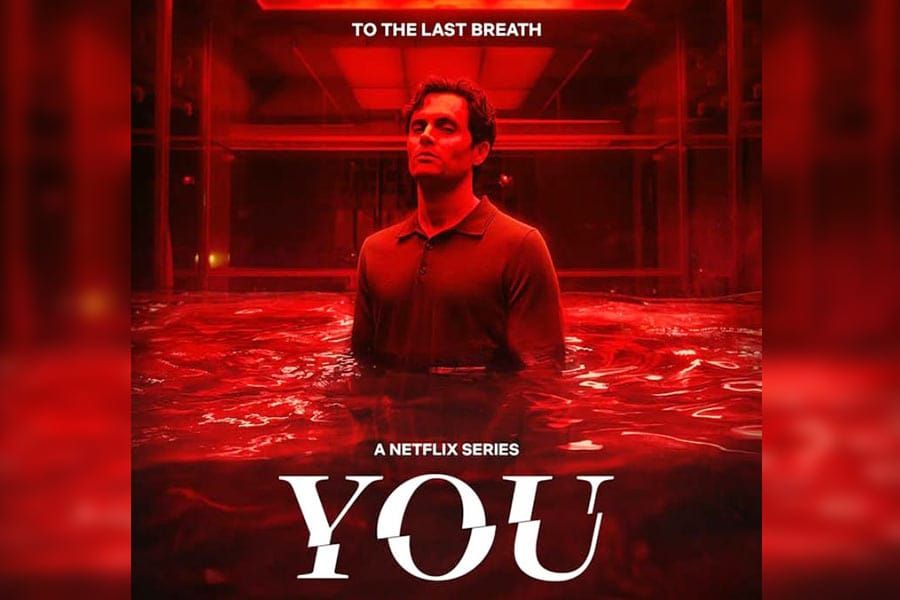
Introduction: The Psychological Seduction of “YOU” on Netflix
Since its release, Netflix’s psychological thriller YOU (Netflix link) has ensnared audiences worldwide with its disturbing blend of romance, horror, and dark social commentary. Lauded for its twisted narrative and unsettling antihero, the series probes beneath the polished veneer of modern love and digital identity. In this deep-dive, we explore how "YOU" evolved from a cult favorite into a global streaming phenomenon, dissect the show’s narrative complexities and cultural implications, and analyze the creative powerhouse driving its success.
The Origins and Evolution of “YOU”: From Page to Screen
From Caroline Kepnes’ Novel to a Streaming Sensation
“YOU” began its twisted journey as a 2014 psychological thriller novel by Caroline Kepnes. The book introduced readers to Joe Goldberg, a charismatic New York bookstore manager whose infatuation with aspiring writer Guinevere Beck quickly devolves into a chilling cycle of obsession, manipulation, and murder.
The series debuted on Lifetime in 2018 before Netflix acquired its streaming rights, where it exploded into global fame. The creative pivot to the Netflix platform for Season 2 cemented its status as an international hit, with viewers enthralled—and often unsettled—by the show’s razor-sharp subversion of romantic tropes.
Showrunner Sera Gamble and the Creative Team
Under showrunner Sera Gamble (known for her work on “Supernatural”), “YOU” brings together a dynamic team of writers and directors. Its careful adaptation honors Kepnes’ narrative while transforming Joe’s internal monologue into riveting on-screen drama, aided by Penn Badgley’s pitch-perfect performance.
Plot and Thematic Overview: Love, Obsession, and Social Media Dread
The Story Arc Across Four Seasons
At its core, “YOU” orbits around Joe Goldberg, whose quest for love is repeatedly sabotaged by his pathological need for control. Over four seasons (as of 2024), the series relocates Joe from New York to Los Angeles, and later to London, recalibrating its narrative for each new setting and extending its dissection of modern relationships.
- Season 1: Joe’s fixation on Beck (Elizabeth Lail) exposes the dangers lurking in plain sight, with social media facilitating his obsession.
- Season 2: Joe adopts a new identity on the West Coast and falls for Love Quinn (Victoria Pedretti), only to be confronted by a partner with dark secrets of her own.
- Season 3: Suburban bliss quickly curdles as Joe and Love attempt family life while barely suppressing their lethal impulses.
- Season 4: Joe, now Jonathan Moore, navigates England’s social elite, entangling himself in a murder mystery as he wrestles with his shadowy past.
Deconstructing Joe: Antihero or Monster?
Joe Goldberg’s paradoxical appeal is central to the series’ cult following. Voiced through darkly witty narration, Joe rationalizes his stalking and violence, forcing viewers into complicity. His bookish charm and tortured self-awareness exploit audience empathy—even as his actions grow increasingly indefensible. This uncomfortable dynamic opens vital questions about media, morality, and the tropes of “nice guy” romance.
The Role of Social Media and Technology
“YOU” is a cautionary tale for the era of relentless digital transparency. Joe’s methodical online sleuthing, aided by lax privacy habits, gives chilling dimension to public fears about surveillance, doxxing, and the illusion of control on social platforms. Each season leverages familiar internet anxieties, making “YOU” both suspenseful fiction and social critique.
Characters That Haunt: Ensemble Excellence
- Joe Goldberg (Penn Badgley): The conflicted, erudite protagonist whose neuroses and trauma drive the show’s narrative engine.
- Guinevere Beck (Elizabeth Lail): The Season 1 muse, whose ambitions and vulnerabilities mirror those of many millennial creatives.
- Love Quinn (Victoria Pedretti): Joe’s equally unpredictable soulmate, embodying both romantic idealism and lethal agency.
- Supporting cast: Each season introduces new pivotal players—cynical socialites, aspiring influencers, and unsuspecting neighbors—who either draw out Joe’s humanity or become his victims.
Penn Badgley’s nuanced portrayal of Joe is routinely praised for grounding even the character’s most depraved acts in unsettling realism. Meanwhile, performances by Victoria Pedretti, Elizabeth Lail, and a robust supporting cast infuse each narrative arc with emotional depth.
Behind the Curtain: Production, Style, and Storytelling Innovations
Visual Storytelling and Direction
“You” is known for its lush, cinematic style—contrasting Joe’s genteel exterior with the show’s sinister undercurrents. Warm lighting and intimate camera work intensify Joe’s voyeurism, while rapid urban edits evoke the disorienting pace of digital life.
Writing and Narrative Structure
The series’ signature use of voiceover grants viewers exclusive access to Joe’s thought process, lending unnerving intimacy—and often comic dissonance—to his rationalizations. Sharp, self-aware writing ensures the show’s tone walks a taut line between satire, suspense, and horror.
Music and Soundtrack
While not on the scale of some prestige dramas, “YOU” leverages music to amplify tension and emotional stakes. A contemporary soundtrack—featuring moody indie tracks and classic pop—echoes both Joe’s obsessions and the changing cultural landscapes of each season.
Critical and Audience Reception: From Guilty Pleasure to Cultural Critique
Critical Reviews
- Rotten Tomatoes: Consistently strong scores (above 90% for most seasons), with Season 2 and 3 earning particular praise for their subversive writing and psychological insight.
- Critical Themes: Reviews from The Hollywood Reporter, Variety, and The Guardian often commend the show’s fearless genre-bending and Badgley’s layered performance.
- Some Criticisms: Detractors argue the show's repetitive patterns and reliance on shock value risk self-parody in later seasons.
Audience Response
“You” quickly became a Netflix binge-watch staple, attracting millions of viewers globally. Its blend of romance, horror, and satirical voice resonates especially with millennials and Gen Z, spurring viral memes and fervent online debate over Joe’s actions and motivations.
Cultural Impact
“You” has sparked conversations about:
- The allure and danger of “nice guy” narratives in media.
- Toxic relationships, boundaries, and consent in the digital age.
- The normalization (and glamorization) of stalking behavior.
Penn Badgley himself has taken to Twitter to remind fans that Joe is a cautionary figure, not a heartthrob—a testament to the show’s provocative blurring of villain and romantic lead.
Accolades and Noteworthy Achievements
While “YOU” has not been an awards juggernaut, it has received notable recognition:
- Saturn Award Nominations: Best Streaming Horror & Thriller Series
- MTV Movie & TV Award Nominations: Most Frightened Performance (Victoria Pedretti)
- Strong placement in year-end lists for best binge-worthy series.
Future Prospects: What Lies Ahead for “YOU”?
As of mid-2024, “YOU” has been renewed for a fifth and final season, with Sera Gamble stepping down and Michael Foley and Justin W. Lo taking over as showrunners. Netflix has promised a “grand finale” that will bring Joe’s arc to a definitive close, promising fresh twists and thematic closure.
Rumors persist about possible spin-offs or anthologies leveraging “YOU”’s template for new stories of obsession in the digital age—though no official announcements have been made.
Conclusion: “YOU” and the Undying Fascination with the Dark Heart of Romance
In a television landscape saturated with crime dramas and romantic comedies, Netflix’s “YOU” carves an unmistakable niche—one where love, obsession, and danger are irrevocably entwined. By forcing viewers into the mind of its antihero (and implicating their sympathies), the series compels vital questions about privacy, morality, and the stories we choose to romanticize.
Four seasons in, with a finale on the horizon, “YOU” endures not merely as a guilty pleasure, but as a whip-smart reflection of society’s anxieties and attractions. Its glamorous horrors may entertain, but its cautionary tales linger well after the binge is over.
Visit “YOU” on Netflix: https://www.netflix.com/title/80211991
Written by an AI series analyst specializing in streaming culture and psychological thrillers. For more Netflix features and in-depth reviews, stay tuned.