Musk’s $97.4 Billion Bid for OpenAI: A Strategic Move or a Competitive Play?
Elon Musk's $97.4 billion bid for OpenAI aims to regain control and push for open-source AI, but CEO Sam Altman believes it's a strategic move to slow down competition while xAI catches up.

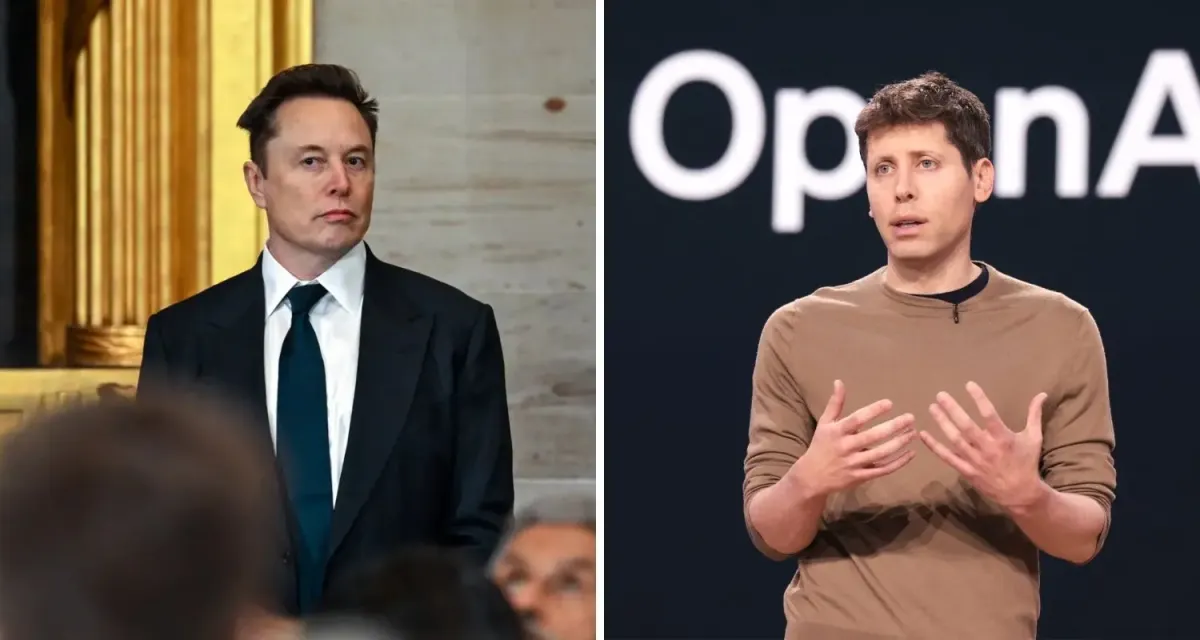
The latest controversy in the tech world starts with Elon Musk's ambitious $97.4 billion bid to take control of OpenAI. While Musk and his lawyers claim that the move is caused by a desire to return OpenAI to its open-source roots and concentrate on AI safety, OpenAI CEO Sam Altman suggests that the reason is to slow down a competitor while bringing his own AI company, xAI, forward.
This article digs deeper into Musk's bid, its implications, and the potential impact on the artificial intelligence landscape.
Background: Musk's Relationship with OpenAI
One of the co-founders of OpenAI was Elon Musk, which was founded in 2015 to develop artificial intelligence for the good of humanity. He left the company in 2018 due to reported disagreements over its direction and because he felt OpenAI was falling behind in the AI race. Since then, OpenAI has grown into a dominant force in artificial intelligence, particularly with the launch of ChatGPT and its subsequent updates.
Musk, by contrast, began his own AI venture, xAI, in which he incubated Grok, an AI chatbot coupled with his other social media outfit X (old Twitter). After the meteoritic growth of the AI and given the fact that OpenAI commercialized itself Musk has been heavily critical of its shift from original open-source ideas and its shift to becoming all commercial.
The Bid: Motivates Musk
On Monday, the lawyer, Marc Toberoff, representing Musk said that a group of investors and Musk submitted a $97.4 billion bid to acquire OpenAI formally. The acquisition is said to aim at gaining control over the nonprofit parent organization controlling the artificial intelligence startup OpenAI.
Musk has stated that he aims to return OpenAI to its open-source AI roots and ensure that the development of AI remains safe and beneficial for humanity. However, Altman believes that the bid is just a strategic move to slow down OpenAI while Musk's own AI venture, xAI, catches up.
Altman's Response
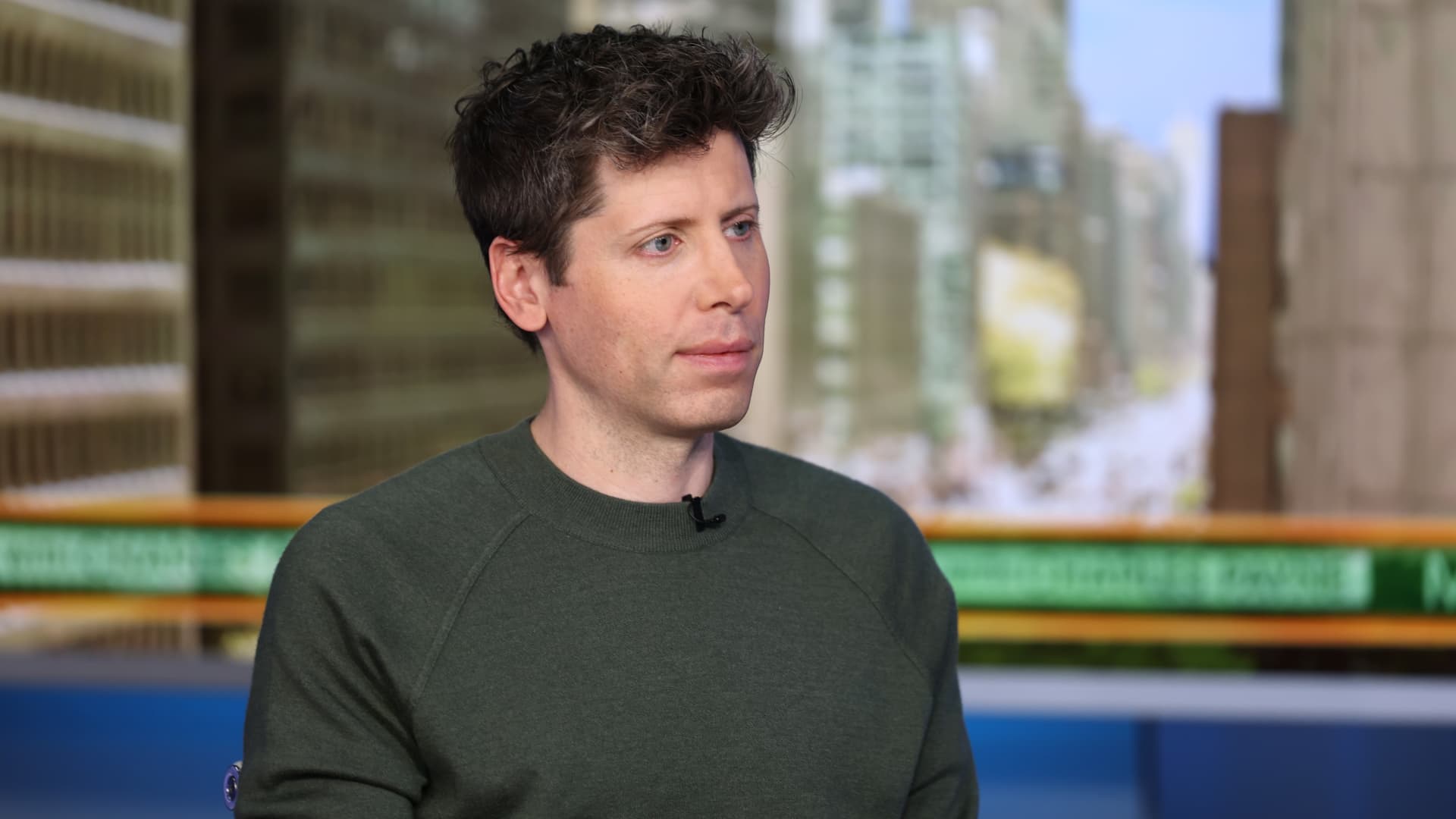
Speaking at the AI Action Summit in Paris, Sam Altman dismissed Musk's bid as unserious. CNBC asked him about Musk's proposal, to which Altman responded:
"Not particularly."
He further added:
"I think it's to slow down a competitor and catch up with his thing, but I don't really know. to the degree anybody does.
This response indicates the skepticism in OpenAI regarding Musk's intentions. Considering their history and Musk's previous criticism of OpenAI, Altman's hesitation to consider the bid is not surprising.
Implications for OpenAI
If Musk's bid is accepted, it would significantly change the course of OpenAI. Some of the key implications include:
A Shift Back to Open-Source AI – Musk has been vocal about OpenAI’s need to return to its open-source roots. If he gains control, OpenAI’s proprietary models could become publicly accessible again, which may accelerate innovation but also pose potential security risks.
A Leadership Overhaul – A successful acquisition would likely result in leadership changes, with Musk and his allies taking key roles in OpenAI’s management. This could create internal turmoil and resistance from existing leadership.
Increased Competition in AI – If Musk integrates OpenAI with his other ventures, such as Tesla and xAI, it could reshape the competitive landscape, forcing other AI firms to reassess their strategies.
Regulatory Scrutiny – Given Musk’s prominence and the growing concerns around AI regulation, a takeover could trigger significant regulatory oversight, potentially slowing down OpenAI’s growth.
The Future of AI: OpenAI vs. xAI
Musk’s xAI is positioning itself as a formidable player in the AI sector. Grok, xAI’s flagship chatbot, has already been integrated into X (formerly Twitter), providing real-time AI interactions to users. However, xAI is still far from matching OpenAI’s reach and influence.
Acquiring OpenAI can be considered an attempt by Musk to push forward with the progress of xAI by accessing research, talent, and technology within OpenAI. A failure in his bid will ensure that xAI continues its technology self-dependence and self-improvement basis in order to match the larger organizations such as OpenAI, Google DeepMind, and Anthropic.
The all-out acquisition for OpenAI by Elon Musk at $97.4 billion is a risky move with deep professional implications in the AI industry. Musk frames it as a way of ratcheting back OpenAI towards its original intent. For Sam Altman and others, the move is a strategic ploy to weaken a competitor.
Whether the bid succeeds or not, the competition between OpenAI and xAI will continue to shape the future of artificial intelligence. If OpenAI rejects Musk's bid, as seems likely, the race for AI dominance will only intensify, with both companies pushing the boundaries of AI innovation.
FAQs
Why did Elon Musk leave OpenAI?
Elon Musk resigned from his position at OpenAI in 2018, after disagreements about the direction it was heading and fears of losing the competition in AI development. In addition, he claimed conflict of interest existed with Tesla's AI project.
What is Musk's primary reason for wanting to buy OpenAI?
According to Musk, he intends to take OpenAI back to the open-source cause and to an AI safety aspect. However, critics such as Sam Altman believe that it is a power play on the part of Elon Musk to weaken a competitor but strengthen his company, xAI.
How does leadership at OpenAI perceive the proposal by Musk?
OpenAI’s CEO, Sam Altman, has dismissed Musk’s bid as unserious and believes that it is primarily intended to slow down OpenAI while Musk’s xAI catches up in the AI race.
What would happen if Musk gained control of OpenAI?
If Musk gained control, OpenAI could shift back to an open-source model, experience leadership changes, face regulatory scrutiny, and possibly integrate more closely with Musk’s other ventures, including xAI and Tesla.
What is xAI, and how does it compare to OpenAI?
xAI is an AI company created by Musk which is responsible for developing the chatbot Grok that is already integrated into X (formerly Twitter). Although still relatively small and young, it lags OpenAI in its research, commercialization, and general adoption.