Morning Bid: Markets Usher in 2025 with Trump Trepidation
Markets kicked off 2025 cautiously as Donald Trump's looming presidency raised concerns about tariffs, tax cuts, and immigration policies, leaving investors uncertain about global economic prospects.

The dawn of 2025 brought a cautious tone to global financial markets. With Donald Trump poised to return to the White House, investors braced for potential turbulence stemming from his economic policies. His plans, including hefty import tariffs, significant tax cuts, and restrictive immigration measures, have created a ripple of uncertainty, leaving markets jittery about what lies ahead.
Asian Markets Feel the Pressure
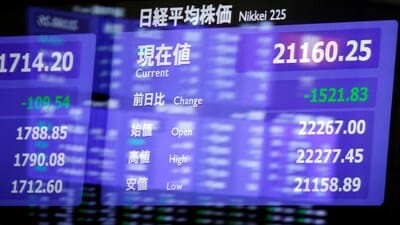
On Thursday, Asian shares suffered as the region bore the brunt of apprehensions surrounding Trump's policies. Chinese markets were particularly hard-hit, with stocks experiencing a significant selloff. The yuan weakened to its lowest level against the U.S. dollar in almost 14 months, reflecting investor unease.
Trade Tensions and Economic Challenges
Trump’s proposed tariffs on Chinese imports—reportedly exceeding 60%—have added a layer of complexity to an already fragile Chinese economy. While Beijing has promised proactive measures to boost growth, the looming trade risks overshadow optimism. Factory output across China and other Asian powerhouses ended 2024 on a subdued note, with data revealing weak demand and a lackluster outlook.

European Markets: A Glimmer of Hope Amidst Caution
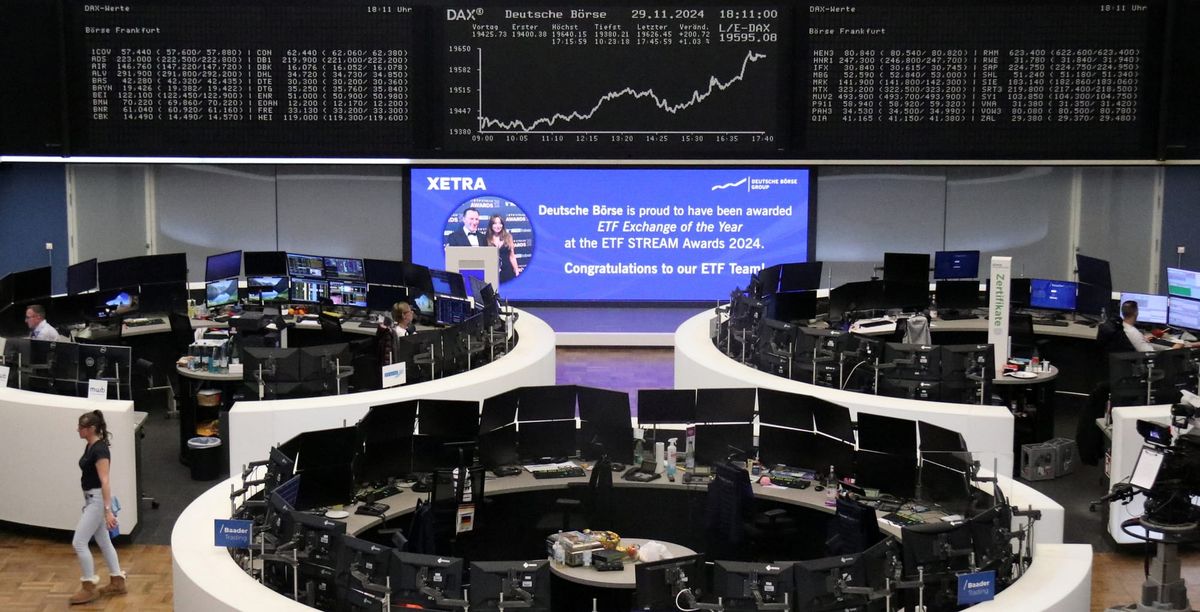
In contrast, European futures indicated a positive start, offering a glimmer of stability amidst global uncertainty. Energy shares are expected to take center stage following the cessation of Russian gas exports via Ukraine’s Soviet-era pipelines.
Energy Independence and Economic Resilience
The stoppage, although significant in a historical context, has had a muted impact on European energy markets. Unlike 2022, when dwindling Russian supplies triggered a record surge in energy prices, the EU has adapted to new supply chains, mitigating the economic fallout.
U.S. Markets and the Federal Reserve Dilemma
The U.S. markets face a dual challenge in 2025: the prospects of a hot economy driven by Trump’s policies and the Federal Reserve’s tightrope walk on interest rates. With inflationary pressures expected to rise, the Fed’s room to maneuver has narrowed. Current projections suggest 42 basis points of rate cuts this year, ensuring the dollar remains robust.
Global Economic Uncertainty
Trump's return heralds a potential shift in global economic dynamics. Trade policies that could destabilize international relationships and a domestic agenda emphasizing growth at all costs may carry implications far beyond U.S. borders.
Outlook for Investors
As markets navigate this uncertain terrain, the focus remains on managing risk and seeking opportunities amidst volatility. For Asian economies, resolving trade tensions and boosting domestic demand will be critical. In Europe, energy independence and continued adaptation to geopolitical shifts will shape market sentiment.
FAQs
Why are markets reacting cautiously to Trump’s return?
Markets are wary of Trump’s proposed policies, such as high import tariffs, aggressive tax cuts, and immigration restrictions, which could lead to trade disruptions and economic volatility.
How has Asia been affected by Trump’s policies?
Asian markets, particularly China, have been impacted by trade tensions, with a selloff in stocks and a weakened yuan, reflecting investor concerns over the region's economic prospects.
What is the significance of the Russian gas export stoppage to Europe?
The stoppage marks the end of an era in European energy reliance on Russia. However, the EU's diversified energy strategies have minimized its immediate impact on market stability.
What challenges does the U.S. face in 2025?
The U.S. grapples with balancing Trump's economic policies, which could fuel inflation and debt, against the Federal Reserve's constrained ability to cut interest rates.
How can investors navigate the uncertainty in 2025?
Investors should focus on diversifying portfolios, staying updated on geopolitical developments, and seeking stable sectors such as energy and technology to mitigate risks.