Molly Ringwald Slams ‘Breakfast Club’ Remake Idea: ‘It Doesn’t Represent Today’s World

Molly Ringwald Speaks Out on ‘The Breakfast Club’ Remake: Why She Doesn’t Believe in Reboots
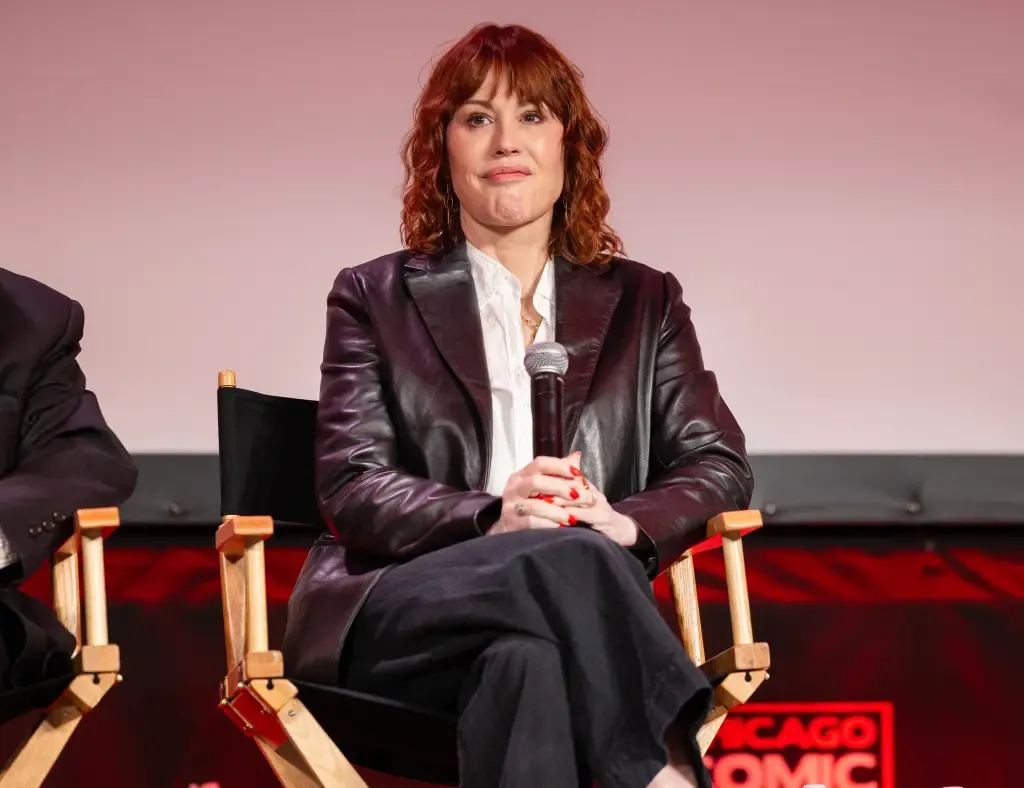
As The Breakfast Club marks its 40th anniversary, fans may be dreaming of a modern remake of the iconic 1985 teen drama. But one of the film’s stars, Molly Ringwald, isn’t on board with that idea. During a recent reunion panel at the Chicago Comic & Entertainment Expo, she opened up about why she believes the film should be left untouched—and why it doesn’t fully reflect today’s world.
Molly Ringwald's Opinion on a ‘Breakfast Club’ Remake: "It’s Very White"
Molly Ringwald, who played the role of Claire Standish in The Breakfast Club, shared her honest thoughts about a potential reboot during the panel. She explained that, while the film is a beloved classic, it was made in a very different cultural context.
“I personally don’t believe in remaking that movie,” Ringwald said. “Because I think this movie is very much of its time.”
She pointed out the film's lack of diversity and how it doesn’t address important social issues that are a big part of today’s conversations, like ethnicity and gender. Ringwald emphasized, "You know, it’s very white, this movie. You don’t see a lot of different ethnicities; we don’t talk about gender, none of that, and I feel like that really doesn’t represent our world today."
The Cultural Limitations of ‘The Breakfast Club’ – A Reflection of Its Time
When The Breakfast Club first hit theaters in 1985, it struck a chord with audiences who saw a reflection of their own teenage experiences in the film. However, Ringwald’s comments highlight that the film is very much a product of its era. In the mid-80s, diversity and inclusive storytelling weren’t as prevalent as they are today. For Ringwald, this lack of representation in such an iconic movie is one of the key reasons why she doesn’t think it’s a good idea to remake it.
While the film’s themes of high school cliques, peer pressure, and coming-of-age struggles still resonate, Ringwald believes that modern films should go beyond the boundaries of the original.
New Stories Over Reboots: Molly Ringwald’s Vision for the Future of Teen Films
Rather than remaking The Breakfast Club, Ringwald believes in creating fresh stories that reflect today’s society. She expressed a desire to see films that are inspired by the classic but evolve to address issues such as gender, race, and cultural differences—elements that are much more central to conversations today.
“I believe in making movies that are inspired by The Breakfast Club but are different, more evolved, and truly reflect today’s world,” Ringwald shared.
While she acknowledged the lasting legacy of The Breakfast Club, she stressed the importance of moving forward and exploring new narratives that reflect the diverse world we live in today.
The Iconic Cast Reunites for a 40th Anniversary Celebration
During the Chicago Comic & Entertainment Expo, Ringwald was joined by her Breakfast Club co-stars—Emilio Estevez, Anthony Michael Hall, Judd Nelson, and Ally Sheedy—for a reunion panel. Together, they reflected on the unforgettable experience of filming the movie at Maine North High School in Des Plaines, Illinois, and shared personal stories about working with the legendary John Hughes.
The panel was a chance for the cast to revisit their iconic roles and discuss the lasting impact the film has had on pop culture. The full reunion panel is available online for fans to watch, offering a behind-the-scenes look at how The Breakfast Club became a cultural touchstone.
The Enduring Legacy of ‘The Breakfast Club’ — And Why It’s Still Relevant
Even though Molly Ringwald believes a remake of The Breakfast Club wouldn’t be the right move, the film’s legacy is far from over. Its impact continues to inspire discussions about teen life, social issues, and personal identity, especially as new generations discover the film.
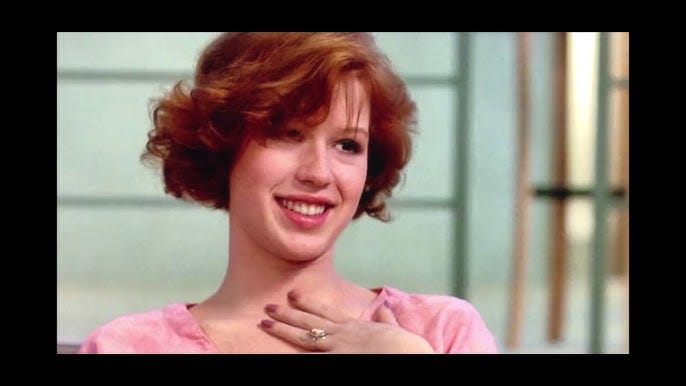
As Ringwald reflected, The Breakfast Club has become a symbol of youth rebellion, personal growth, and the struggle for acceptance. These themes still resonate with audiences, even though the film’s cultural context has changed.
Why the Time for a ‘Breakfast Club’ Remake May Have Passed
While some fans may wish for a modern update of The Breakfast Club, it’s clear that the original film has left a lasting imprint on teen cinema. According to Ringwald, reimagining the film for today’s audience risks losing what made it unique in the first place. A remake could also fail to capture the movie’s essence, especially considering how much the world has changed in the past 40 years.
Instead, Ringwald hopes to see new, innovative films that reflect the complexity and diversity of today’s world, while still embracing the spirit of the iconic John Hughes movie. These new stories would explore the same themes of adolescence but in a way that better represents modern society.
The Future of Teen Movies: Evolving Beyond ‘The Breakfast Club’
In the end, Molly Ringwald’s comments about The Breakfast Club highlight the evolution of storytelling in film. While the 1985 classic will always have a special place in cinema history, it’s important to move forward and tell new stories that are more inclusive, diverse, and reflective of the world today.
For Ringwald, the key is not to remake the past but to create fresh narratives that resonate with today’s youth, just as The Breakfast Club did when it was first released.