Modi's Cautionary Message for BRICS: A Call for Reform, Not Replacement

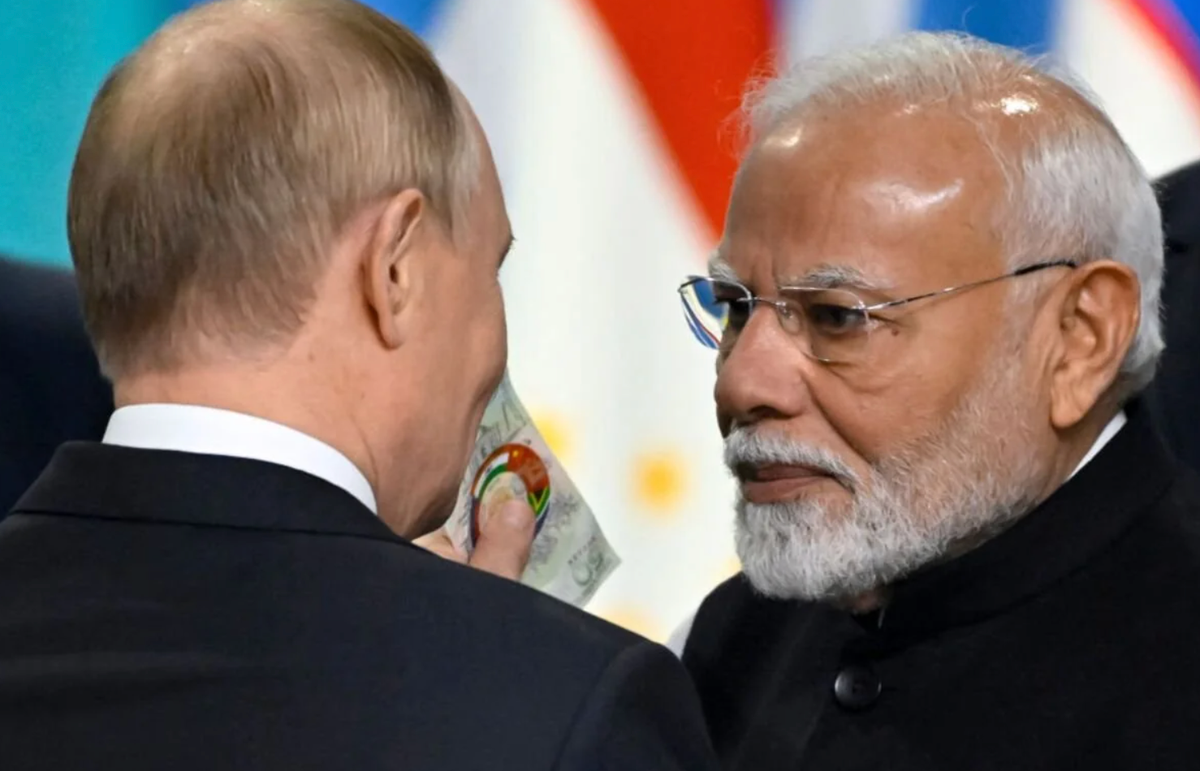
It was in this context that Prime Minister Narendra Modi, while speaking at the recent BRICS summit of leaders in Kazan, Russia, called for the preservation of the integrity and purpose of the BRICS organization. BRICS should not be viewed as an organization meant to replace existing global institutions but a reforming force existing within the confines of institutions such as the United Nations Security Council and multilateral financial organizations.
Modi's step coincides with a critical juncture at which BRICS is in the process of expansion and debating over inviting new member states, namely Argentina, Iran, and Saudi Arabia. Such a development makes the role of the block and its relevance in the global governance order a question. Using cautionary words, Modi simply wants BRICS to not take adversarial stances against other groups that may make them aloof, particularly to the Western states.
The Prime Minister highlighted the institution's necessity to reform rather than replace. A majority part of BRICS leaders do share this feeling, rightly understanding that more change needs to be instituted within the dictates of global governance that would come to better represent emerging economies. The UN Security Council, for example, has traditionally been under-represented-from the perspective of the Global South. Modi's call for reform is an effort towards these redresses of imbalances and becomes more integrative with the globe.
In this sense, BRICS will thus serve as a platform for collective action and needed change in international institutions, besides cooperative ties between its member states. Modi's vision for BRICS is not only collaboration among its members but constructive engagement with the international community at large. This could help smooth out many of the tensions and create dialogue opportunities in a time where polarization is taking firm root.
The bright note of Modi's emphasis on cooperation rather than conflict is compatible with many of the objectives of BRICS nations, which rely for their development on positive relations with both Western powers and one another. Modi thereby seeks to buttress the legitimacy and effectiveness of the group on the world stage, painting BRICS not as an alternative to existing institutions, but as a reforming body.
More importantly, the cautious position of Modi highlights the importance of smart diplomacy in strategic terms. As more and more countries move towards BRICS, the ease of divergence in every country's interests may be higher. Thus, unity on reform rather than replacement may strengthen this bloc as one single unit with coherence and influence.