Minneapolis Protests After ICE Shootings Escalate Nationwide

Minneapolis remains a focal point of national debate as protests continue in response to multiple shootings involving U.S. immigration enforcement agents. The unrest stems from two separate deadly encounters this month in the city that have drawn intense public scrutiny, political pressure, and legal battles over the role of federal agencies in local policing.
The most recent fatality involved 37-year-old ICU nurse Alex Pretti, who was shot and killed by federal agents during an immigration enforcement operation, marking the second time this month that such an incident has occurred in Minneapolis. Earlier in January, another 37-year-old, Renée Good, was also fatally shot by an agent, deepening community anger and mobilizing protests across the Twin Cities and in other U.S. cities.
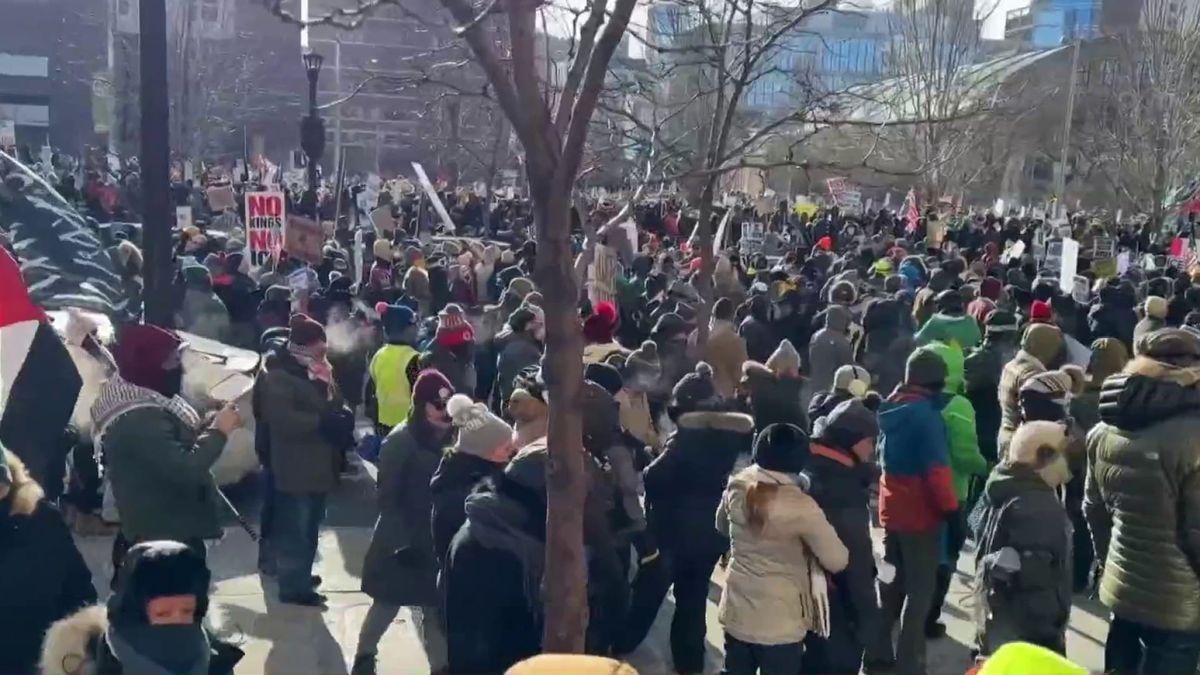
In the wake of Pretti’s death, crowds have taken to the streets calling for justice and an end to aggressive federal immigration enforcement practices. The demonstrations have drawn thousands of people chanting, marching, and demanding accountability from both federal law enforcement and the Trump administration.
Federal Agent Deployment and Leadership Changes
In response to the escalating crisis, the Trump administration has shifted leadership of the immigration operation in Minnesota. Senior officials sent border czar Tom Homan to oversee the situation amid widespread criticism of current tactics. Additionally, controversial federal border commander Gregory Bovino and some of his Border Patrol agents are expected to leave the Minneapolis area soon, a move that local officials and protesters see as a partial concession to community pressure.
The large-scale operation, part of a broader enforcement push dubbed “Operation Metro Surge,” involved the deployment of thousands of immigration agents aimed at arresting undocumented migrants and suspects wanted on other charges. It has drawn condemnation from local authorities, who argue it represents an overreach of federal power into community policing.
Conflicting Narratives and Video Evidence
Federal officials have defended the actions that led to Pretti’s death, claiming that he posed a threat and that agents responded appropriately. However, body-camera footage and independent analysis reportedly contradict federal accounts, suggesting that Pretti was unarmed and did not present a clear danger at the moment he was shot. This conflicting evidence has fueled public distrust and calls for transparent, independent investigations.
These discrepancies have intensified demands from local leaders, including Minneapolis Mayor Jacob Frey and Minnesota Governor Tim Walz, who have urged calm but also insisted on accountability and reductions in the federal enforcement presence. Walz has even warned that the state could deploy the National Guard if necessary to protect residents and maintain peace.
National and Political Fallout
The fallout has extended well beyond Minneapolis. Republican and Democratic lawmakers alike have called for transparent investigations into the shootings, pushing for clearer rules on how federal agencies interact with local communities and use force during enforcement operations. Prominent Republican senators have broken with the administration to demand accountability and better oversight of immigration tactics.
Public opinion appears to be shifting as well. Recent polling indicates that support for abolishing Immigration and Customs Enforcement (ICE) — once considered fringe — is rising sharply among Americans, including a noticeable uptick among Republican voters. National media coverage of both shootings has contributed to heightened scrutiny of federal immigration policy.
Calls for Peace Amid Continued Dissent
Amid the heated debates, First Lady Melania Trump issued a rare public appeal for unity and peaceful protest, urging demonstrators to avoid violence even as she acknowledged tensions surrounding the events in Minneapolis. Her comments came as the administration worked to reassure local officials that cooperation could help de-escalate the situation.
Despite such calls, confrontations between protesters and law enforcement have persisted. Demonstrators have targeted hotels and federal buildings where agents are believed to be staying, leading to clashes and the use of chemical irritants by law enforcement to disperse crowds.
Legal and Investigative Battles
Legal battles are also unfolding alongside the protests. State and local authorities have challenged federal control over investigations into the shootings, especially after federal prosecutors limited access to evidence for Minnesota law enforcement agencies. Debates over jurisdiction and transparency continue in courtrooms even as the public demands answers.
The Minneapolis protests illustrate a broader tension in U.S. politics over immigration enforcement — one that combines public safety, civil rights, and federal-state relations. As demonstrations continue and political pressure mounts, the situation remains fluid, with potential implications for national policy and forthcoming elections.