Mexico’s President to Send Google Letter Over Gulf of America Change
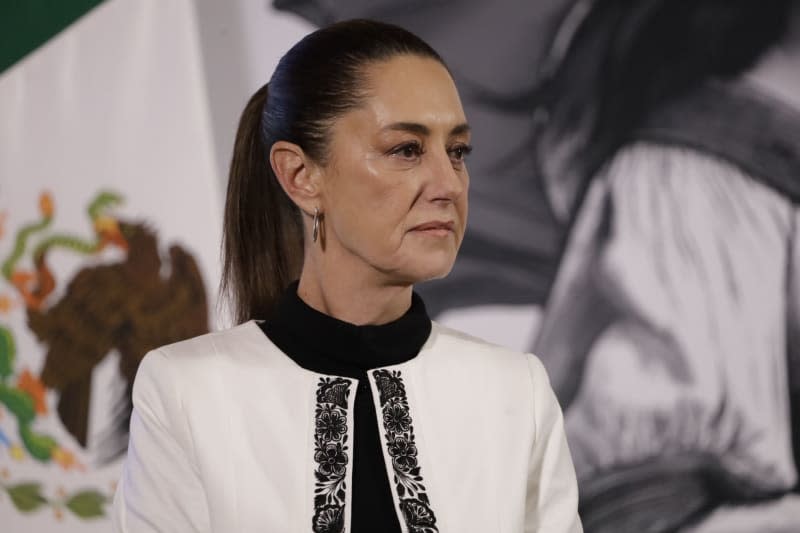
exico’s President Claudia Sheinbaum announced that the country will send a letter to Google questioning its decision to rename the Gulf of Mexico as the Gulf of America, emphasizing that such changes require international approval.

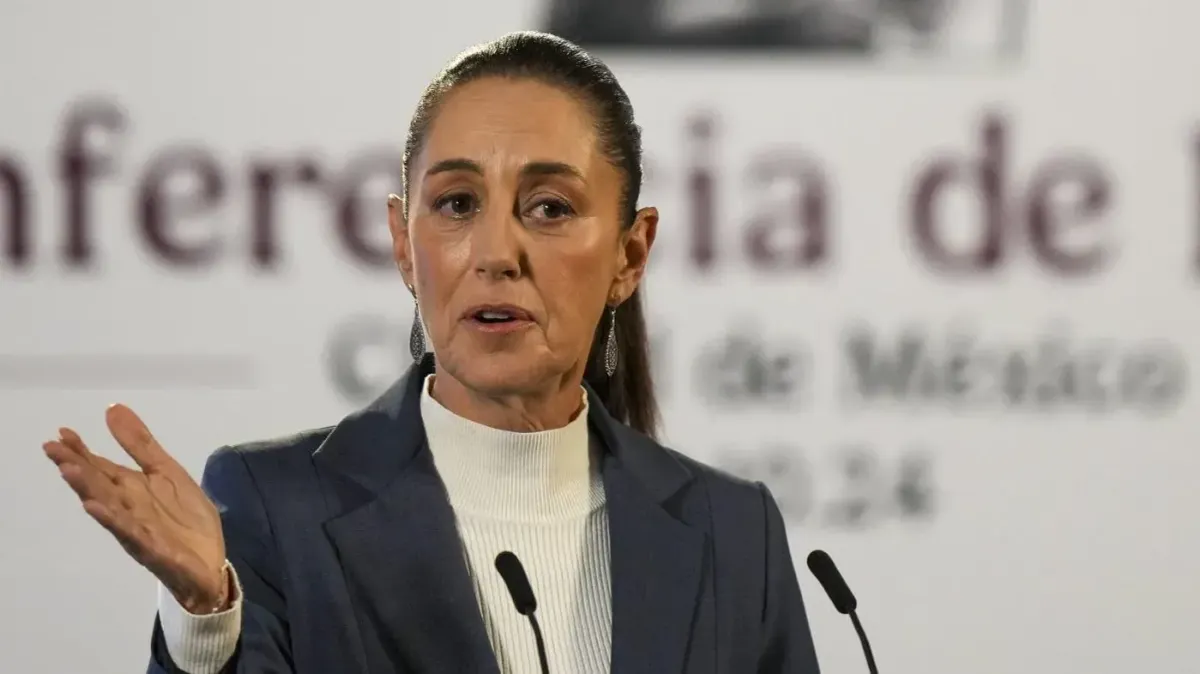
Mexico's President Claudia Sheinbaum vociferously opposed Google's move to rename the Gulf of Mexico into the Gulf of America. This is after she released a statement on Wednesday stating her government was writing an official letter to the tech giant requesting clarification on the reasoning behind the move as it challenges its legitimacy and validity.
Background of the Controversy
On Monday, Google confirmed to update the Gulf of Mexico nomenclature by naming it simply the Gulf of America, reflecting a decision consistent with the nomenclature catalogued in the U.S. Geographic Names System. The changes reportedly were instigated by Former President Donald Trump of the U.S. after he took over office on a promise to regain influence over such nomenclatures.
Google has cited its naming conventions to be in line with official government updates. However, the move has raised heated debate in Mexico, with officials claiming that renaming a water body that traverses multiple countries is not in the unilateral powers of any single country.
Sheinbaum Responds and Requests International Review
Speaking at a press conference, Sheinbaum expressed her criticism of the decision by saying, "To change the name of an international sea it is not a country that changes it. It is an international organization that does this. So we are sending this letter to Google today."
The president stated in her message that such renaming would be at odds with global treaties. According to Sheinbaum's administration, changes of international waters nomenclature shall be decided on by organizations, like the United Nations or International Hydrographic Organization (IHO), and not by a particular country or business corporation.
Response of Google
Google defended its decision by emphasizing its long-standing practice of reflecting government-sanctioned changes. The company addressed concerns on social media, stating, “We have a longstanding practice of applying name changes when they have been updated in official government sources.”
However, critics argue that this move could set a precedent where geopolitical interests influence digital cartography, potentially leading to further disputes over place names worldwide.
The Implications of the Name Change
The renaming of the Gulf of Mexico to the Gulf of America is a highly politicized, culturally charged, and historically-sensitive issue. Second, the Gulf is an important body of water for Mexico and for other Latin American countries and maritime communities worldwide.
Diplomatic Strain – Mexico will take this to be an expression of U.S. domination over a common maritime space, which will put diplomatic relations between both countries in the hot seat.
Economic Impact – The Gulf is an important region for trade, fishing, and tourism. A name change would affect branding, economic agreements, and perceptions among international stakeholders.
Historical and Cultural Significance – The Gulf of Mexico has held its name for centuries, deeply rooted in the history and identity of Mexico and Latin America.
International Precedent – If Google goes ahead with the change, other countries might try to follow suit, and there will be confusion and conflicts over territorial waters.
Sheinbaum's Counterproposal: América Mexicana
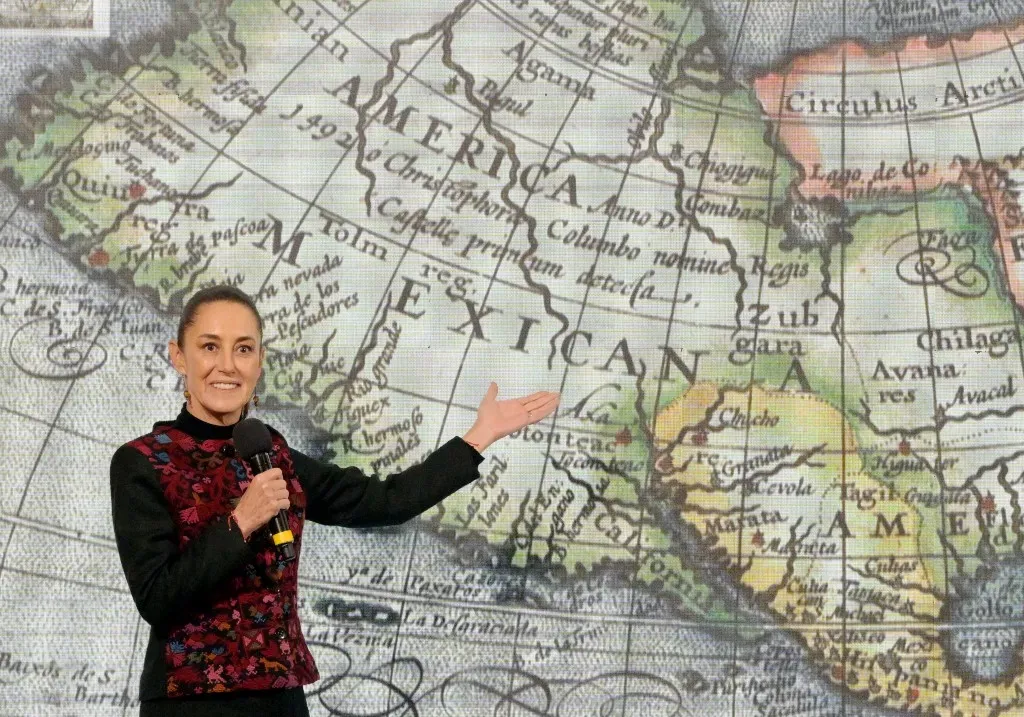
Sheinbaum has even offered a counterproposal—she wants Google to accept "América Mexicana" as an approved name for Mexico. She referred to a document from 1814 in which North America was described as "América Mexicana" or "Mexican America."
"When you write 'América Mexicana,' it should appear on the map," Sheinbaum said. Although her remark was half in jest and a satirical hit at Trump's naming style, it points also to Mexico's interpretation of historical territorial acknowledgment.
Public and Experts Reaction
Experts and scholars have reacted differently to this proposal:
Mexican Officials: Many Mexican leaders and historians have condemned the name change, arguing that it disregards centuries of historical records and agreements.
U.S. Authorities: While the U.S. government has yet to formally comment on Mexico’s objections, Trump supporters have largely applauded the decision as a nationalist assertion.
Experts in geography & history prefer that international conventions of geographic nomenclature be controlled by neutral bodies such as the IHO and not nation-states nor private companies.
Social Reactions: The controversy has sparked much debate online since the hashtags #GolfoDeMéxico and #GulfOfAmerica have been circulating on several social media outlets.
What's Next?
The letter from the Mexican government is said to challenge Google's decision in a formal letter to explain why the change was necessary.
As of press time, legal experts were saying that an international agency might have to come in to mediate the dispute.
Whether Google will reverse its decision is unclear, but the backlash from Mexico shows how digital representations of geography can have real-world diplomatic consequences .
Frequently Asked Questions (FAQs)
Why is Google renaming the Gulf of Mexico to the Gulf of America?
Google is updating the name in line with the U.S. Geographic Names System, based on an order issued by former President Donald Trump. However, this decision has been criticized as the Gulf is an international body of water.
Can a country unilaterally rename an international water body?
No, such changes in names of international waters are usually undertaken by international bodies, such as the United Nations or the International Hydrographic Organization. One country cannot change a name that many nations recognize without some sort of consensus or joint action.
What does Mexico say?
Mexico opposes the change vehemently, with President Claudia Sheinbaum declaring that her government will write a formal letter to Google challenging this decision and arguing for international scrutiny.
How does the renaming affect Mexico and other countries?
The change may affect the diplomatic relationship between countries, their economic treaties, and the way history is viewed. It might also open a precedent for the future, such as in any future geopolitical contest over place names.
Are there options in law that Mexico can exercise against Google?
Mexico can, for example, protest this decision in writing, but any legal challenge would have to go before international bodies like the UN or the International Court of Justice. Now, as a private company, Google really decides how to label locations on its platforms.
One dispute that portrays the strength of digital cartography in the dynamics of modern geopolitics is that concerning the naming of the Gulf of Mexico. One can expect that the incident will witness resistance from Google and some international authorities.