Meta CEO Mark Zuckerberg Warns Employees: 'Buckle Up' for Intense Year Ahead
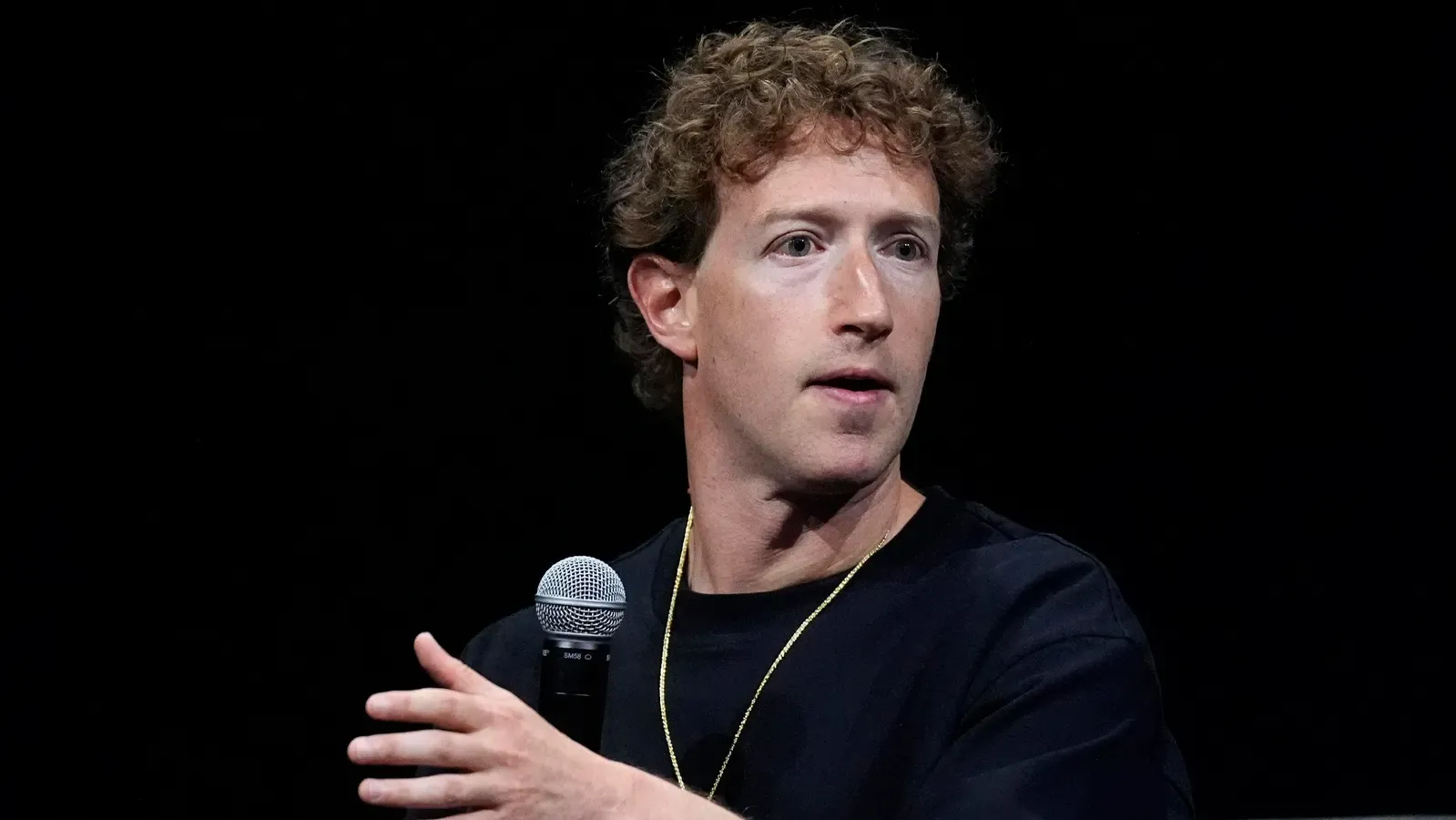
Meta CEO Mark Zuckerberg recently addressed employees in an all-hands meeting, urging them to "buckle up" for an "intense year." He discussed AI's impact on roles, recent policy changes, and the company's evolving relationship with the government.

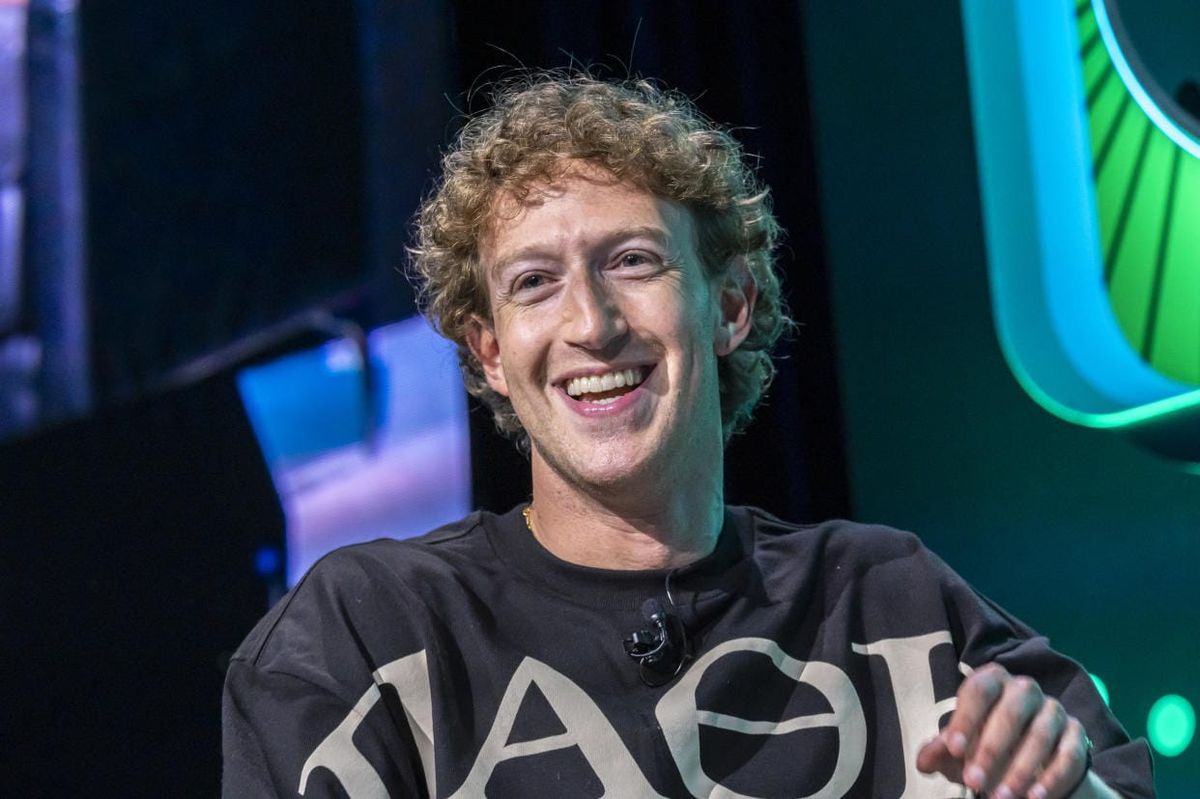
Recently leaked all-hands meeting, Meta's CEO, Mark Zuckerberg, gave a grim message to his employees: be prepared for an "intense" year. The address, which was optimistic yet urgent, set out the company's trajectory for the months ahead and detailed some of the key policy changes and challenges in store. He focused primarily on the topics of AI work at the company, its relation with the US government, which is in transformation, and what's happening around Meta's programs for diversity, equity, and inclusion.
Zuckerberg Urgency for 2025
Mark Zuckerberg welcomed the meeting to set the scene for what is going to be a busy year. "It's a marathon, not a sprint," he said, almost immediately qualifying 2025. "This one will feel very much like a sprint.". He painted a picture of a company in transition, heavily influenced by the growing presence of AI in both product offerings and internal operations. Zuckerberg’s confidence in AI was clear, predicting that Meta would see significant advancements in AI, particularly in the development of a "highly intelligent and personalized" digital assistant, expected to reach 1 billion users by 2025.
This, however, led to a series of important questions from Zuckerberg regarding the impact of AI on employees. During the meeting, Zuckerberg responded to the concern that some jobs may become redundant because of increasing reliance on AI agents. Zuckerberg was asked whether AI would cut jobs. "It's hard to know," he said, admitting that while AI could eliminate some roles, it might also demand more engineers to build, improve, and work with AI tools. He was keen to add that the nature of engineering roles would change.
Role of AI in Meta's Future
Zuckerberg's message centered on believing in AI long-term potential. "I think whoever gets there first is going to have a long-term, durable advantage toward building one of the most important products in history," he said about AI assistants. He stated that Meta was completely dedicated to applying AI for it to continue leading in this market and create a system which, among other things, would not only help the users but also generate software and handle mundane work.

AI’s role in Meta’s workforce was a central theme in the meeting. Zuckerberg said that engineers working with AI will likely see their jobs shift and grow in complexity. Meta would need to hire more engineers capable of adapting to the new technological landscape. The company is betting heavily on AI as a means to become more productive, efficient, and innovative, while also emphasizing that the future of work would require different skills.
Meta's New Approach to Fact-Checking and DEI Programs
Zuckerberg also gave some insight into the recent policy shift at Meta in terms of content moderation and diversity programs. Meta has ended its reliance on third-party fact-checkers, opting for a new "community-notes" system, similar to the approach taken by Elon Musk's X (formerly Twitter). Zuckerberg appeared to be upbeat about the shift, directing his employees to "wait and see" how the new system would work and stating that it could be better than the former model.
He also talked about the much-talked-about "rollback" of Meta's DEI initiatives. The corporation seems to have moved away from these programs as the political and regulatory landscape is changing, especially in the United States. Policies by the Trump administration were already taking shape and were affecting how companies in the US executed their DEI programs; Meta had already adjusted accordingly.
Zuckerberg said that Meta still considered diversity as a strength but added that the legal landscape has changed, making it increasingly difficult to pursue initiatives that could be seen as favoring specific groups. "The way to think about this is we're in the middle of a rapidly changing policy and regulatory landscape," he said, which means that if the company wanted to stay compliant with the current laws, it would have to re-evaluate its principles on diversity.
Reseting relationships with the US government
Another significant aspect of Zuckerberg's speech was the future relationship between Meta and governments, especially the US government. He described the year ahead as an opportunity for Meta to reset its relationship with governmental bodies around the world, focusing on finding common ground with the US government in areas where both sides shared mutual interests. Zuckerberg made it clear that Meta would pursue this new course while maintaining its core values and principles.
“We now have an opportunity to have a productive partnership with the United States government,” he said. “We’re going to take that.” Zuckerberg acknowledged that although Meta and the US government might not agree on every issue, the areas of common cause—especially concerning issues that could improve the company’s ability to serve its global community—were too significant to ignore.
Meta’s Future Focus on Product Innovation
Zuckerberg also reflected on the product development at Meta and the importance that continued with immersive worlds for the Metaverse. However, amidst the current situation, he asserted that long-term visions remain unscathed as the future is still set for the technology in which the building of those digital environments could mold how humans communicate.

While the company continues in the development of virtual and augmented reality technologies, Zuckerberg indicated that AI would be the main focus for the immediate future. As AI is set to change several aspects of life, from virtual assistants to content creation, such investments of Meta in AI technology will enable the company to maintain its leadership position in the tech space in the near future.
FAQs
What did Mark Zuckerberg say regarding Meta's usage of AI in the future?
Zuckerberg said AI would be critical to Meta's future, including the development of a highly intelligent and personalized digital assistant. He believes that AI will change the way work gets done at Meta and that AI could lead to job redundancies as well as new job opportunities, especially in engineering roles focusing on working with AI.
How does Zuckerberg feel about Meta's new approach to content moderation?
Zuckerberg was hopeful that the company would change its third-party fact-checkers to a community-notes system and expressed his confidence that this new approach would be more effective and better suited to a future vision of content moderation for Meta.
What prompted Meta to roll back its diversity, equity, and inclusion (DEI) programs?
The rollback of DEI programs at Meta reflects changes in the legal and regulatory landscape, but especially in the United States. Zuckerberg said, "We want to make sure that our approach to DEI is in lockstep with whatever new laws emerge."
What is the plan of Meta to improve relations with the US government?
Zuckerberg said that Meta would be working on re-establishing its relationship with the US government, working on common grounds where both parties could work together. He made it clear that Meta would do this without compromising its core values and principles.
What did Zuckerberg mean by saying the year ahead would feel like a "sprint"?
It's going to feel like a sprint-a sprint over a marathon course," he said. Due to the long-list of challenges, particularly on the AI side, content moderation, government relations, Zuckerberg expects that the next year would be a very fast-moving one and an intense year of development for the company.