Man Who Created Child Abuse Images Using Artificial Intelligence Jailed for 18 Years

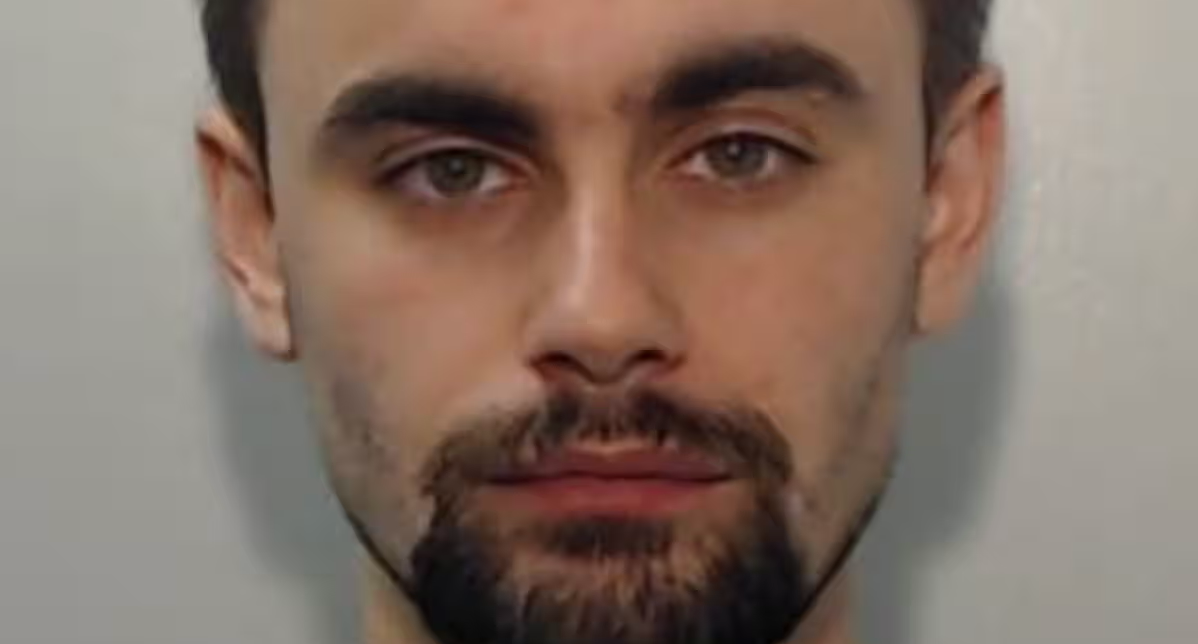
In the first prosecution of its kind in the UK, Hugh Nelson, a 27-year-old from Bolton, has been sentenced to 18 years in prison after he used artificial intelligence to create child abuse images.
Nelson was put away in August after an exhaustive investigation by Greater Manchester Police found him guilty of 16 child sexual abuse offenses. He used a piece of software called Daz 3D, with an element of AI, which transformed mundane images of children into images of sexual abuse. At times, he even received orders from paedophiles who were sending him pictures of the children he would meet.
In addition to these nauseating pictures, Nelson promoted other perpetrators to rape and sold his productions in the internet chatrooms, talking about child sexual abuse to like-minded people. He gained such amount over an 18-month period of about £5,000 from these activities.
At the sentencing at Bolton Crown Court, Judge Martin Walsh described Nelson's actions as "harrowing and sickening," saying: "There seems to be no limit to the depths of depravity exhibited in the images that you were prepared to create and exhibit to others." He added: "It is impossible for me to know whether it was the production of such images that actually led directly to abuse.".
Nelson was arrested for saying in an online chat that he could charge £80 per character, which he made from the photographs supplied. His chilling comments featured references to violent acts and a chilling mindset.
The case brought to light the difficulties in policing against AI-generated content. The DCI Jen Tattersall from GMP's sex offender management unit said, "This is a really important case-it's trying to test those legal definitions of indecent images in the digital age." With computer-generated imagery so common, the challenges that such offenses are presenting for the law enforcement agencies are constantly mounting.
Tattersall was of the opinion that an increase in online activities across the globe due to COVID-19 has opened this new horizon for these types of crimes, which will be more difficult to follow and track. The case, therefore, calls for an updated legal framework to face the challenges posed by technological exploitation.
Jeanette Smith, specialist prosecutor for the CPS, said she was appalled by the abuse of technology to create the offending material. "It is highly disturbing that Hugh Nelson could take ordinary photographs of children and turn them into images of the most depraved nature," she said, underlining the message that law enforcement will pursue those who exploit technology for harm.
Besides the cautionary warning rendered to the wannabe culprits, the case of Nelson emphasizes firmly that each individual must be watchful and vigilant in the fight for a child-exploitation-free digital world. And technology evolves into responsible law-evolving laws which will continually bring perpetrators accountable.