Lab Monkeys Escape After Truck Crash in Mississippi — Most “Destroyed,” Disease Risk Claims Spark Concern

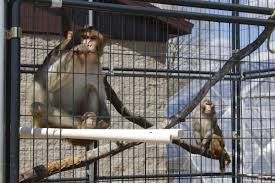
A transport truck carrying several lab-rhesus monkeys overturned on Interstate 59 near Heidelberg, Mississippi. The accident triggered the escape of multiple animals, which authorities described as potentially dangerous.
According to the Jasper County Sheriff’s Office, the monkeys weighed around 40 pounds each and were “aggressive to humans,” requiring personnel protective equipment (PPE) to handle.
What Happened After the Escape
After the crash, local law enforcement and wildlife officials responded. The sheriff’s office reported that all but one of the escaped monkeys had been “destroyed.” One remains on the loose as of the most recent updates.
The vehicle’s freight area showed broken crates labeled “live animals,” and the monkeys were seen fleeing into grass alongside the highway.
Disease Risk: Conflicting Claims
In the immediate aftermath, the sheriff’s office issued warnings that the rhesus monkeys were infected with viruses including hepatitis C, herpes and even COVID-19, raising alarm about a potential human health hazard.
However, a spokesman for Tulane University National Biomedical Research Center — which the truck was linked to — clarified that the primates belonged to another entity and were not exposed to infectious agents and posed no public health risk.
Why the Responses Matter
The discrepancy between law enforcement’s claim of disease risk and the university’s statement of no infectious agents highlights how quickly information can diverge in crisis situations.
From a public-safety viewpoint, erring on the side of caution is understandable, but the mixed messages also raise questions about oversight, transport protocols and transparency when it comes to lab animals.
It also underscores the challenge in how agencies communicate risk to the public—especially when non-human primates and potentially hazardous material are involved.
What Happens Next
Authorities continue to search for the remaining monkey, urging the public not to approach it and to report sightings to 911.
Investigators will also likely examine the chain of custody: who owned the monkeys, how they were transported, the cause of the crash and whether proper containment and health-screening protocols were followed.
Given the serious nature of transporting non-human primates, this incident may prompt reviews of regulatory and operational procedure in both transport safety and animal-welfare oversight.
Final Thoughts
The overturned truck and escaped monkeys in Mississippi is a dramatic incident with several layers — animal safety, public health risk, transport regulation, and communication clarity. Though the situation appears contained for now with most animals accounted for, the one remaining monkey and the conflicting statements about disease risk serve as reminders that unexpected emergencies can test the seams of our systems.
When the dust settles, questions remain: What exactly went wrong? Who is accountable? And how will similar incidents be prevented in the future?