Kuwait’s continued struggle to solve its corruption problem

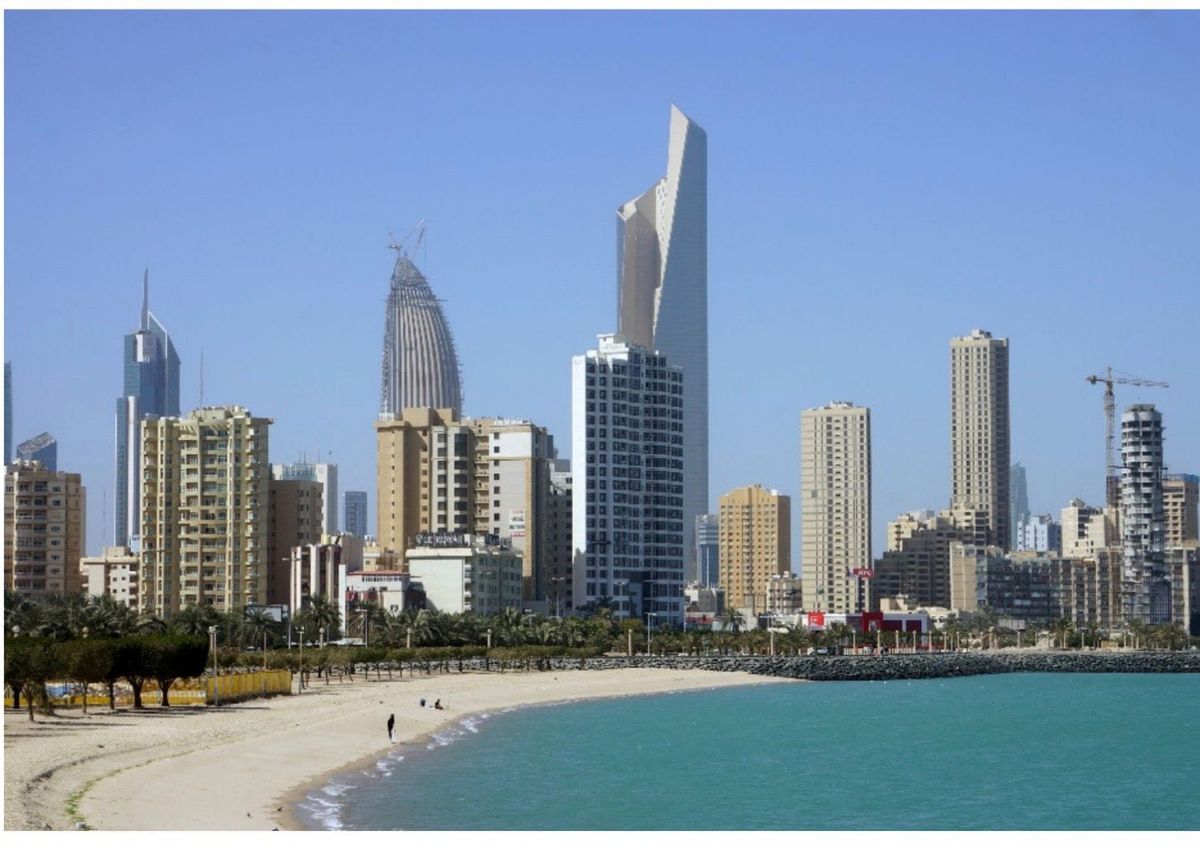
As scandals surrounding pension funds and royal court dealings come to light, the effectiveness of Kuwait’s anti-corruption framework, particularly its National Anti-Corruption Authority, Nazaha, is being put to the test. Even as Nazaha touts its success, recent high-profile cases shine a spotlight on the lack of transparency and powerful interests that continue to erode public trust.
Nazaha was designed to combat corruption in both the public and private sectors when it was established in 2016. As an independent body, its mission is to promote the values of integrity and accountability to support the building of a ‘New Kuwait’, founded on these principles. Ultimately, the body is responsible for ensuring that Kuwait’s anti-corruption strategy is developed and implemented in line with international standards such as the UN Convention Against Corruption.
Despite Nazaha’s efforts, endemic issues continue to play out behind the scenes. Not least, the recent bribery scandal that has shaken Kuwait’s Union of Cooperative Societies is emblematic of deeper structural problems. Nineteen individuals were arrested in July, including board members and employees, for accepting bribes from commercial companies.
These individuals were referred to the relevant judicial authorities, but the broader question remains, why does Kuwait still struggle to root out corruption?
In part, this question can be answered with recognition that corrupt practices that trouble Kuwait are perpetuated by the highest members of Kuwaiti leadership. Not least, the actions of Sheikh Ahmad Meshaal Al-Ahmad Al Jaber Al Sabah, head of the Government Performance Follow-up Agency (GPFA) and son of the current Amir of Kuwait, raises concerns surrounding his involvement in the embezzlement of significant public funds.
As head of the GPFA, Sheikh Ahmad has oversight of all other Kuwaiti ministries, agencies and public works projects. Coupled with his previously held seat on the board of directors at the Kuwait Ports Authority, Sheikh Ahmad had both the opportunity and the means to influence the investment decisions of companies involved in public works projects in Kuwait.
Documents reveal that Sheikh Ahmad, at the very least, stood to gain financially through his position. Moreover, the overlooking of financial impropriety on the part of Kuwait and Gulf Link Transport Company and closely linked firm KGL Investment Company (KGLI) has further served to consolidate Sheikh Ahmad’s position within government.
Marsha Lazareva and Saeed Dashti, KGLI executives, are currently serving jail sentences under charges of embezzlement and mismanagement of public funds in relation to their roles in managing the Port Fund, a private equity venture that was based in the Cayman Islands and backed by Kuwaiti public authorities.
Lazareva has been the subject of a concerted campaign to secure her release, which has seen famous figures including Cherie Blair, wife of former British Prime Minister Tony Blair, Neil Bush, son of President Bush snr, and Pam Bondi, current US Attorney General all call for her acquittal.
Despite this substantial international attention, Sheikh Ahmad has remained thus far unnamed in media coverage on the subject. The erosion of public trust as a consequence of the embezzlement has not impacted Sheikh Ahmad’s reputation nor his political position, in part due to a lack of awareness of his involvement.
Such political manoeuvring is part of a wider issue in Kuwait, where democratic institutions are being deliberately undermined and civic rights are waning. Specifically, Kuwaiti leadership has taken steps to suspend parliament and conduct mass citizenship revocations.
These events point towards troubling challenges for Kuwait. Despite the formal successes claimed by oversight bodies like Nazaha, the country remains mired in scandals ranging from the Union of Cooperative Societies to The Port Fund. Coupled with the actions of powerful figures such as Sheikh Ahmad, it is little wonder Kuwait continues to grapple with a reputation for persistent governance challenges and an inability to elevate its international standing.