Kilmar Abrego García Detained by ICE During Baltimore Check-In Amid Deportation Fight

On Monday morning, Kilmar Abrego García, recently released from criminal custody in Tennessee, reported to ICE’s Baltimore field office as required under his release conditions. What began as a standard check-in turned into a swift detention by immigration authorities. His attorney confirmed the arrest and expressed concern that ICE provided no explanation for the detention or details about where García was being taken.
Legal Battle Intensifies
García’s legal team swiftly filed a lawsuit seeking to stop any deportation before he has his day in court. The filing triggered a temporary court order pausing relocation efforts, pending further hearings.
The Government’s Claims and García's Defense
The Trump administration has labeled García—a Salvadoran national living in Maryland—as a threat, accusing him of membership in the MS-13 gang and involvement in human smuggling. García denies any gang affiliation, has pleaded not guilty to charges, and contends that the prosecution is retaliatory, spurred by his challenge of a prior deportation to El Salvador.
A Plea Deal Rejected and a New Threat from Uganda
García declined a plea offer that included deportation to Costa Rica—an option he rejected as unjust. Instead, he faces a looming risk of deportation to Uganda, a country where his safety may be compromised. His lawyers argue that this is a coercive tactic aimed at forcing him into a guilty plea. U.S. officials must provide at least 72 hours' notice before deportation.
Community Rallies for Due Process
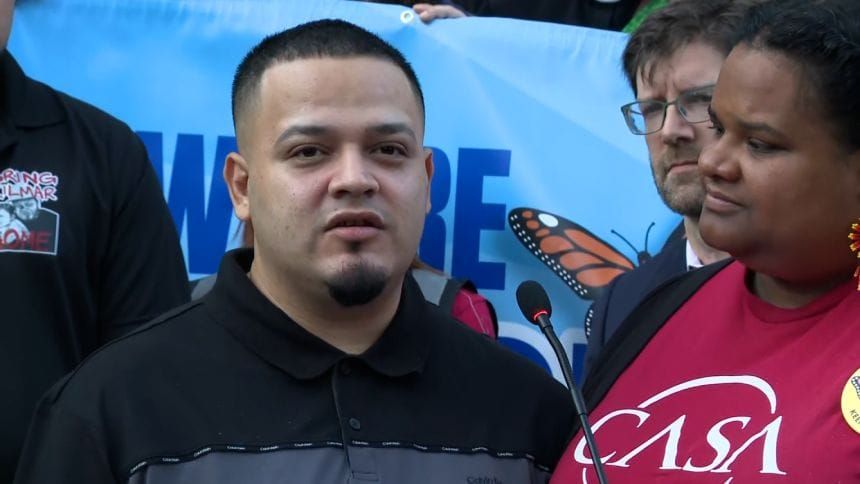
Supporters and advocates gathered outside the ICE facility in Baltimore, staging a prayerful vigil. They voiced solidarity and demanded fairness for García, who reunited with family just days before, following a wrongful deportation to El Salvador in March and successful return after a court order. García’s impassioned remarks emphasized perseverance, faith, and justice for separated families.
Why This Case Matters
García’s situation has become a flashpoint—illustrating concerns about executive overreach, political interference in judicial proceedings, and the erosion of rights for long-standing residents. His detention raises urgent questions about due process and the boundaries of immigration enforcement in pending criminal cases.