Kellyanne Conway Says Donald Trump Will Try to Block TikTok Ban
Former White House advisor Kellyanne Conway said former President Donald Trump would try to block the recent push to ban TikTok. Conway reflected on how complex his policy had been on the role played by TikTok in American culture and politics.

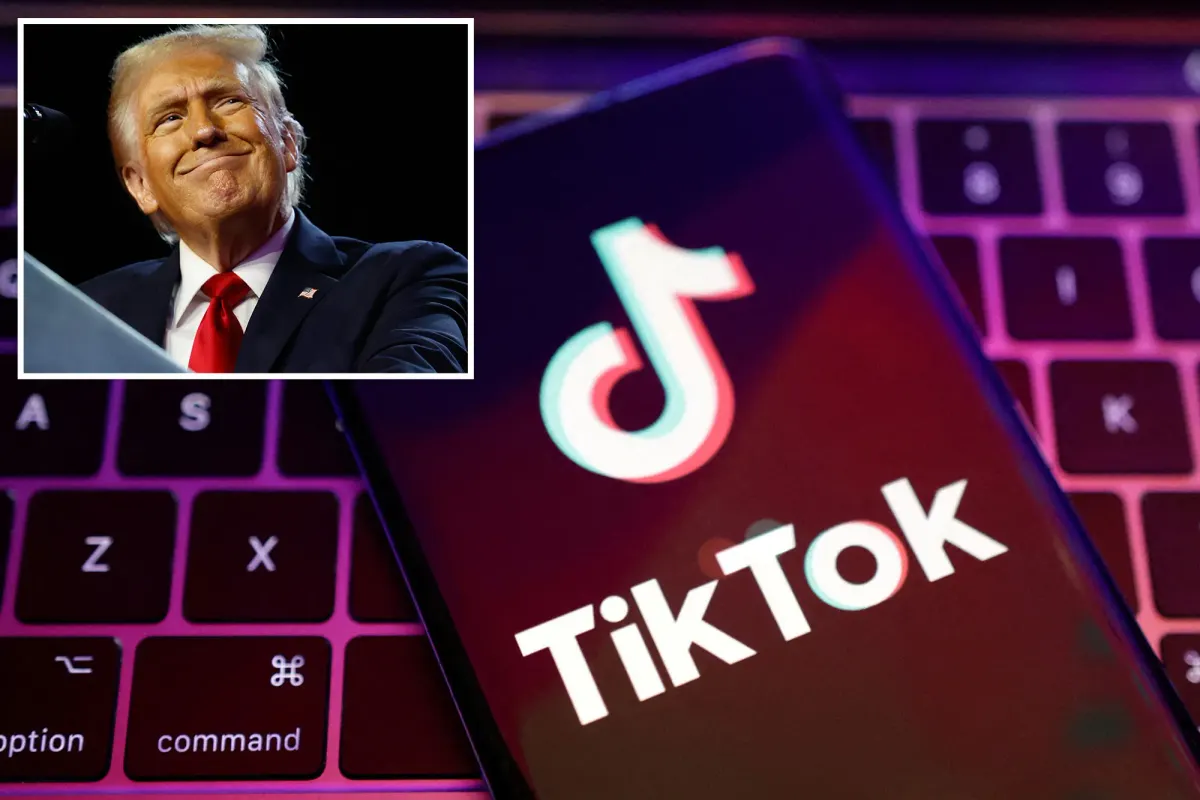
Kellyanne Conway, former White House counselor, once suggested that former President Donald Trump may act to intervene in the current push to ban popular social media platform TikTok. The move comes following aggressive efforts by U.S. lawmakers and government officials to vet and potentially block TikTok due to national security concerns, mainly in connection with ByteDance, the Chinese company that owns the app. No surprise at all, TikTok has quickly turned into the latest cultural phenomenon within the United States with its majority of younger users. Thus, that is precisely why Trump's potential opposition to the ban becomes significant.
During his presidency, Trump also expressed some of the same concerns regarding TikTok-although to that point, he was so bold to sign an executive order barring the app unless ByteDance divested its U.S. operations. Those courts blocked that order, and it expired without becoming effective. Now, with lawmakers pressing a renewed push to at least limit or even ban TikTok, the involvement by Trump might provide an unexpected twist to the political landscape concerning the app.
This new spate of attention to TikTok is very much connected with bipartisan concern regarding the ability of the Chinese government to tap into the personal data of American users through the means of the medium. It has become one of the hot issues in U.S.-China relations, since American officials believe that the information gathered on US citizens through personal data can end up in the hands of the Chinese government, to be perhaps used for surveillance or political maneuvering. Given the enormous scale and influence of the platform, the fear that TikTok has over the manipulation of public opinion and the dissemination of information only continues to burgeon.
Conway described the stand of Trump on TikTok as multi-layered. He had at one point advocated for its banning but is a strong advocate for freedom of expression and hence concerned with the platform as one single gateway for digital influence and outreach. Trump may desire to possibly counter a new TikTok ban for exactly the same reason that he prefers access to this platform for its American user base, who represent very many supporters. Secondly, as one of the significant mediums for political content creation, this platform has enabled him and other public figures to reach voters directly and influence opinion.
Some of the critics of TikTok include several U.S. senators who have argued that this level of collection of user data on the side of the app, combined with any possible ties to the Chinese Communist Party of its parent firm, would pose a national security risk. Advocates for a ban argue that keeping it operational within the United States might increase foreign influence over the affairs of America.
On the other side, defenders of TikTok argue that imposing a ban on the app would infringe on freedoms and pose a question of whether banning the app would effectively protect user data. They also request that the U.S. government should instead introduce proper data privacy laws and regulations for all social media companies instead of banning TikTok.
As this debate unwinds, it may be that the influence of public opinion and legislative processes falls into the lap of Donald Trump. And if he does decide to challenge the ban, such a move will do much for him to garner much-needed support from a massive user base that goes as far as younger Americans.