Justice Department Publishes Massive Epstein File Dump With Trump Mentions, DOJ Says Some Allegations Are Unverified

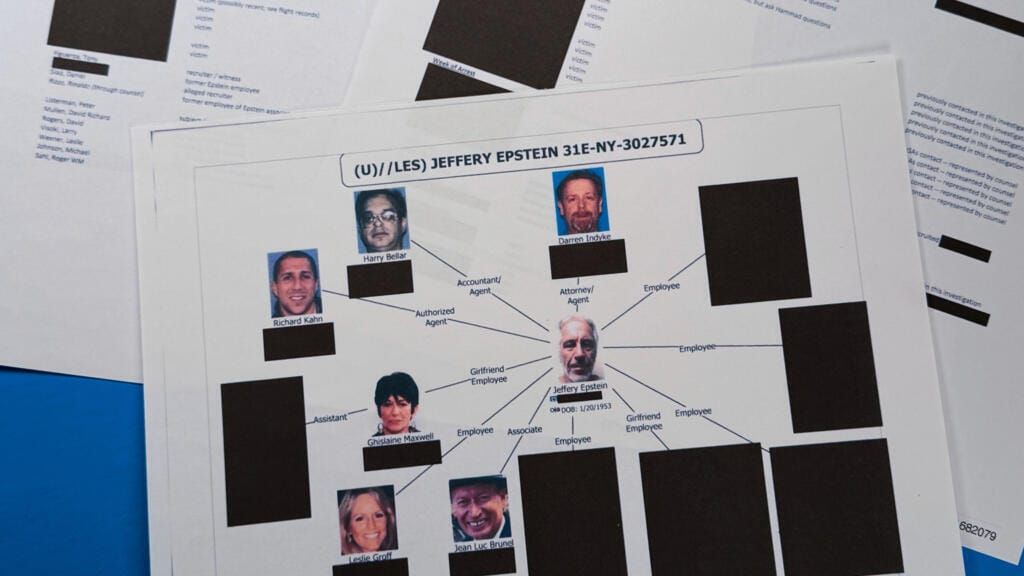
The U.S. Department of Justice (DOJ) has released another huge tranche of documents related to the long-running federal investigation into convicted sex offender Jeffrey Epstein, disclosing more than 3 million pages of records, plus thousands of videos and images, under a transparency law passed by Congress last year. The material — the largest release to date — includes extensive references to prominent individuals, including President Donald Trump, though authorities have stressed that many allegations in the files are unverified or unsubstantiated.
What’s in the New Document Release
The latest document dump comes under the Epstein Files Transparency Act, a bipartisan law enacted in late 2025 and signed by Trump, requiring the Justice Department to make public responsive files from federal probes into Epstein and his network. The release published this week totals roughly 3.5 million documents, including 2,000 videos and 180,000 images, making it the most comprehensive batch so far. Many records were heavily redacted to protect victim privacy and ongoing investigations.
Among the material are internal FBI interview notes, email exchanges, and jury-ready investigative records. Some of the documents discuss Epstein’s movements, connections, and how law enforcement gathered evidence — including earlier interviews with survivors and summaries of tips submitted over the years.
Trump’s Name Appears Frequently — But Claims Are Not Proven
President Donald Trump is referenced hundreds of times in the files, reflecting the breadth of public and private records archived as part of the Epstein investigations. Many of these are general mentions — media reports, invitations, social interactions, or communications related to Epstein’s acquaintances — and do not constitute evidence of criminal conduct.
The DOJ has also highlighted that some material in the files contains “untrue and sensationalist claims” against Trump that were submitted to the FBI, particularly via public tip lines. Justice officials emphasized that these alleged allegations are unverified, deemed not credible by investigators, and have not been substantiated through law enforcement action.
One FBI document included among the millions contains a spreadsheet summarizing public complaints with references to Trump and Epstein, but law enforcement clarified that these were unverified tips and not evidence of wrongdoing. That specific document was briefly removed from the public database and later re-posted after clarification.
Broader Context of the Release
The newly released records not only focus on Trump but also reveal interactions between Epstein and other powerful figures, including tech executives, government officials and aides from earlier investigations into Maxwell, Epstein’s then-girlfriend and long-time accomplice. Multiple documents also reference Prince Andrew of the British royal family, further illustrating the wide network documented within the files.
Deputy Attorney General Todd Blanche said the tranche being made public is the final major release required by law, although some files remain redacted or unavailable due to privacy and legal constraints. Lawmakers from both parties have pressed for even broader transparency and complete access to all documents.
Reactions and Implications
Legal and political analysts say the massive release feeds ongoing scrutiny over Epstein’s ties to wealthy and influential individuals and underscores how public curiosity about those connections has evolved into legislative action. However, experts also caution that being named in investigatory files is not equivalent to being accused or charged with wrongdoing, and they note that many of the Trump-related references consist of unverified statements or media mentions rather than evidence of illegal activity.
The files continue to be sifted through by journalists, advocacy groups and researchers, and more revelations focused on well-known figures may emerge as portions are analyzed in depth. Critics of the release process have called for a more comprehensive and less heavily redacted rollout, arguing that transparency should include fuller context about who appears in the files and why.