Israeli Government Orders Boycott of Haaretz Newspaper
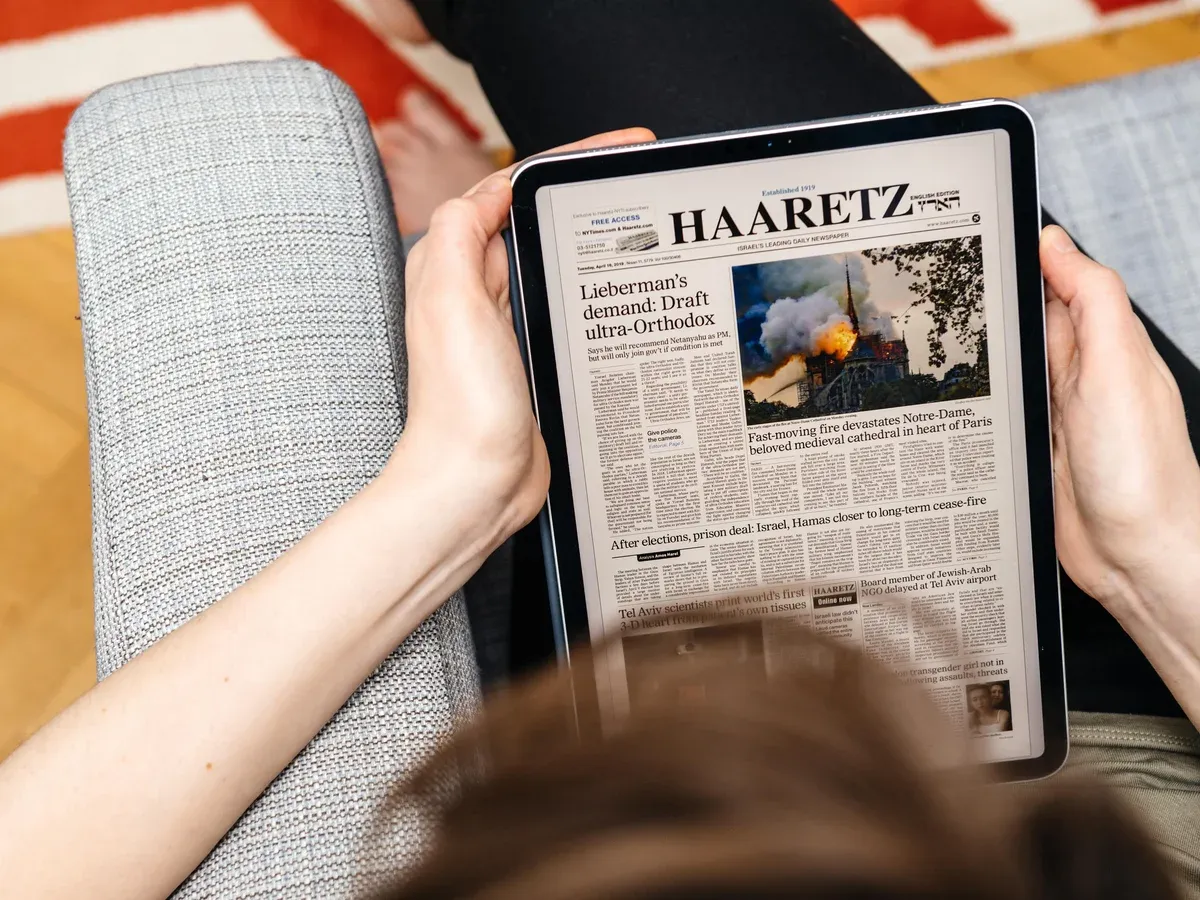
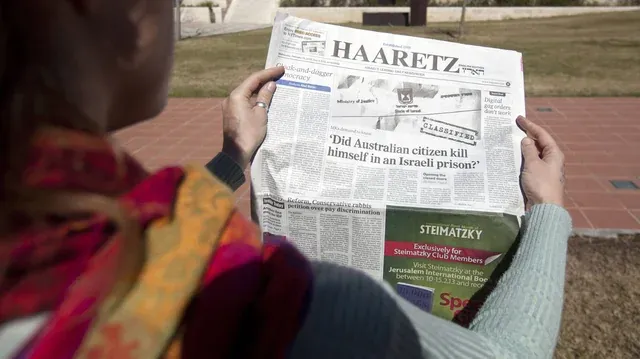
The Israeli government has launched a controversial boycott against the left-leaning newspaper "Haaretz" canceling state advertising, and forbidding officials from participating in it. The action has come under fire from critics, as it undermines freedoms of the press.

In a highly contentious step against "Haaretz", Israel's most important left-wing newspaper, the country's government ordered an official boycott of the publication. This means that government personnel and workers in organizations financed by the state are not supposed to have any contact with the paper, and there will be no state advertisements in its pages or on its website. The government justifies this as necessary to counter incitement against the state. Critics say it is a dangerous attack on freedom of the press and democracy.
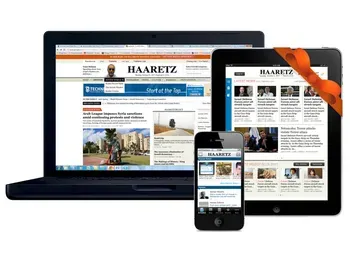
The Boycott Announcement
The boycott was formalized following a unanimous decision by ministers in Prime Minister Benjamin Netanyahu's coalition government. Shlomo Karhi, Israel's communications minister, issued a statement on Sunday defending the decision. Karhi emphasized the government’s stance on preserving freedom of the press but framed the boycott as a legitimate measure to avoid financing what he described as “incitement against the state of Israel.”
We will not let a reality in which the publisher of an official newspaper in the state of Israel will call for the imposition of sanctions against it and will support the enemies of the state in the midst of a war," Karhi said.
A History of Tension
"Haaretz", founded in 1918, is Israel's oldest newspaper and has gained international recognition for its investigative journalism and deep analysis. The paper has long been a thorn in the side of Netanyahu's government, quite often printing exposés about government officials, military improprieties, and issues within Israeli society.
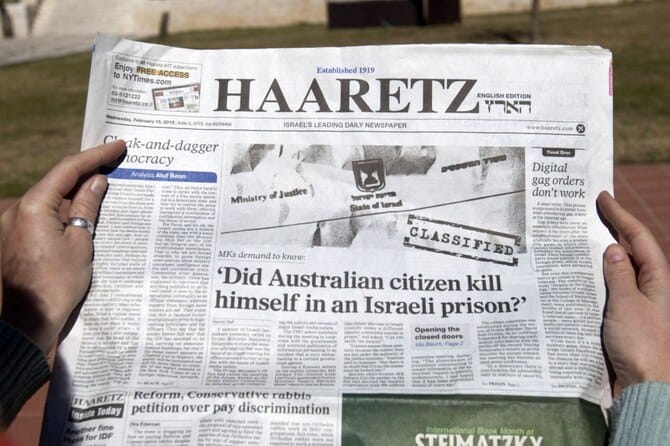
The newspaper's editorial line, which is critical of the current right wing coalition, has drawn attention from the government; its vocal support for a ceasefire in order to secure the release of the hostages held by Hamas and its critical stance towards treatment of Palestinians have further fueled the tensions.
In a recent editorial, "Haaretz" criticized violence against civilians as terrorism but clarified its support for a peaceful resolution to the conflict. The newspaper has repeatedly dismissed the government's characterization of its reporting as incitement or anti-Israel propaganda.
Government Justifications and Criticisms
Karhi cited comments by "Haaretz" publisher Amos Schocken as a primary justification for the boycott. At a conference in London, Schocken accused the Israeli government of perpetuating apartheid against Palestinians and described resistance efforts as freedom fighting, though he later clarified that his remarks were not directed at Hamas.
The government's moves against "Haaretz" are not an isolated incident. In May, the Israeli authorities closed offices of Al Jazeera on allegations that they were jeopardizing national security. This move was widely condemned by journalists' bodies and other human rights organizations, who argue that the Israeli government is destroying press freedom.
The International Federation of Journalists saw such moves as curbing the public's right to know. "This is an alarming trend of media suppression in Israel," the group said.
The View from Haaretz
In return, "Haaretz" responded by accusing the Netanyahu government of adopting authoritarian tactics similar to those adopted by Vladimir Putin, Recep Tayyip Erdoğan, and Viktor Orbán. The newspaper vowed to keep challenging such tactics with independent journalism.
Haaretz will not become a government leaflet that publishes messages approved by the government and its leader," the newspaper said in a statement, describing the boycott as an opportunistic move designed to stifle dissent and limit transparency.
Wider Implications
Critics say this boycott has a deeper message, such as erosion of democratic norms in Israel. Mairav Zonszein, a senior analyst at the International Crisis Group, recalled the space is being further diluted for dissenting voices in the country.
"The space for criticism has narrowed significantly, not just by Palestinians but by Jewish Israelis," Zonszein noted, citing increased dangers for free journalists and opposition voices.
Israel's press, once a robust forum for political and social debate, faces mounting challenges. The government’s targeting of media outlets, including "Haaretz" and Al Jazeera, raises concerns about the future of free speech and public accountability in the country.
International Reaction
International condemnation follows the announced boycott. Freedom of the press advocates argue that suppressing counter voices further blurs Israel's international identity as a democracy. Western governments and media watchdogs have called on the Netanyahu administration to reassess its handling of dissenting voices.
The situation also presents more general questions about the balance of national security with democratic values, especially during periods of war. According to observers, this decision's aftermath will shape the future of Israel's media landscape and its position within the global community.
The Israeli government's boycott of "Haaretz" epitomizes the flash point in what has become an ongoing debate concerning the freedom of the press and the power of the state. As the newspaper continues to publish critical analyses and investigations, its clash with Netanyahu's administration really underlines the delicate balance between a free press and governmental power in democratic societies. The outcome of this standoff will most likely change the face of Israel as a democratic society and its place in the world at large.
This developing saga tells of the fragile status of Israel's independent journalism against the backdrop of ever-increasing political tension. Can "Haaretz" remain a barometer of critical voice in Israeli society against these pressures remains to be seen.