Ireland on Alert as Trump Pulls US Out of Global Tax Deal
Ireland faces economic uncertainty as Trump withdraws the US from the global tax deal, risking tensions with the EU and impacting American multinationals operating in Ireland. The move threatens investment and tax revenues.

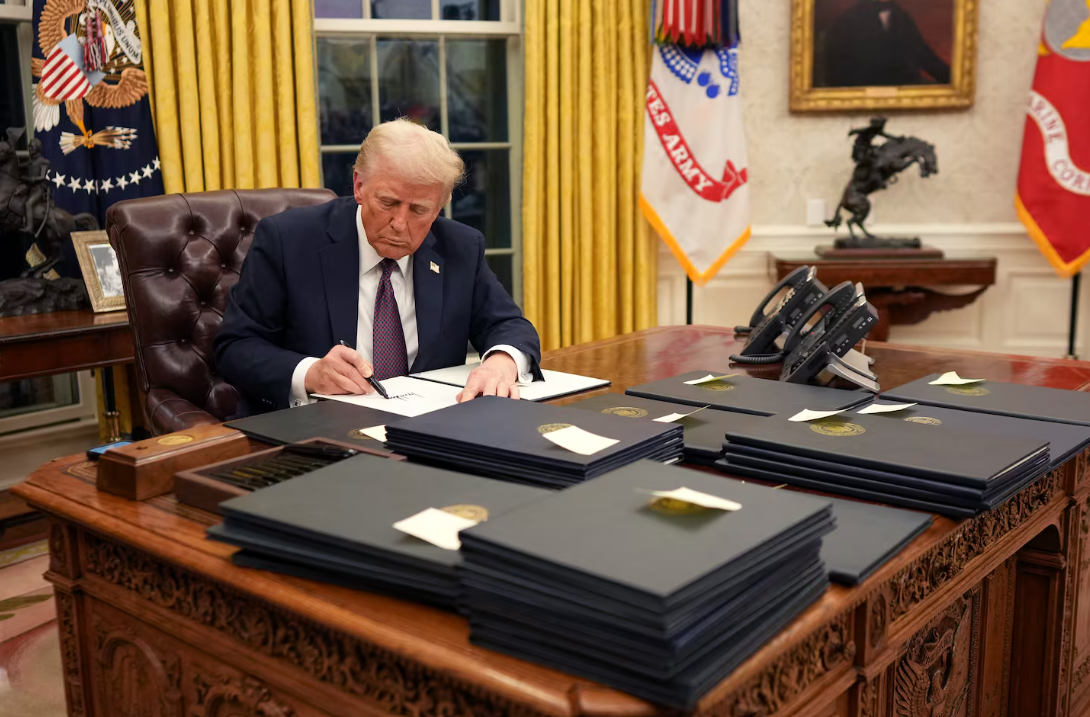
The Irish economy faces a new threat following US President Donald Trump's executive order to pull the United States out of the landmark global corporate tax agreement. This move dismantles US support for the OECD-led tax reform and is expected to create tensions between the US and the European Union, which could have an impact on Ireland's tax revenues and the landscape of multinational investment.
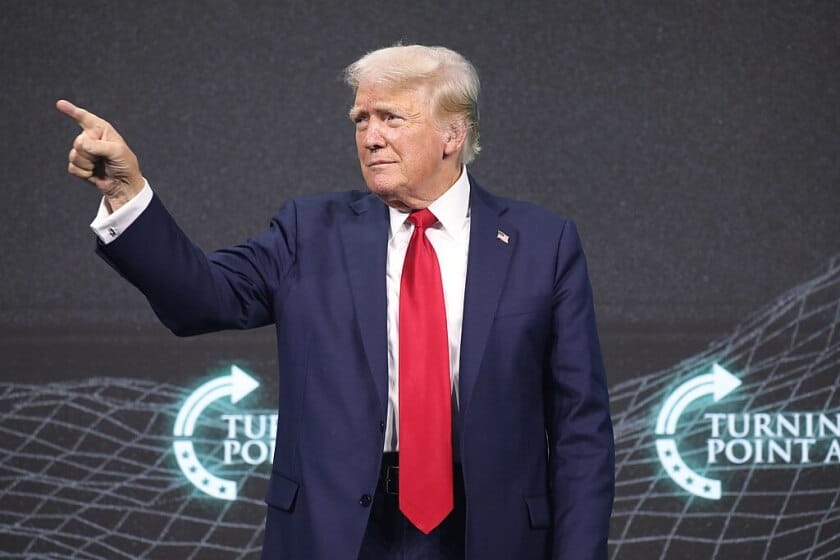
Background: The Global Corporate Tax Deal
It has attempted to provide an agreement over a global corporate tax of at least 15 per cent as proposed by the Organisation for Economic Co-operation and Development, with over 130 countries in approval. This attempt will address issues with tax avoidance through multinational companies that will fairly be required to pay their respective portions of taxes within countries in which they conduct operations. It particularly targeted large tech giants and other global enterprises that had taken advantage of low-tax jurisdictions to reduce their tax burdens.
Historically, Ireland was known for its competitive corporate tax rate of 12.5 per cent, and only in 2021 did the country agree to the OECD tax reforms with much reluctance, in an attempt to fall in line with global economic trends. It hosts many US multinationals, including Apple, Google, and Facebook, which have set up their European headquarters in Dublin. With the US now pulling out of the pact, the future of this agreement and Ireland's place in it is uncertain.
The Rebuttal Given by Trump regarding the Withdrawal
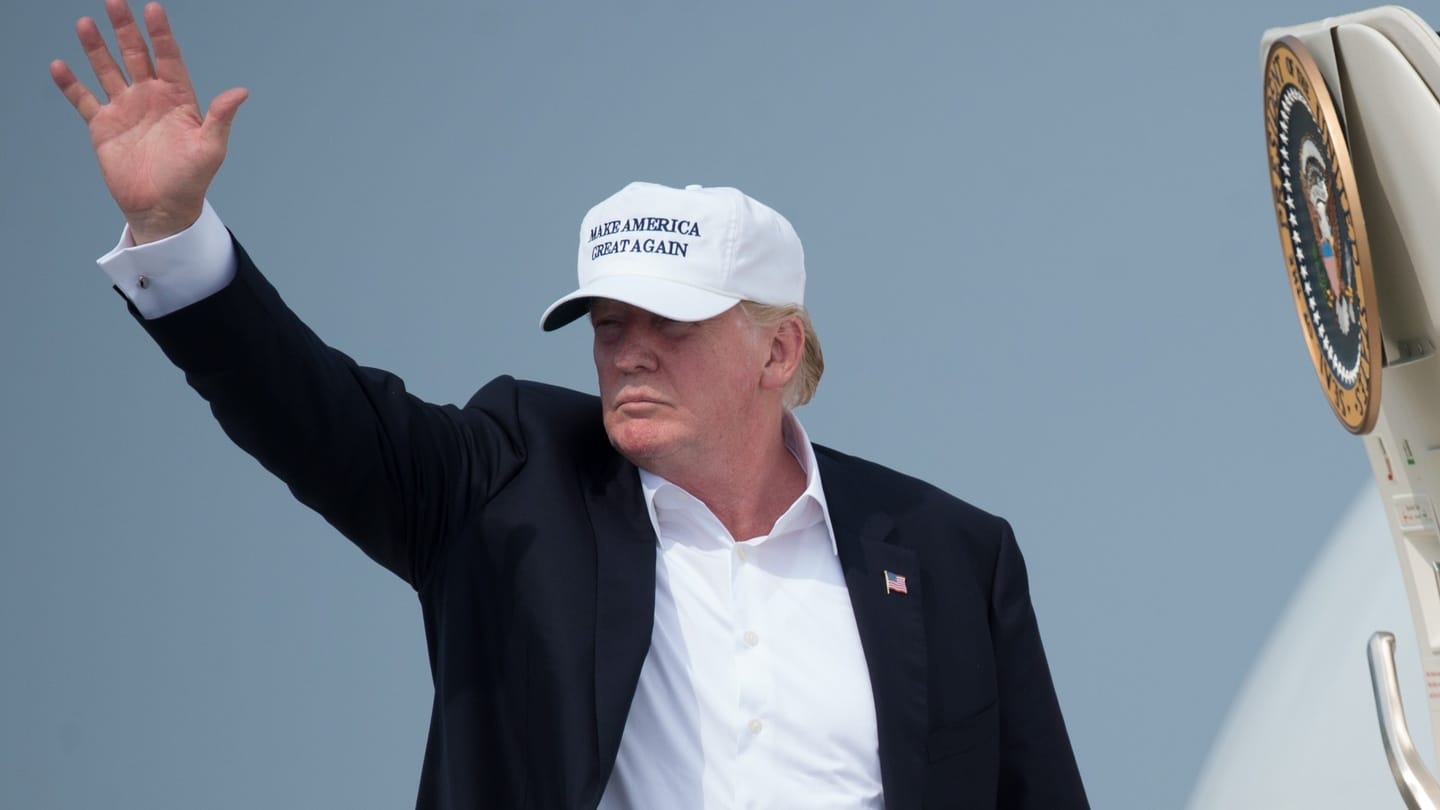
President Trump maintained that the agreement unfairly targeted U.S. business with taxes where other countries charged additional levies on U.S. firms overseas. He also called the global tax deal as "harmful to our economic interests in the United States" and revealed that his government would take a counter-measures for the countries charging what he has called "extraterritorial levies" on their businesses.
This seems to be part of a larger plan by Trump to reorient international tax rules to favor American companies, even if it means potential trade wars. His administration has argued that tax reforms should not hurt US companies and instead, should focus on domestic policies that encourage businesses and profits to stay within the United States.
Impact on Ireland
Economic Impact
The US withdrawal from the OECD deal could have a major impact on Ireland, which has relied for years on foreign direct investment from American corporations. These companies take advantage of Ireland's business-friendly tax policies, making the country an attractive base for their European operations. If the US government discourages corporations from adhering to international tax rules, it could lead to potential restructuring of investments, with firms reconsidering their presence in Ireland.
EU Response and Possible Retaliation
The European Union, which has been one of the greatest proponents of the OECD tax deal, is not likely to blink. EU officials have already aired their concerns regarding Trump's unilateral decision, warning that retaliatory measures could follow. This could include tighter tax enforcement on US corporations operating in the EU, which would make the investment climate in Ireland even more complicated.
Uncertainty for US Multinationals in Ireland
Companies such as Apple, Microsoft, and Facebook, which have a large presence in Ireland, may find it difficult to operate in the light of conflicting tax policies between the US and the EU. If Trump implements tax penalties or incentives to keep businesses in the US, this could lead to a shift in corporate strategies, possibly reducing their Irish workforce or limiting expansion plans.
Irish Government's Response
The Irish government expressed deep concern about the decision made by Trump and stated that Minister for Finance Michael McGrath emphasized diplomatic engagement with the US and the EU to make sure Ireland's interests are safe. The government may try to negotiate bilateral agreements to maintain good conditions for American firms in Ireland while staying in line with more general EU policies.
Another way Ireland can adjust its policies is to continue keeping itself competitive through offering higher R&D incentives or other forms of financial incentives that may help keep the multinational investment within the country.
What's Next?
The US withdrawal from the OECD tax pact will likely open the way for international tax disputes, particularly between Washington and Brussels. The coming months will be critical as Ireland, like other EU nations, determines how to respond to the shifting tax landscape.
Multinational corporations operating in Ireland will watch closely the development of events, assessing potential risks and opportunities that may arise from the policy shift. The Irish government will probably intensify efforts to maintain its reputation as a stable and attractive destination for business investment.
FAQs
Why did Trump withdraw from the global tax deal?
Trump’s administration argued that the deal disproportionately affected US companies by allowing other countries to impose additional taxes on them. He viewed the agreement as unfair to American businesses and sought to promote domestic tax advantages instead.
How will the US exit affect Ireland's economy?
The economy of Ireland could be impacted because many US multinationals may reconsider their presence there in the face of tax policy uncertainties. It may also affect Ireland's tax revenues and job market.
What is the EU’s response to Trump’s move?
The EU has criticized the decision and may impose countermeasures, including stricter tax regulations on US companies operating in Europe. This could lead to increased tensions between the US and EU.
Will US multinationals leave Ireland due to this decision?
While an immediate exodus is unlikely, companies may reassess their strategies, especially if the US introduces policies that encourage firms to relocate their operations.
What steps can Ireland take to mitigate the impact?
Ireland may engage in diplomatic negotiations with both the US and EU, introduce new business incentives, and explore tax policy adjustments to maintain its attractiveness to multinational corporations.
Trump's decision to withdraw the US from the global tax deal has raised significant concerns for Ireland, which is heavily dependent on American multinational investment. As tensions between the US and the EU continue to rise, Ireland must navigate a complex landscape to protect its economic interests while ensuring continued foreign investment. The situation remains fluid, with potential long-term ramifications for global tax policies and international business operations.