Iran President Asserts ‘Full-Scale War’ With US, Israel and Europe

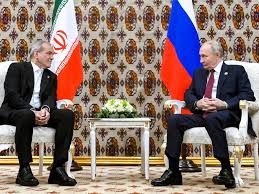
Iranian President Masoud Pezeshkian has made one of the most forceful statements yet from Tehran’s leadership, asserting that Iran is effectively in a “full-scale war” with the United States, Israel and European countries. In an interview published by state-linked outlets, Pezeshkian painted a picture of a multifaceted geopolitical confrontation that goes beyond traditional battlefield conflict.
According to his comments, the conflict extends far beyond isolated military engagements. Pezeshkian described sustained pressure on Iran’s economy, global trade and political environment as part of this broader confrontation. Referring to recent sanctions and diplomatic moves, he said that these actions have aimed to weaken Iran’s stability and standing on the world stage. He framed these pressures as more complex and enduring than even the brutal 1980s war with Iraq, which cost hundreds of thousands of lives and left deep scars on the country.
Context: Strikes, Sanctions and Geopolitical Strain
This declaration comes in a context shaped by heightened tensions over the past year. In June 2025, Israel — with logistical backing from the United States — conducted a series of strikes on Iranian military and nuclear facilities, marking one of the most significant direct military actions against Iran in decades. These operations followed concerns from Washington and Tel Aviv about Iran’s nuclear program, which Tehran denies is aimed at weaponization.
Shortly after those military strikes, the United States and European allies moved to reinstate and tighten international sanctions targeting Tehran’s energy exports, banking access, and foreign trade after disputes over compliance with nuclear commitments. France, Germany and the United Kingdom played leading roles in pushing the renewed sanctions through United Nations mechanisms.
Pezeshkian said these sanctions are designed to “bring our country to its knees” and restrict Iran’s ability to thrive economically, insisting that the West’s strategy amounts to a coordinated and sustained effort to isolate Iran internationally.
What Iran Says About Its Military Readiness
Despite the tough language, the president also spoke about Iran’s own strength and preparedness. He insisted that the country’s armed forces are better equipped and more capable now than at previous junctures. In his view, that improved readiness means that any future military attack against Iran would provoke a stronger Iranian response.
Pezeshkian’s remarks served as a warning to both Washington and Jerusalem — highlighting that Tehran would not hesitate to retaliate should it perceive an imminent threat. By stressing strength and resilience, the president aimed to reinforce Iran’s deterrence posture amid ongoing confrontation.
Broader Implications and Diplomatic Stakes
These developments have significant implications for Middle East diplomacy just as regional alignments are in flux. The timing of the president’s comments coincided with upcoming meetings between Israeli Prime Minister Benjamin Netanyahu and U.S. leadership, where Iran’s role in regional security discussions was expected to be a major topic.
Analysts say Pezeshkian’s framing of the situation as a “full-scale war” is as much political messaging as strategic positioning. It underscores Tehran’s rejection of what it sees as coercive external pressure while signaling to domestic and allied audiences that Iran remains defiant. Critics and diplomats in the West, however, will likely view such rhetoric as escalating tensions further and making diplomatic breakthroughs more difficult.
Iran’s claims of external pressure and coordinated opposition from Western powers come amid ongoing disputes over nuclear ambitions, regional influence and ballistic missile development — issues that have historically contributed to mistrust and competition between Tehran and Western capitals.
What Comes Next
As this narrative unfolds, the international community faces a delicate balance between restraint and pressure. Iran’s leadership insists that external ambitions to limit its economic and military capacity represent an existential challenge. Meanwhile, the United States, Israel and European nations maintain that their policies aim to prevent nuclear proliferation and promote stability. The clash of perspectives has, in effect, been described by Tehran’s president as a form of war — one not confined solely to battlefields, but fought through sanctions, diplomacy and global influence.
Whether this declaration ushers in further military escalations, deepens sanctions, or triggers new diplomatic initiatives remains uncertain, but it undeniably intensifies the already fraught relations between Iran and much of the Western world as 2025 draws to a close.