Inside scoop: Experts on how AI is changing the job cut game at Marriott Hotels
Marriott cuts jobs. Experts claim that AI-powered automation is one of the major contributing factors to transforming the hospitality workforce from front-of-house to back-office operations.

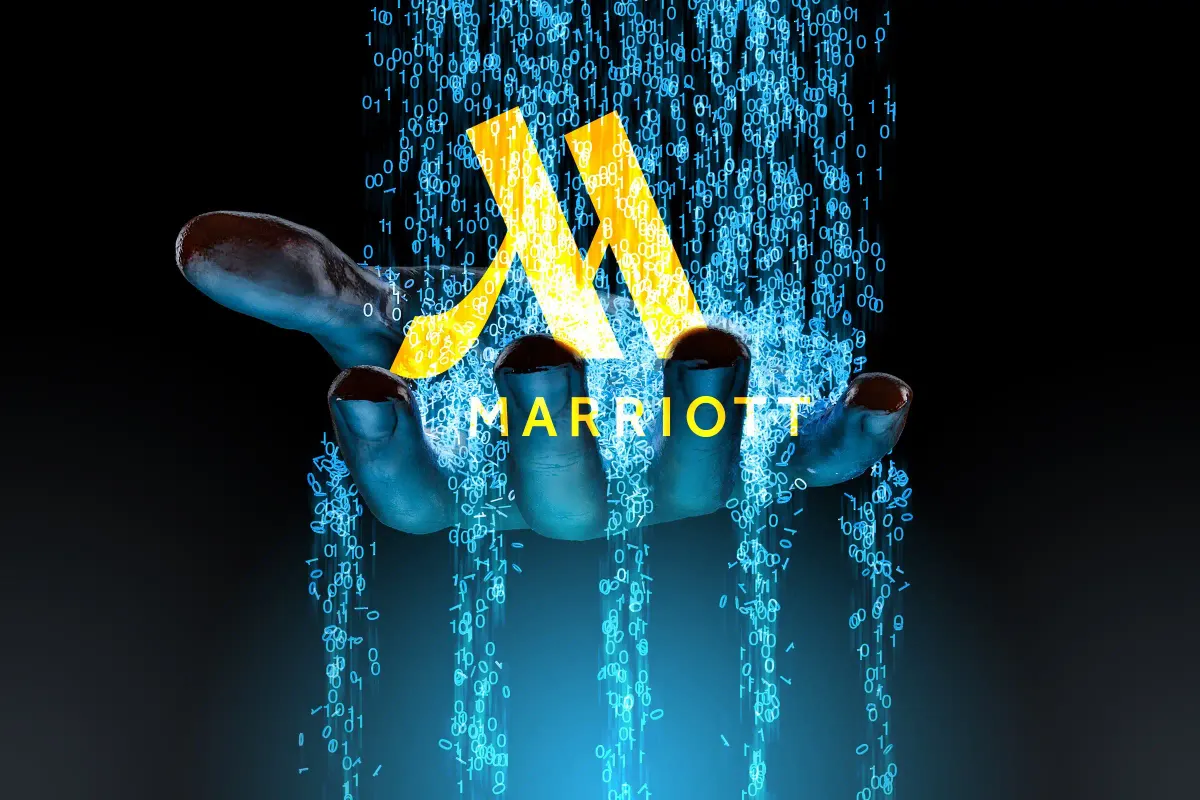
Recently, AI has dramatically changed several sectors, and hospitality is no exception. Marriott International, one of the largest hotel chains around the globe, recently announced a round of job cuts that opened up industry wide conversation. Experts now opine that AI may be the unseen factor behind these decisions as companies are embracing automation technologies to slice away redundant costs, simplify operations, and provide better customer experience.
To Marriott, AI-driven innovations open more ways in handling operations that were previously dependent on human employees. In check-in kiosks that allow skipping the front desk, their use of technology aims to reduce awaiting time and lighten the burden of more mundane tasks among staff. But at the same time, fewer workers could be employed there once solely manned by a human mind.
One area where Marriott has greatly utilized AI is through customer service: Automated systems, such as chatbots, answer frequently asked questions, help guests book their accommodations, and answer questions related to loyalty programs. The efficiency of this type of technology ensures that guests receive answers in a timely fashion and reduces the size needed to staff a call center. Similarly, apps with self-service allow guest check in or access room amenities and request for housekeeping services, all of which actually reduce the demand of onsite staff.
AI is even changing Marriott's back-office functions. Predictive analytics has made the company able to make data-driven decisions, mostly in revenue management, staffing, and inventory. For instance, AI can predict demand surges or slow periods and, thus, allow Marriott to realign its staff by direct adjustments.
Though efficient, this methodology also reduces human input in many planning and scheduling.The associated cost savings of AI cannot be ignored when considering the layoffs at Marriott. The hospitality industry suffered significantly at the hands of the COVID-19 pandemic, and companies experienced revenue lost, labor shortages, and safety regulations significantly increased. For firms like Marriott and other major hotel chains to remain competitive as well as financially viable, they are increasingly looking toward automation for resilience. Experts are saying restructuring rather than eliminating, with some staff being shifted to roles in which they oversee or manage this technology rather than doing front-line work. This is a massive shift for hospitality workers.
In the case of Marriott, the company is one example of investment in AI for business goals but in doing so, it ends up reducing opportunities in certain jobs. Experts stress the importance of reskilling programs through which employees can be redeployed into new roles as the company is adopting technology-driven operations. Marriott, for example, has implemented various internal training initiatives that focus on digital literacy, thereby equipping employees with a chance to learn new skills and possibly transition to tech-supportive roles.
In the long run, AI will likely play an even larger role in the hospitality sector, enhancing efficiency while changing the structure of employment. While AI-powered services provide clear benefits for both businesses and customers, the challenge remains for companies like Marriott to balance innovation with employee job security. Experts believe that Marriott’s workforce adjustments are an indicator of things to come, as automation reshapes the hospitality industry worldwide.