Indian Scientist Dr. Ashutosh Sharma Wants You to Live 150 Years — Here’s Why It’s Not Science Fiction

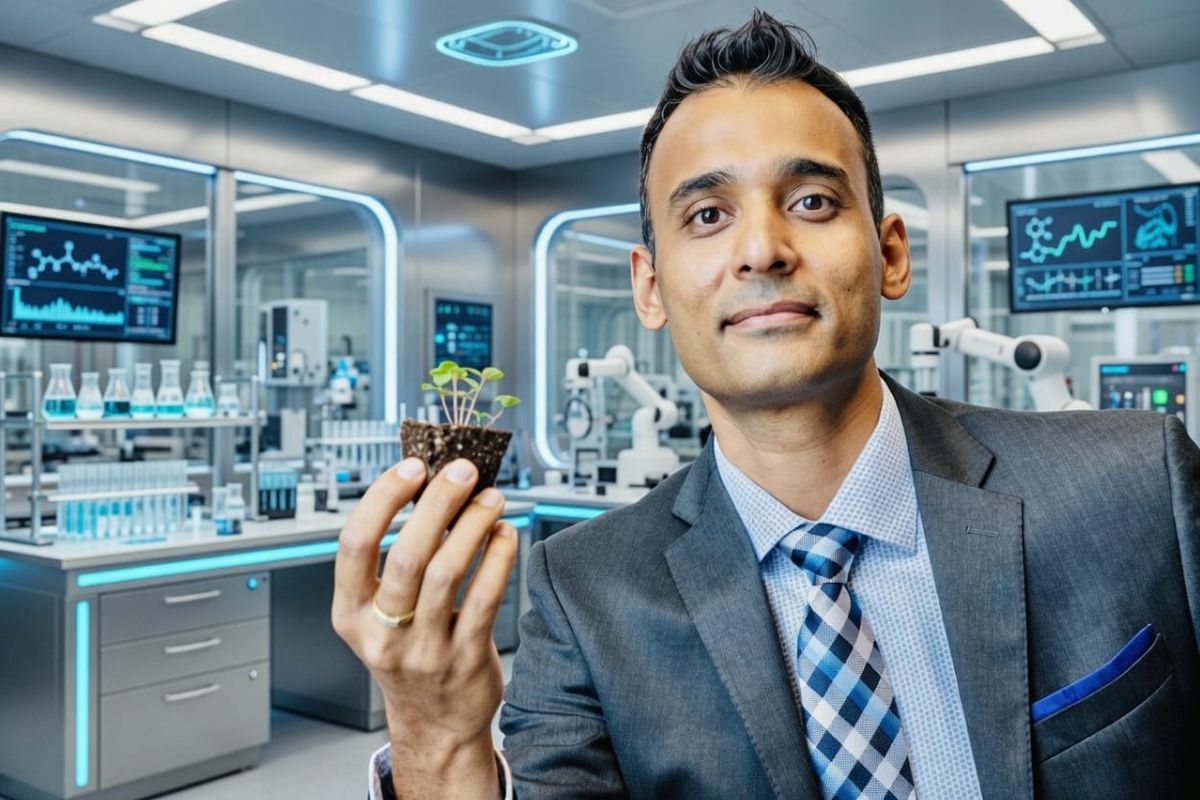
Human life expectancy has doubled over the last century.
In 1900, global average lifespan was around 32 years. Today, it exceeds 73 years.
What if the next leap is just beginning?
Dr. Ashutosh Sharma, a biotechnology scientist and innovation strategist residing in Mexico, believes that the 21st century will not just extend lifespan — it will redefine it.
“I am not interested in people living longer in hospitals,” he says. “I am interested in extending healthy, active, cognitively strong human life.”
His long-term vision? A world where living to 120 — even 150 — becomes biologically plausible.
Not through magic. Not through cloning. But through systems biology, cellular repair science, and translational biotechnology.
The Longevity Economy Is Already a Trillion-Dollar
The global longevity and anti-aging market is projected to exceed $1 trillion in the coming decades, spanning:
• Regenerative medicine • Gene editing • Senolytics (removal of aging cells) • AI-driven drug discovery • Personalized nutrition • Cellular reprogramming
Biotech investment into aging research has surged dramatically in the last five years. Companies working on lifespan extension, organ regeneration, and age-reversal therapies are attracting billions in capital.
But Sharma argues that most conversations focus only on commercialization — not on systemic integration.
“Aging is not one disease,” he explains. “It is a network of cellular processes — mitochondrial decline, genomic instability, inflammation, metabolic breakdown. To extend lifespan meaningfully, we must redesign the system, not treat symptoms.”
Why 150 Years Is a Scientific Question, Not Fantasy
Modern research has already demonstrated:
• Telomere shortening can be slowed • Cellular senescence can be targeted • Epigenetic age can be partially reversed • Organ regeneration is biologically possible
Animal models have shown lifespan extension through genetic and metabolic intervention. Human trials in regenerative therapies and metabolic optimization are accelerating.
According to Sharma, the scientific foundations exist. The challenge is integration, affordability, and scale.
“Longevity must not become a luxury product for the elite,” he says. “If we solve aging biology but ignore access, we increase inequality.”
A Systems Approach to Longevity
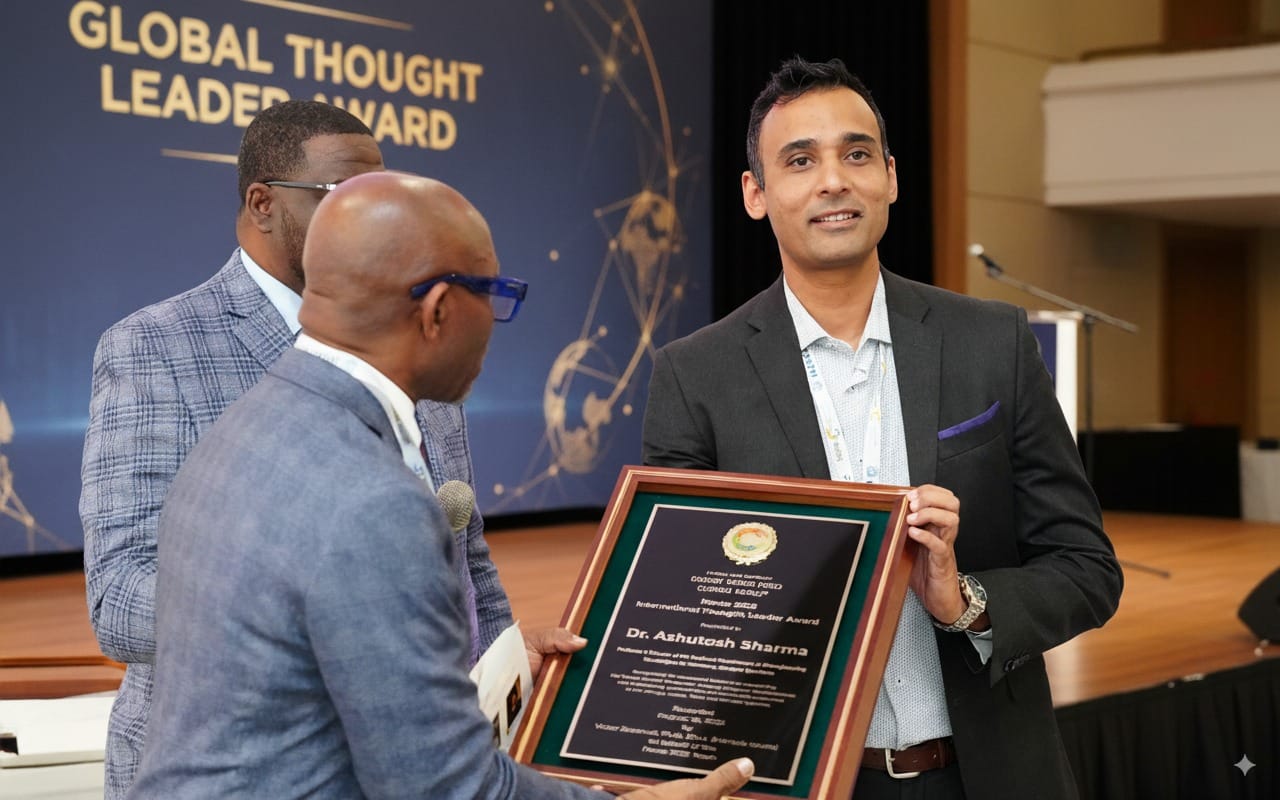
Through his work, Dr. Sharma is advocating for a innovative platform called Longetivity 360: systems-driven longevity model that integrates:
Advanced biotechnology
Optimized life style Nutritional optimization Preventive metabolic strategies AI-assisted diagnostics Sustainable health infrastructure
He views longevity not as an isolated health sector, but as a convergence of food systems, environmental health, genomic science, and data-driven medicine.
“Your lifespan is influenced by what you eat, what you breathe, how your cells repair, and how your metabolism responds. Longevity is interdisciplinary by nature.”
The Bigger Question
If humans routinely live to 110 or beyond in the coming decades, what happens to:
• Workforce structure? • Retirement systems? • Education timelines? • Wealth distribution?
Longevity is not just biological — it is economic and societal.
Sharma believes that nations investing in aging research today will define the health and productivity of future generations.
“My mission is to transform how we extend health and design systems that reduce human suffering at scale. Science must not only innovate — it must uplift.”
For him, longevity is not about chasing immortality.
It is about compressing disease, expanding vitality, and redefining what it means to age.
“The laboratory was never the endpoint,” he reflects. “It was the training ground for the next chapter of human life.”
Strategic Collaborations
Dr. Ashutosh Sharma is currently engaging with:
• Longevity research initiatives
• Biotech innovators and investors
• Health-tech platforms
• Translational medicine partners
• Global thought leadership forums
For strategic inquiries: [email protected]