Iconic Brewpub Chain Iron Hill Shutters All Locations Abruptly

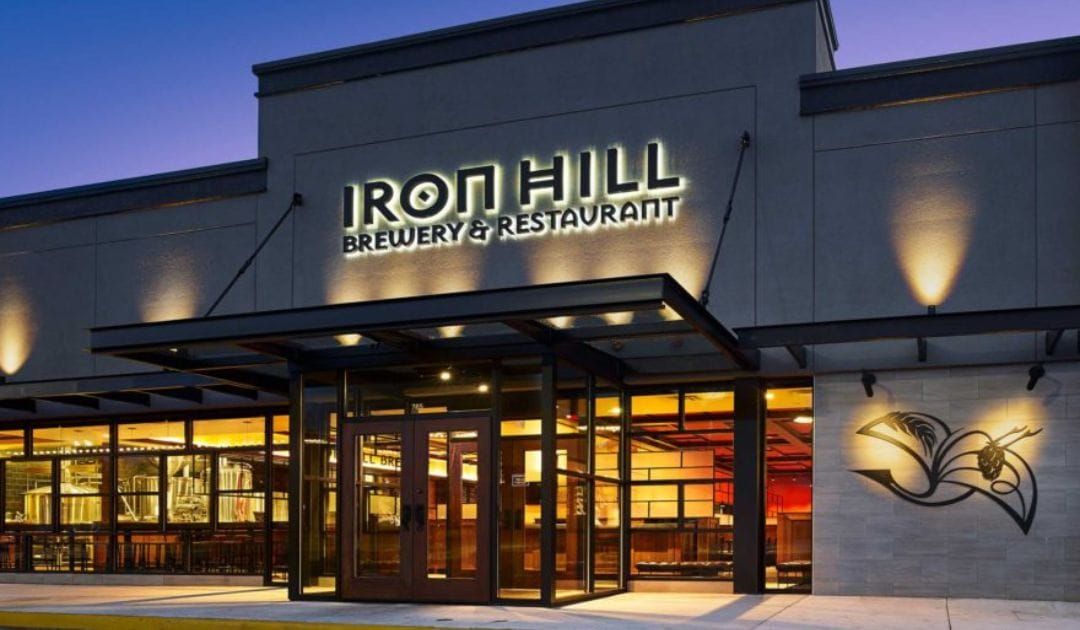
In a striking turn of events, Iron Hill Brewery & Restaurant, a well-known chain of brewpubs with roots in Delaware, announced on September 25, 2025, that it is closing all 16 of its locations — immediately and indefinitely. The closure stretches from Pennsylvania and New Jersey to Georgia and South Carolina, marking an abrupt end to nearly three decades in the restaurant and craft beer world.
In a statement released via social media, Iron Hill expressed gratitude to customers for their “support, friendship, and loyalty,” while admitting it could not sustain operations in the current climate. While it didn’t detail specific reasons in that announcement, earlier signs of strain had emerged — earlier this month, several locations had already closed, hinting at mounting financial and operational pressure.
A Legacy That Began in Newark
Iron Hill traces its beginnings to 1996, when founders Kevin Finn, Mark Edelson, and Kevin Davies launched the first brewpub in Newark, Delaware. The concept — combining craft brewing with scratch-made food — resonated with local patrons and gradually expanded across multiple states.
Over the years, Iron Hill expanded its footprint to include locations in Pennsylvania, Delaware, New Jersey, Georgia, and South Carolina. Some of its earlier closures had already foreshadowed trouble, such as the permanent shutdown of its Voorhees, New Jersey, location earlier this year.
What Led to the Sudden Shutdown?
While Iron Hill’s public statement did not lay out detailed financials, several contributing factors have come to light in news reports:
- Market pressures and shifting dining habits: Some locations had already closed in recent weeks, citing changing consumer behaviors and economic headwinds in the restaurant industry.
- Unclear sustainability: Despite its reputation, maintaining multiple brewpubs — with brewing equipment, staffing, and food operations — is capital-intensive.
- Failed turnaround efforts: According to reports from local news outlets, Iron Hill had attempted cost-saving measures and closures before the final decision.
Some news outlets that track the brewing industry have speculated that the company may file for bankruptcy. For instance, a local Pennsylvania brewery news site published a leaked internal memo claiming that the company would “permanently close” all locations and “file for bankruptcy,” citing ongoing financial challenges.
Impacts and Aftermath
For employees across the chain, the announcement came swiftly and unexpectedly. The abrupt nature of the closure left many without immediate clarity about final paychecks, benefits, or the possibility of redeployment.
Customers, too, were caught off guard. Regular patrons and local communities lost not just a place to dine or drink, but a gathering spot that for many had become a familiar and cherished part of their social fabric. In Columbia, South Carolina, the BullStreet district location shuttered simultaneously with all other sites.
Some hope that this closure might be temporary. In the social media announcement, Iron Hill suggested it “hoped to return in the future.” Yet that hope remains speculative, especially as restaurants nationally grapple with tight margins, inflation, and changing consumer trends.
What This Tell Us About the Restaurant & Brewery Sector
Iron Hill’s collapse is emblematic of the pressures now facing many restaurant and brewery operations: rising costs, labor shortages, supply chain issues, and unpredictable revenue. The craft brewery model — which often relies on in-house production combined with local dining — faces unique vulnerabilities when external conditions sour.
Furthermore, the speed and scale of this closure underscore just how fragile even well-established brands can be. Past successes, community loyalty, and brand equity may not be enough to buffer against systemic challenges in the hospitality industry.