Hurricane Melissa – record-setting storm devastates Jamaica, now bearing down on Cuba & Bahamas

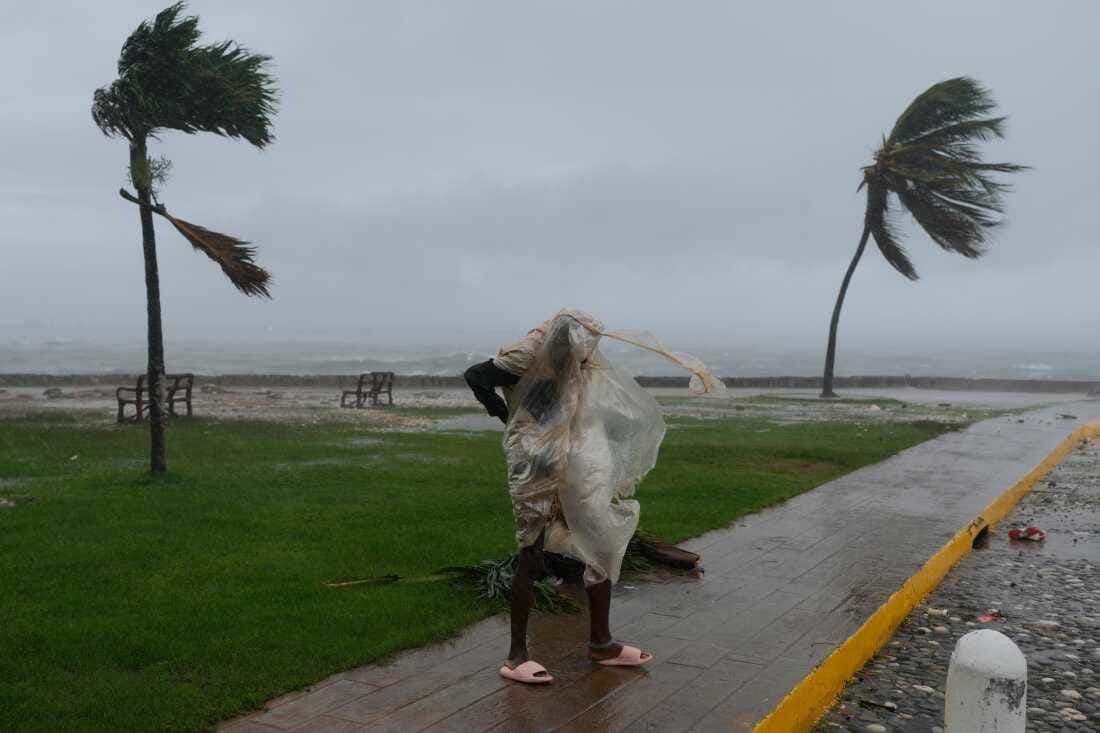
Hurricane Melissa tore through the Caribbean with astonishing intensity, making landfall in Jamaica as one of the strongest hurricanes ever recorded in the Atlantic basin, then charging toward Cuba and onward to the Bahamas.
In Jamaica, Melissa unleashed sustained winds of about 185 mph (295 kph) and a central pressure rivaling historic records, leaving large swathes of the island battered, flooded and powerless.
Then, in the early hours of Wednesday, the storm made landfall on Cuba’s southeastern coast near Chivirico as a Category 3 storm with sustained winds around 115 mph (185 kph).
Massive Evacuations and Looming Threats Across the Region
In Cuba, authorities evacuated hundreds of thousands of residents: more than 500,000 people in eastern provinces were moved out of harm’s way ahead of the storm’s arrival.
Warnings have been issued for the Bahamas where the storm is expected to arrive with significant force later in the day, still carrying the capacity for life-threatening winds, heavy rain, storm surge and flash flooding.
Forecasts indicate possible storm surge of up to 12 feet (≈3.6 m) in parts of the affected region, and rainfall totals of 10–20 inches (25–51 cm) in mountainous terrain.
Why This Storm Stands Out
There are several aspects that make Hurricane Melissa notably alarming:
- Its intensity at landfall in Jamaica places it among the strongest Atlantic hurricanes on record.
- Its rapid intensification—going from a lesser storm to Category 5 in aggressive fashion—is characteristic of storms fueled by unusually warm ocean waters, which scientists link to climate change.
- The multi-landfall threat—Jamaica, then Cuba, then the Bahamas—means a wide region is exposed and the humanitarian challenge growing.
Region-by-Region: Impact Snapshot
Jamaica: Declared a “disaster area” after Melissa’s landfall. Infrastructure was heavily damaged: power outages, flooded homes, damaged hospitals. Authorities warned of casualties though exact numbers remain unclear.
Cuba: The storm made landfall in the eastern provinces, triggering large-scale evacuations. With the country already facing infrastructure and resource challenges, the storm’s impact could be severe.
Bahamas: Though not yet hit at full strength, the archipelago is on alert. Preparations are underway with hurricane warnings in effect.
Broader Significance and What to Watch
- The storm underscores how climate dynamics are influencing hurricane behavior—intensification faster, higher wind speeds, deeper impacts.
- Recovery will be particularly difficult in regions already dealing with economic hardship, infrastructure deficits and limited disaster-preparedness resources.
- Next phases: monitoring the storm’s path, strength fluctuations, and how effective local responses and evacuations are.
Final Thoughts
Hurricane Melissa is not just another tropical storm—it is a historic event with broad implications for the Caribbean region. From Jamaica’s devastation to the large-scale evacuations in Cuba and looming threat to the Bahamas, the human and material stakes are enormous. As the storm moves northward, the region must brace for more impacts, and the world watches how communities respond.