Huawei to Unveil Flagship Smartphone Running on Own Software, Signaling the Rise of Tech Fragmentation
Huawei’s Mate 70, featuring HarmonyOS Next, marks a bold bid to establish a third major operating system, reflecting deepening US-China tech divides and showcasing Huawei’s resilience amid sanctions.


Huawei Technologies, China's leading technology company, has announced that it will launch Mate 70, the first flagship smartphone using a fully homegrown operating system HarmonyOS Next. This bold move will help Huawei become one of the key players in the world's technology arena. It will provide a new third major mobile operating system to compete with Apple's iOS and Google's Android.
A Shift in the Global Tech Landscape
It is more than a product launch, but the launch of HarmonyOS Next shows and underlines the global technology ecosystem's further fragmentation under the US sanctions on the company coming in 2019, touted to cripple Huawei, instead catalysing its innovation to propel the company into uncharted territory.
"HarmonyOS Next is a turning point for China," said Paul Triolo, an expert at Albright Stonebridge Group, for technology."This is a critical juncture for China, led by the fear that the US might cut off everything."
The Road to HarmonyOS Next
The way to HarmonyOS Next started when in 2019 Huawei was banned from using Google Mobile Services due to United States sanctions. As a response, Huawei introduced the very first version of HarmonyOS, which was first based on open-source Android code. Over time, Huawei’s programmers developed HarmonyOS Next, often referred to as “Harmony native” or “pure-blood Harmony” by its enthusiasts. Unlike its predecessor, this system operates independently of Android, requiring developers to rewrite their apps for the new platform.
Huawei has invested a lot in training developers for the new ecosystem to ensure its success. The company has held online and offline camps, known as training camps, aimed at helping programmers adapt to the HarmonyOS Next environment. According to a Huawei sales staffer: "We have teams to hold developers' hands and bring them on. There is support on standby ready to help solve issues."Huawei claims 15,000 native apps and services HarmonyOS Next already supports, including major Chinese applications like Tencent's WeChat, Alibaba's Taobao, and Meituan's food delivery. Still, the system is challenged, especially with workplace apps and functionality gaps in some listed applications.
One Next app developer noted that the company he has been working for is a large state-owned group, talking about many actual issues related to the system:
"We cannot support WeChat Pay in our app yet. Baidu's SDK is also not supported, so we cannot use Baidu location service."
However, Huawei counts on the loyalty of existing users to propel adoption and can work on the developers to make their services better.
A Strategic Gamble
The company has taken a calculated risk in releasing an incomplete ecosystem on a flagship model. Huawei chair Eric Xu accepted this during an ecosystem summit:
"Operating systems and ecosystems grow through usage. Only when more consumers accept and use HarmonyOS can the system and apps rapidly iterate and improve, allowing it to enter a virtuous cycle."
Huawei's current HarmonyOS already runs on 1 billion devices worldwide,which is a great foundation for the next stages of the ecosystem's evolution. Xu encourages users to adopt HarmonyOS Next, saying that it is ready to fast-forward significantly based on user feedback.
The Challenges of International Adoption
While HarmonyOS Next is getting wide attention in China, turning international developers to support it remains a challenge. "Most international clients are put off by high quotes and reservations about the system itself," said AppInChina CEO Rich Bishop. According to Bishop, one client was quoted RMB 2 million ($276,000) for adapting his app for HarmonyOS Next.
Huawei has the largest user base in China, but it's still going to be difficult to get international developers on board," Bishop said.
New Tech Frontier
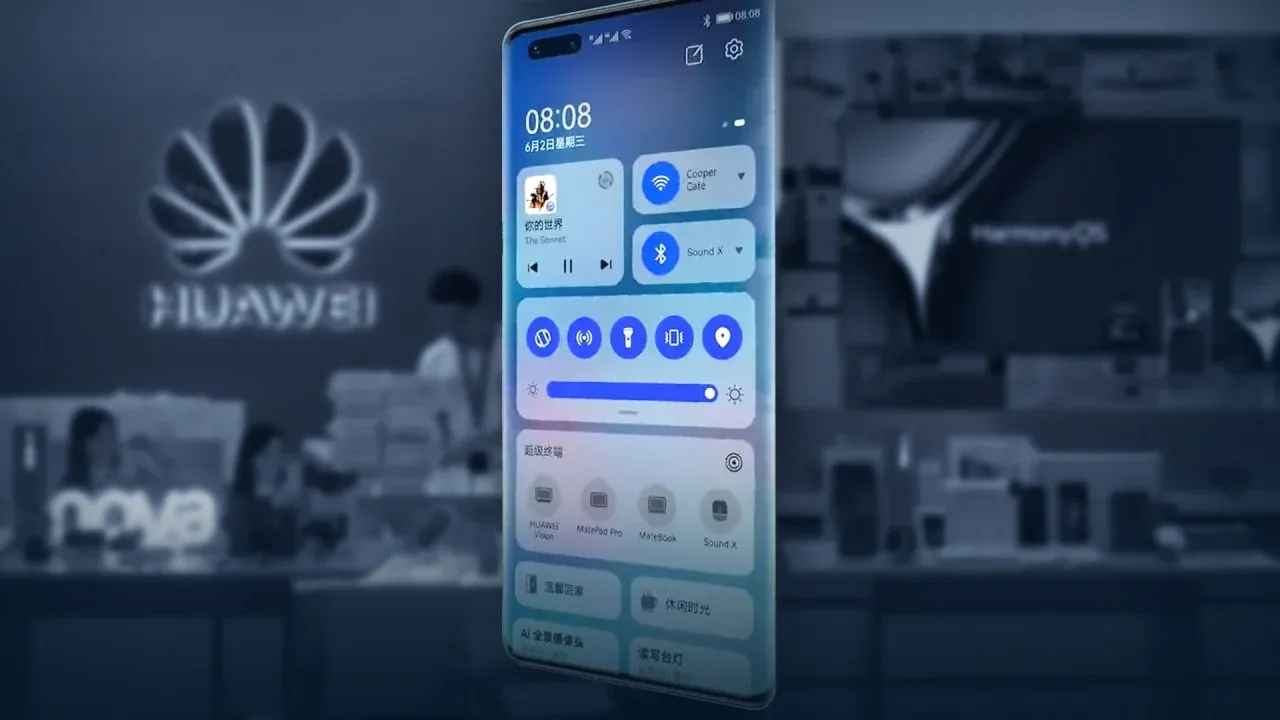
HarmonyOS Next on the Mate 70 smartphone marks a greater Chinese effort toward self-reliance in technologies. Experts like Triolo think that Huawei will weather the storm of early setbacks:"It's now obvious that China needs an OS of its own."The aggressive move by Huawei could change the face of global tech very significantly, bringing a new era of competition and innovation. As HarmonyOS Next catches up, it may emerge as a powerhouse, snapping at the heels of the leaders - Apple's iOS and Android-from Google and Samsung, and an ever-widening chasm between the US and China technology ecosystems.