How Money, Taxes, and the Economy Could Change in 2025: Expert Predictions
2025 promises transformative changes in money, taxes, and the economy. From AI innovation to new tax laws and housing trends, experts predict impactful shifts. Here’s what you need to know.

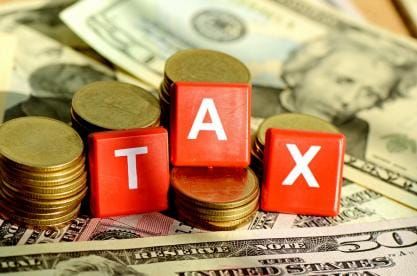
As the dawn of 2025 approaches, financial and economic landscapes appear to be on the cusp of great changes. A new president, the advancing artificial ntelligence machine, and other economic indicators will all take their share in determining what the coming year will look like. Wall Street strategists and analysts blend optimism and caution as they predict what awaits personal finance, taxes, and housing, to name a few.

Tariffs: A Double-Edged Sword
The new government's position on tariffs adds complexity. President-elect Donald Trump has threatened to apply steep tariffs on imports from China, Mexico, and Canada, for example. That action might protect domestic industries, but the risks of a 1930s-style trade war are real.
The investment firm UBS finds that tariffs are the most likely to disrupt trade, inflate prices, and weaken homegrown demand. Against this backdrop, legal challenges and trade negotiations can soften their consequences.
Mark Haefele, Chief Investment Officer at UBS Global Wealth Management, is cautiously optimistic. He believes a 50% likelihood that stocks climb, aided in part by enthusiasm for AI. Conversely, he admits there's only a 15% chance of tariffs taking the shape of disruptions to markets.Homebuyers will still have to deal with a lot of problems in 2025, since demand exceeds supply. J.P. Morgan Private Bank estimates that the country is short of 2 million to 2.5 million units despite possibly lower mortgage rates.
Regional affordability will still not be balanced. Cities such as Cleveland and Detroit already provide easier entry points for buyers to afford 20% down payment options. High-demand metros like San Francisco and Austin, however, may not experience any affordability until late this decade.
But falling mortgage rates could speed up timelines by up to a year in many regions. Buyers and investors are cautioned to carefully assess local market conditions.
Tax Reform: Surprises Ahead?
The expiration of the 2017 Tax Cuts and Jobs Act looms large. Without intervention, higher tax rates will return in 2025. President-elect Trump and congressional Republicans are expected to push for extensions, focusing on maintaining lower tax brackets.
Still, adjustments will have to be made. For instance, the SALT deduction cap of $10,000 has been bemoaned, especially for high-tax states. Even such provisions might be adjusted through bipartisan deal-making.
According to J.P. Morgan, tight congressional margins may require unexpected compromises that create uncertainty over taxpayers and businesses.

Artificial Intelligence and the Power Sector: Two Next Big Growth Areas
Artificial intelligence continues to dominate headlines, but another sector that is likely to explode in 2025 is electricity. Reshoring of U.S. manufacturing, the increasing electrification of cars, and the growing demand for data centers are all putting the sector on the move.
Data centers, which are needed for cloud computing and storage, use a lot of energy. Microsoft's investment in the revival of Three Mile Island nuclear plant is only one example of how companies can look into sustainable ways to power data centers.
According to J.P. Morgan, nuclear power will witness a surge in investments as natural gas plants remain used to supplement peak demand. Small nuclear reactors are likely also to become an efficient answer to the problem.
Scams: AI and the Growing Threat
The advancement of technology has also come with new means by which fraudulent activities are executed. Artificial intelligence-based financial crimes have dramatically increased, reaching losses of over $108 million in 2024, according to Authority Hacker.
AI scams tend to involve images, texts, and even videos with deepfakes to mimic trustworthy people or sources. Such schemes make it impossible for the victims to recognize the authenticity at times.
Mark Webster, co-founder of Authority Hacker, emphasizes the use of trusted channels to verify any unusual requests. Friends and family can also be set up with safe words to help avoid fraud.Experts are divided on the broader economic outlook for 2025. While some predict steady growth fueled by innovation and investment, others caution that factors like trade policies, tax uncertainties, and geopolitical tensions could pose risks.
Key Predictions at a Glance:
Stock Market: A 50% chance of moderate growth, bolstered by AI and innovation, according to UBS.
Housing Affordability: Likely to improve in select regions, albeit gradually.
Taxes: Potential legislative battles over extending 2017 tax cuts and SALT cap revisions.
Energy: Nuclear and natural gas to play pivotal roles in powering an increasingly electrified economy.
Financial Scams: Continued vigilance needed as AI-based crimes evolve.
What This Means for You In fact, with economic changes, individuals and businesses must act before the change occurs. For instance, homebuyers may want to lock in mortgage rates before possible increases. Taxpayers must monitor legislative developments for better planning. Meanwhile, everybody should remain vigilant to new scams and safeguard their finances.
Staying well-informed and prepared to navigate a dynamic economic landscape shaped by innovations, policy changes, and global trends that will unfold in 2025.