Honda’s New EV Production Revolution Begins with $1 Billion Investment in Ohio
Honda is making a groundbreaking shift in its manufacturing with a $1 billion investment in Ohio, incorporating cutting-edge "giga presses" and a new "cell" production system to revolutionize EV production.

Honda Motor Co. is vying to take charge of the next wave of electric vehicle manufacturing. The Japanese automaker deviates from its long-existing penchant for manufacturing the product line in the old country by choosing Ohio as the site for a brand new, major wave of EV production.
This massive move comes with an $1 billion price tag, having been boosted from the originally announced $700 million. This investment is aimed to bring tremendous change in Honda's manufacturing capabilities and bring in new technologies such as "giga presses" and set the stage for a global transition to electric mobility.
Honda has had a very long history in the United States, even in Ohio; they have manufactured vehicles there for decades. It produced over 1 million vehicles in the United States in the year 2024 and sold 64% of those here in the United States. Although the demand for electric vehicles is increasing in this industry, Honda has realized a need to modernize their production plants in order to compete with industries led by Tesla.
The Marysville Auto Plant in central Ohio is going through a massive transformation. Once completed, the facility will be able to produce around 220,000 vehicles annually. The plant will also be capable of assembling traditional gasoline-powered vehicles, hybrids, and EVs on the same production line-a first for Honda.
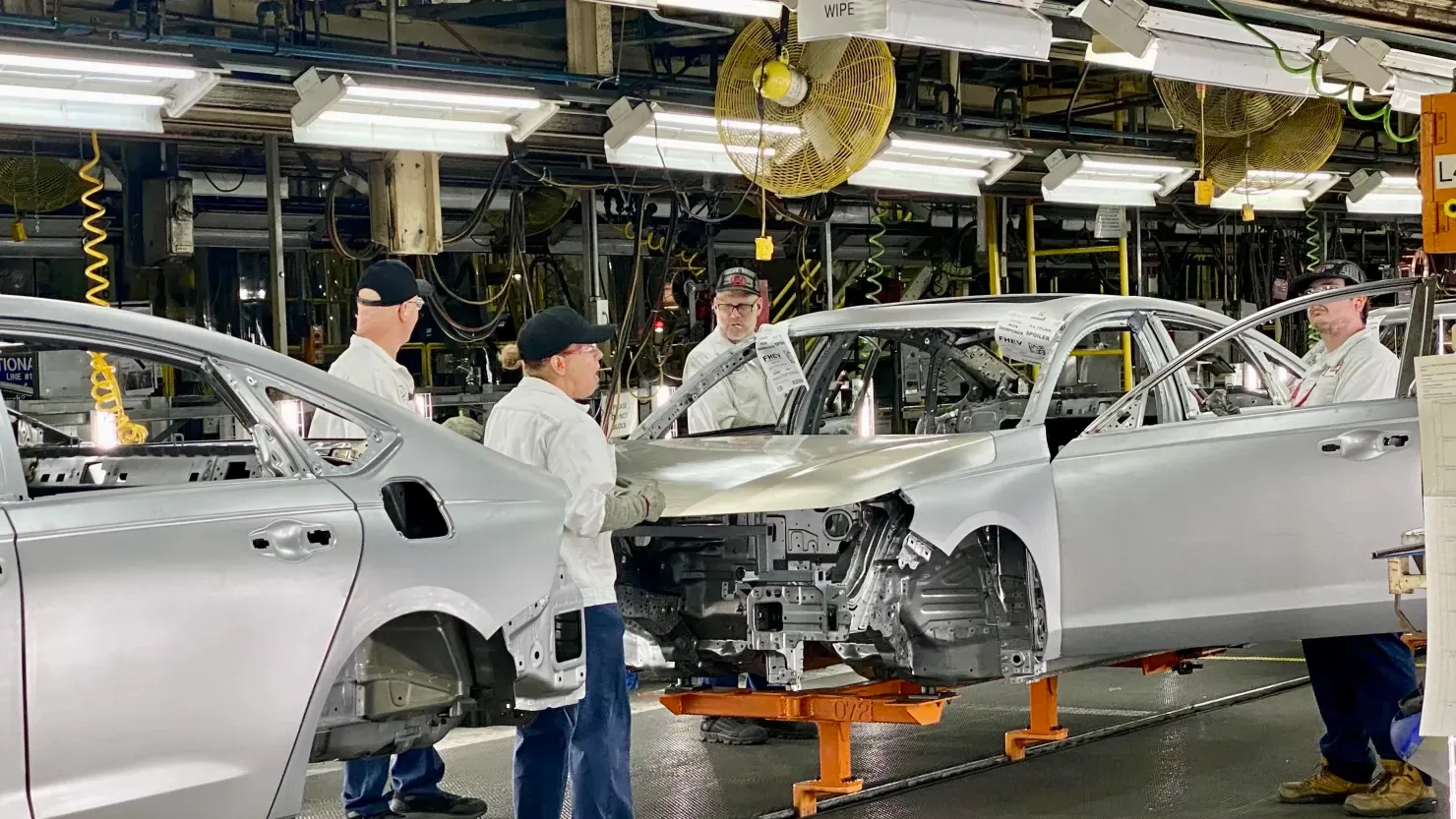
Honda's Commitment to EV Manufacturing
The Ohio-based emerging EV hub by Honda isn't just about vehicle manufacturing, but also includes a standalone $3.5 billion battery plant. The stand-alone battery plant is part of Honda's joint venture with LG Energy Solution. These battery cells will supply the vehicles at the Marysville facility.
Mike Fischer, Honda's lead for North America on battery-electric vehicle projects, said the importance of Ohio in Honda's global EV strategy is multifaceted. "The Honda EV hub in Ohio is setting the global standard for EV production for people, for technology, and for processes," Fischer said.
The Role of "Giga Presses" and "Cell" Manufacturing
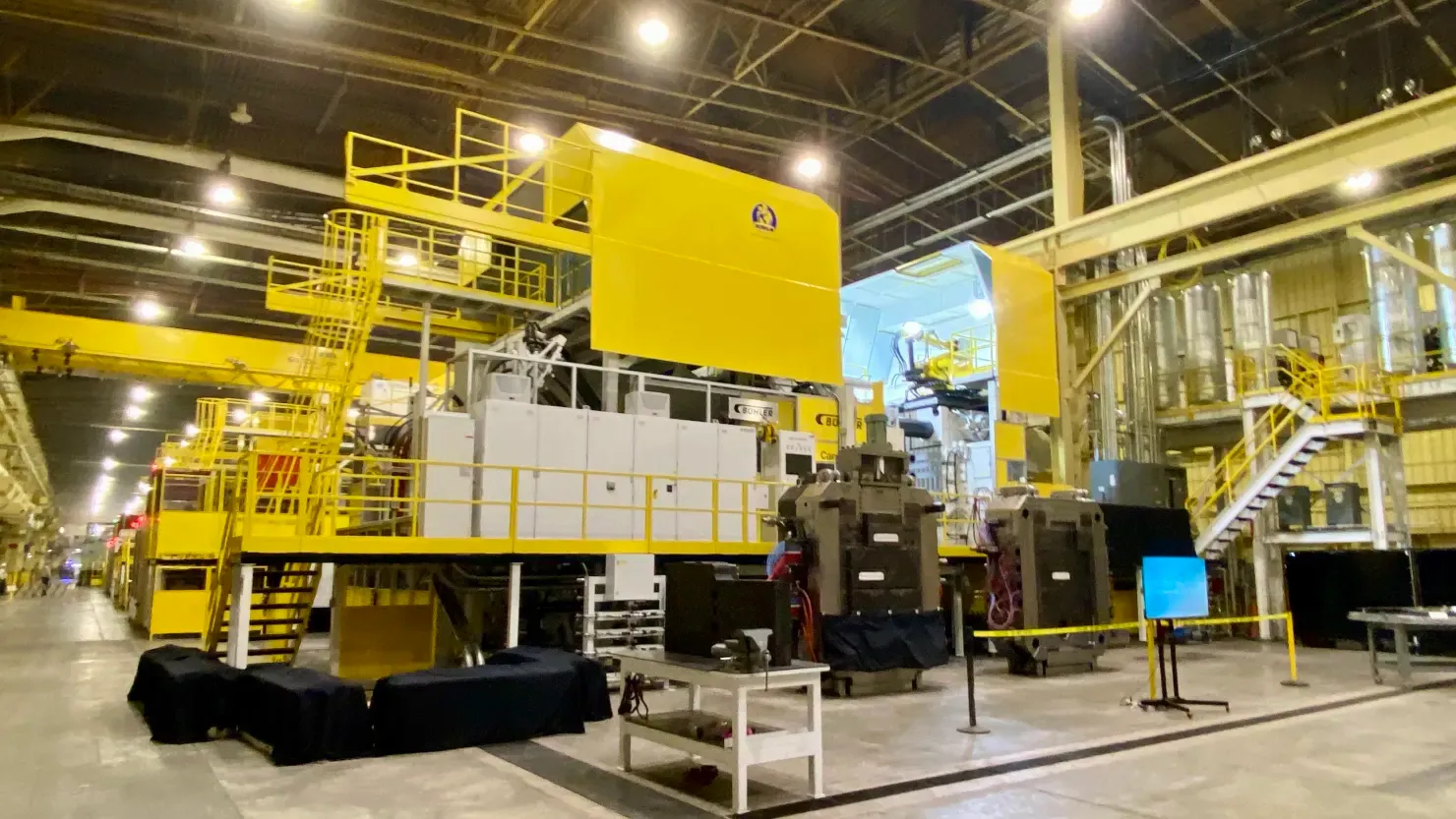
One of the most significant upgrades in Honda's Ohio plants is the addition of six "giga presses." These high-pressure die cast machines, popularized by Tesla, can significantly reduce manufacturing complexity and costs. The "gigacasting" technique eliminates the need for welding multiple parts together by casting entire sections of a vehicle's frame as a single piece. Honda's new machines will exert up to 6,000 tons of pressure, doubling the capacity of its existing presses in Ohio.
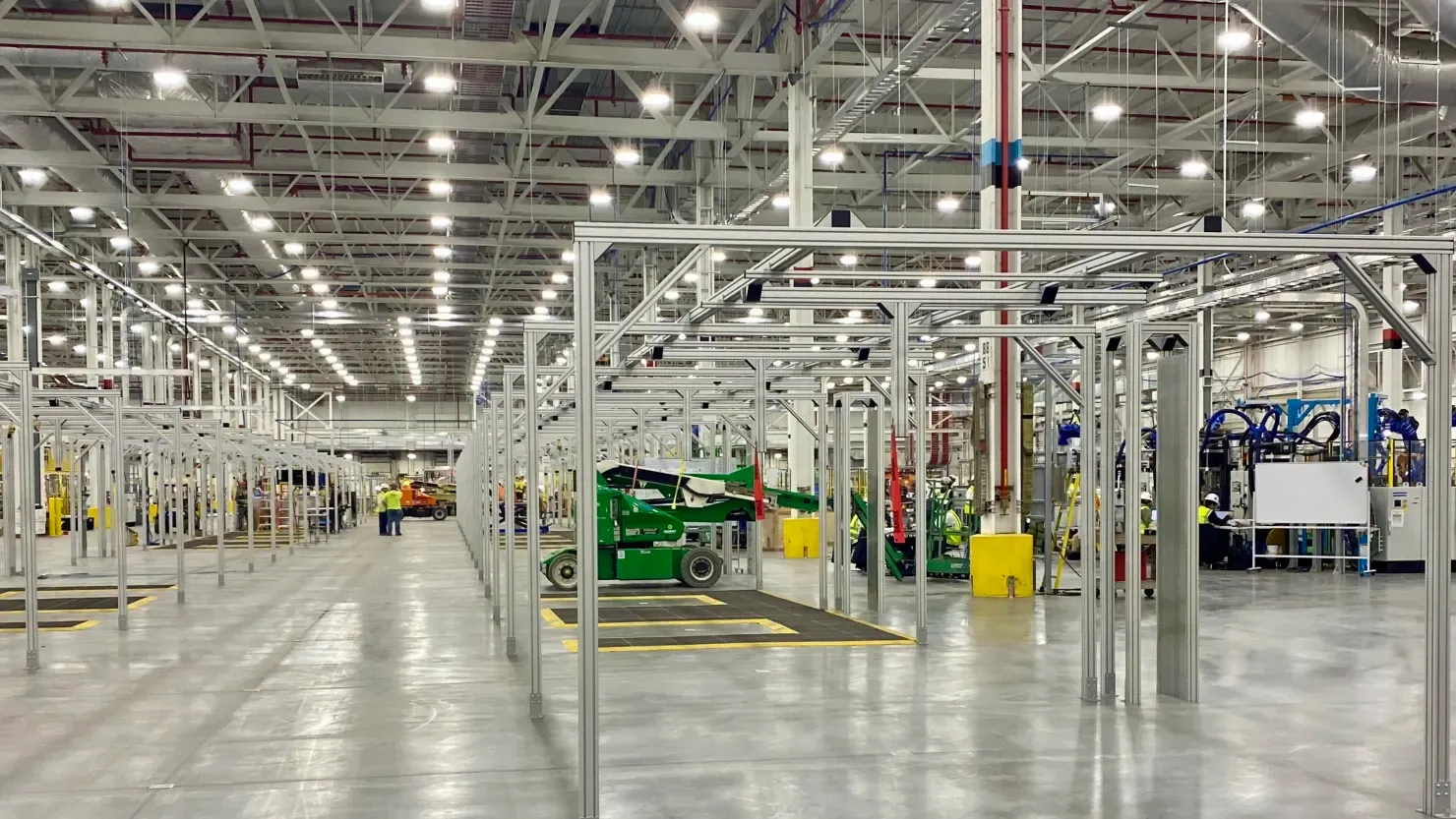
In addition to gigacasting, Honda is introducing a new "cell" manufacturing system for assembling battery packs. Unlike traditional assembly lines, where every component is installed sequentially, the cell production system organizes work into flexible zones. This system prevents bottlenecks and enhances efficiency, ensuring that any slowdowns in one part of the process do not affect the entire assembly line.
The Impact on Honda's EV Lineup
Honda has lagged behind in the EV space compared to the other major automobile manufacturers. Presently, Honda sells only two all-electric crossovers in the U.S.: Honda Prologue and Acura ZDX, manufactured by General Motors in Mexico.
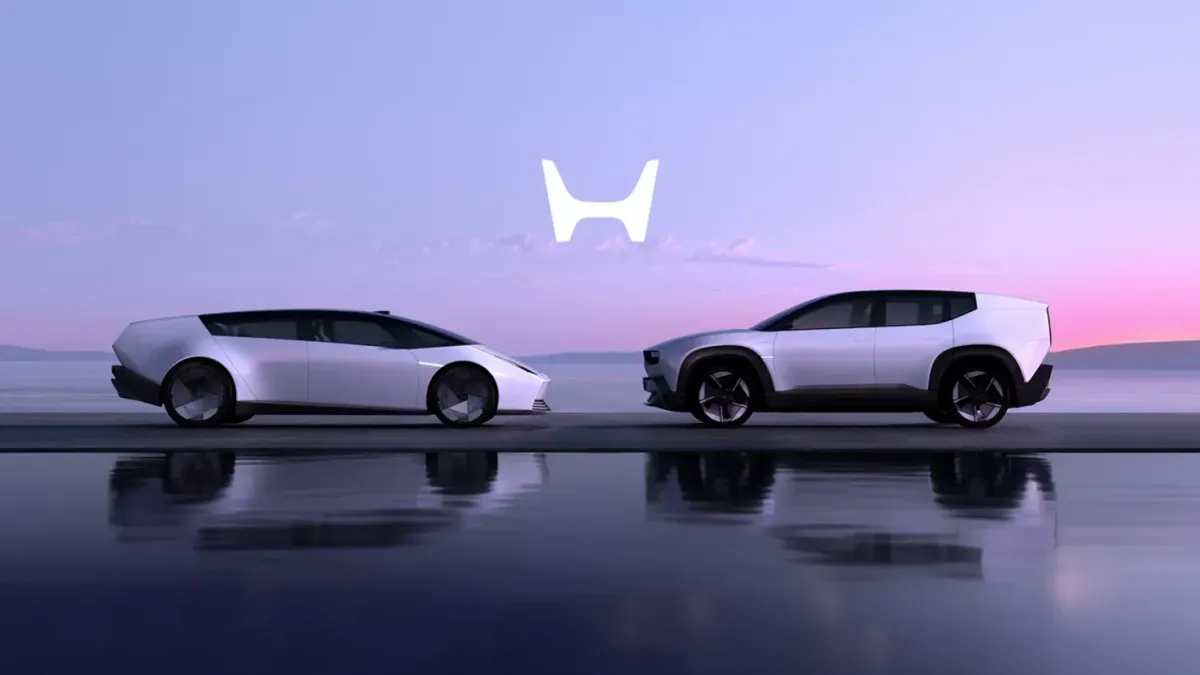
Now, Honda is all set to go for its first domestically manufactured electric vehicle in the U.S. with Acura RSX crossover. The company will then introduce Honda 0 SUV and Honda 0 Saloon. These electric vehicles were unveiled to the world at CES in Las Vegas this year as prototype models. The new models will be made using advanced techniques that the company will employ at the facility in Ohio.
The Environmental Commitment
In addition to increasing efficiency and saving costs, Honda's investment in Ohio is aligned with its larger sustainability goals. The company is targeting carbon neutrality by 2050 and aims to sell only zero-emission vehicles by 2040.
To achieve these goals, Honda is investing in sustainable materials and recycling initiatives. Its EVs will have battery packs made from a special form of structural aluminum that is fully recyclable. According to Tim Stroh, project leader for Honda's EV battery case production, the aluminum production technology developed in Ohio will eventually be implemented globally.
Challenges and Future Outlook
Honda's ambitious transition to EVs is not without its challenges. The U.S. adoption rate of EVs has been slower than anticipated, and Honda faces stiff competition from established players such as Tesla, Ford, and General Motors. Moreover, potential trade policies, including higher tariffs on imported vehicles, may affect Honda's long-term strategy.
Despite these uncertainties, Bob Schwyn, senior vice president of Honda Development and Manufacturing of America, sees this investment as a pivotal moment for the company. "This is considered the second founding for Honda," Schwyn stated. "We’re using the opportunity to reimagine our approach to manufacturing."
FAQ Section
Why is Honda investing $1 billion in Ohio?
Honda is investing in this new facility to set up a next-generation EV manufacturing hub. It will feature high-tech "giga presses," a new battery assembly system, and expanded production capacity to help support Honda's global EV strategy.
What are "giga presses," and what do they bring to Honda?
Giga presses are massive high-pressure die cast machines. They enable Honda to produce parts for vehicles as single modules. This reduces the number of individual components and, therefore, the cost of production.
How will Honda's new "cell" manufacturing system improve efficiency?
The "cell" manufacturing system organizes battery pack assembly into flexible zones. This will prevent disruptions in one area from affecting the whole production line. It will therefore be more efficient and scalable EV manufacturing.
What other EVs does Honda manufacture here in the US?
Honda first starts with building an Acura RSX SUV and Honda 0 SUV plus Saloon as it launches an improved version at its newly developed Ohio plant
Where is this fitting with Honda's environment ambitions?
Honda is looking forward to the goal of becoming carbon neutral by 2050 and selling zero-emission vehicles exclusively by 2040. To support this, the company is implementing sustainable materials and recycling into its EV production.
Honda’s $1 billion investment in Ohio marks a significant shift in the company’s approach to manufacturing and sustainability. By implementing cutting-edge technologies such as gigacasting and cell manufacturing, Honda is setting the foundation for its future in the EV industry. While challenges remain, the company’s commitment to innovation and sustainability positions it as a formidable player in the evolving automotive landscape.