Honda Warns of Major Profit Drop in 2025 as U.S. Tariffs Impact Auto Industry
Honda forecasts a 5.9% profit decline for 2025 as new U.S. tariffs on EVs and parts hit Japanese automakers. Read how Honda plans to navigate global challenges.

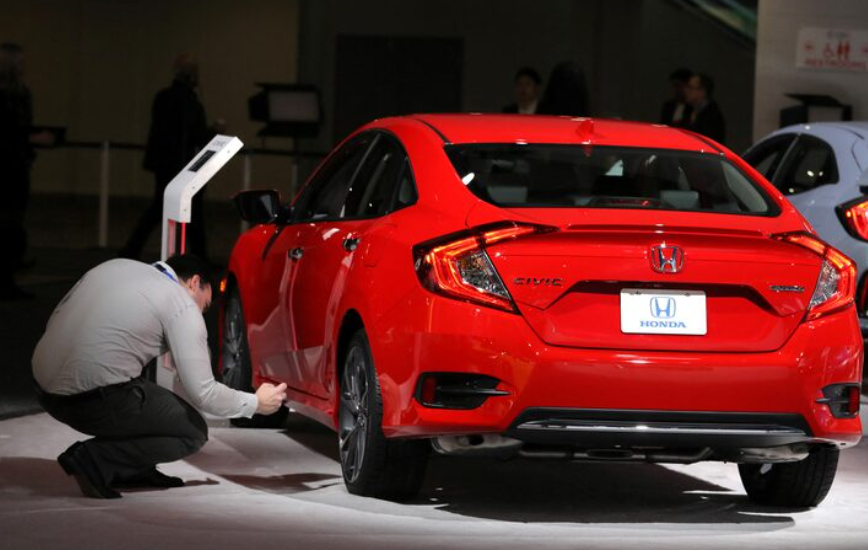
Japanese automaker forecasts steep decline amid new U.S. tariffs and global supply chain challenges
Honda Motor Co. (TYO: 7267) has projected a significant 5.9% drop in its full-year profit for 2025, underscoring the urgent challenges facing Japanese automakers as the United States implements steep new tariffs on Chinese and electric vehicles. The forecast, released Monday, comes as Honda navigates escalating international trade tensions, cost pressures, and rapid shifts in the global automotive industry.
Honda's 2025 Profit Forecast Clouds Asia’s Auto Outlook
Honda, Japan’s second-largest automaker, expects its operating profit for the fiscal year ending March 2026 to fall to 1.27 trillion yen ($8.16 billion), down from the 1.35 trillion yen achieved last year. The anticipated decline—largely attributed to U.S. tariffs and rising input costs—highlights intensifying difficulties for Asian carmakers in their most lucrative overseas markets.
"The changes in trade policy and persistent supply chain disruptions have created new headwinds," Honda stated, referencing the Biden administration's announcement last week of increased tariffs targeting not only Chinese electric vehicles (EVs) but also Chinese-manufactured components and batteries used by foreign automakers.
Key Profit Drivers and Headwinds Identified
Several factors have contributed to Honda's cautious outlook:
U.S. Tariffs: New U.S. duties of up to 100% on imported Chinese EVs and higher tariffs on batteries and critical vehicle parts threaten to squeeze Honda’s profit margins.
Supply Chain Bottlenecks: Ongoing semiconductor shortages and rising logistics costs continue to impact production capacity and cost structures.
Currency Fluctuations: The yen's ongoing volatility against the U.S. dollar is a double-edged sword—boosting export competitiveness but inflating costs for imported components and raw materials.
Weak Chinese Demand: Intense competition and slowing economic growth in China, the world’s largest auto market, have led to flat or falling sales for Japanese brands.
Honda’s Response to Escalating Tariffs
Honda executives, speaking at Monday’s earnings press conference, said the company is actively reviewing its global production footprint and supply chain strategy. "We are committed to ensuring stable U.S. operations, diversifying sourcing, and accelerating investment in local EV production," a company spokesperson confirmed.
The automaker also said it will continue investing in partnerships and joint ventures in North America to reduce tariff exposure.
Industry-Wide Implications of U.S.-China Trade Tensions
Honda is not alone in facing pressures from the new trade environment. Asian rivals Toyota, Nissan, and Hyundai have also sounded alarms over the potential impact of tariffs on costs, pricing, and consumer demand in North America—the industry's most profitable region.
"This is a wake-up call for the automotive sector," said industry analyst Seiji Sugiura of Tokai Tokyo Research Institute. "Japanese manufacturers, heavily reliant on U.S. sales, must adapt quickly or risk losing ground to local and other international players."
According to the Japan Automobile Manufacturers Association (JAMA), North America accounted for nearly half of all Japanese car exports last year.
U.S. Tariffs: What’s Changing?
EVs from China: 25% to 100% tariff rise
Batteries and Parts: New and expanded tariffs hitting a wider range of Chinese-made components
Timeline: Tariffs take effect later this year, giving automakers limited time to adapt supply chains
Honda’s Profitability in Context
Despite the projected earnings dip, Honda’s full-year dividend will remain unchanged at 78 yen per share, reflecting management’s confidence in the company’s longer-term prospects. Yet, the firm cautioned of “uncertainties in the global business environment,” suggesting caution about a quick rebound.
Honda’s fiscal 2024 net profit exceeded expectations, coming in at 1.11 trillion yen ($7.13 billion), but the slowing momentum into 2025 mirrors a broader slowdown in the global automotive industry amid trade disputes, shifting consumer preferences, and surging competition from new entrants such as BYD and Tesla.
Expert Perspectives and Forward-Looking Strategies
Industry experts warn that ongoing trade tensions and supply constraints could force Japanese automakers to accelerate U.S.-based manufacturing and double down on battery alliances.
"Localizing production and forging stronger technology partnerships will be critical to Honda's ability to weather the storm," said Koji Endo, senior analyst at SBI Securities.
Meanwhile, Honda has indicated plans to increase research and development spending, with a particular focus on next-generation EVs, battery technologies, and North American production expansion.
Sources Used:
Reuters: "Honda sees full-year profit declining 5.9% as U.S. tariffs bite"
Japan Automobile Manufacturers Association (JAMA)
Statements from Honda’s May 13, 2025 press conference
Industry analysts’ comments from Tokai Tokyo Research Institute and SBI Securities