Health Officials Rush to Contain Nipah Virus Outbreak in India

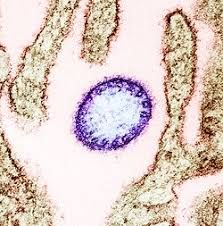
Health authorities in India are responding urgently to a fresh outbreak of the Nipah virus in the eastern state of West Bengal, amid growing concerns about the spread of this rare but often fatal infection. The outbreak has drawn national and international attention as officials work to identify cases, limit transmission, and protect healthcare workers and the public.
Detection and Immediate Response
The outbreak came to light in early January when two nurses at a private hospital in Barasat, near Kolkata, were confirmed to have the Nipah virus, a pathogen known for causing severe neurological illness and respiratory symptoms. The nurses reportedly fell ill after caring for a patient with serious respiratory complications who later died before testing confirmed a viral cause. One of the infected nurses is reported to be in a coma, reflecting the virus’s aggressive progression.
Indian public health agencies, including the National Centre for Disease Control and state health departments, immediately activated containment protocols. Hospitals isolated suspected cases, and hundreds of close contacts have been traced and tested. As of late January, approximately 180 people have been tested with a smaller group of high-risk contacts quarantined under close supervision.
What Makes Nipah Dangerous
Nipah virus disease (NiV) is a zoonotic infection — originating in animals and capable of jumping to humans. Its natural reservoir is fruit bats (also known as flying foxes), which can shed the virus through saliva, urine, or feces. Humans may become infected through direct contact with these bats, consumption of contaminated food such as raw date palm sap, or through close contact with infected animals and people.
Symptoms typically appear 4 to 14 days after exposure, often beginning with fever, headache, muscle pain, and cough — symptoms that can easily resemble a common viral illness. However, the infection can rapidly escalate to more severe conditions, including encephalitis (brain inflammation), seizures, and respiratory failure. In many outbreaks, patients have deteriorated quickly, sometimes progressing to coma within days.
One of the greatest threats posed by Nipah is its high mortality rate. The World Health Organization estimates that deaths from Nipah infection range between 40% and 75%, depending on the outbreak and access to supportive care. There is currently no vaccine or specific antiviral treatment approved for Nipah virus, meaning supportive care and early isolation remain central to managing cases.
Spread and Healthcare Risks
Human-to-human transmission of Nipah has been documented, especially among caregivers and healthcare workers who come into close contact with infected individuals. The West Bengal outbreak underscores this risk: two nurses became infected while treating a patient, prompting renewed focus on protective protocols within medical settings.
Across Asia, previous outbreaks — including in parts of South and Southeast Asia, such as Malaysia and Bangladesh — have shown how persistent surveillance and early intervention are crucial. In India, the southern state of Kerala has experienced several Nipah outbreaks over the past decade. These incidents have emphasized the need for ongoing awareness, preparedness, and rapid response frameworks at both local and national levels.
Public Health Measures and Surveillance
Responding to the West Bengal cases, health authorities have intensified surveillance and containment efforts. This includes isolating confirmed cases, tracing and monitoring contacts, and reinforcing infection control practices in hospitals and other healthcare facilities. Officials are also educating the public about how NiV spreads and what precautions to take to reduce risk.
Since Nipah can initially mimic more common viral illnesses, timely detection is a major challenge. Medical professionals are urging vigilance for early symptoms, particularly in regions where fruit bats are known to roam and where previous outbreaks have occurred. Isolation of suspected cases and protective gear for healthcare workers are critical steps in limiting spread within clinical settings.
At the community level, public advisories often stress avoiding consumption of raw date palm sap, fruit that may have been bitten by bats, and other foods that may carry infection risk. Practicing good hygiene, reporting fever or neurological symptoms early to medical professionals, and adhering to quarantine directives when advised all contribute to controlling outbreaks.
Broader Regional Response
In response to news of the outbreak, several countries in Asia have heightened health surveillance at airports and border points, implementing screening measures reminiscent of protocols seen during the COVID-19 pandemic. These measures aim to intercept symptomatic travellers and provide early health assessments to curtail cross-border spread.
While experts stress that Nipah is unlikely to spark a global pandemic — partly because widespread human-to-human transmission is less efficient than with viruses like influenza — the potential for localized outbreaks with dangerous outcomes keeps public health systems alert. The virus is listed by the World Health Organization as a priority pathogen due to its high fatality rate and potential for serious outbreaks.
Challenges and Looking Forward
Containing the Nipah outbreak presents logistical and medical challenges, particularly when the symptoms mimic other illnesses in their early stages. Rapid contact tracing, testing in specialized laboratories, and isolation are necessary but resource-intensive strategies. The absence of targeted treatments or vaccines places even greater emphasis on prevention and supportive care for those infected.
For communities in West Bengal and beyond, the outbreak is a stark reminder of the enduring threat of zoonotic diseases — infections that emerge from animal reservoirs and cross into humans with severe consequences. Strengthening healthcare infrastructure, investing in diagnostic capacity, and promoting community awareness are vital components of outbreak response and preparedness.
India’s ongoing efforts reflect these imperatives, as health officials aim to contain the current crisis quickly while learning from past Nipah incidents to improve future responses.