Grayscale Launches Dogecoin-Focused Fund as Altcoin Adoption Picks Up Pace
Grayscale Investments has launched the Grayscale Dogecoin Trust, marking a significant step in the mainstream adoption of Dogecoin. This fund offers investors exposure to the growing utility and adoption of Dogecoin beyond its meme origins.

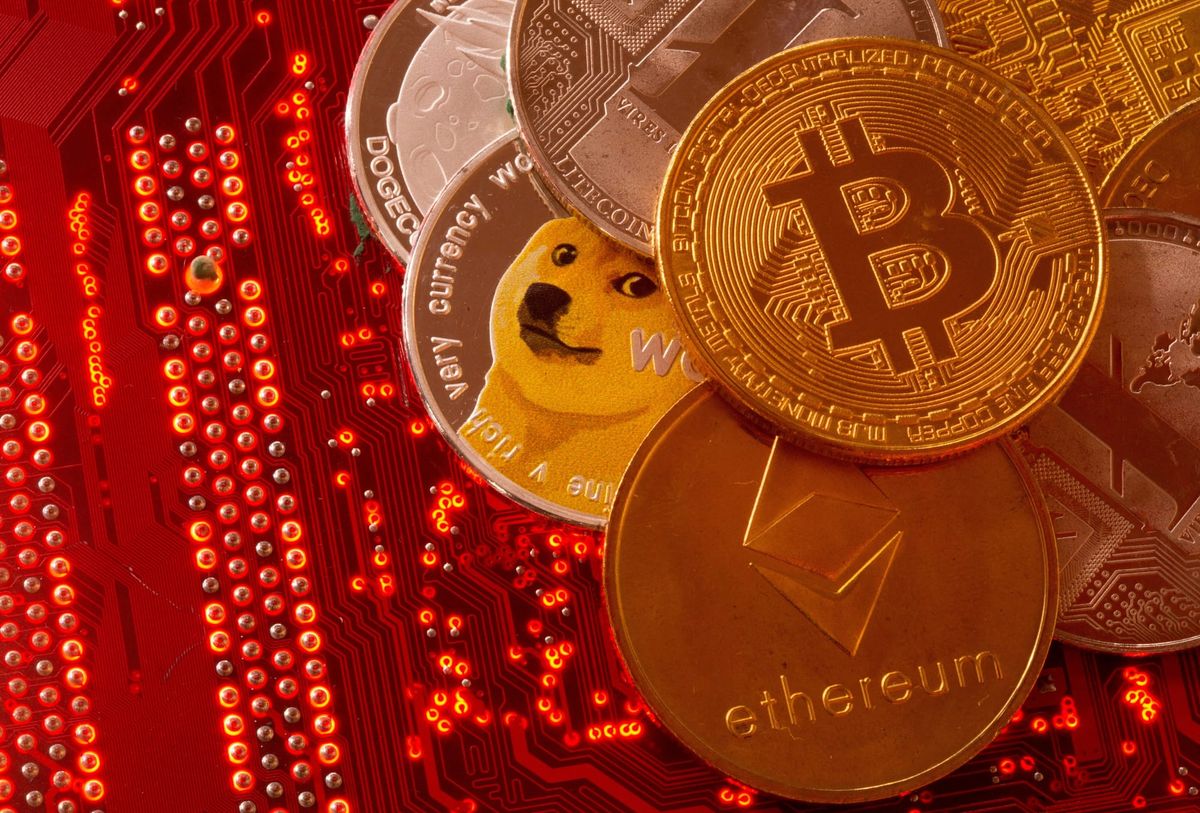
The cryptocurrency market is changing, with alternative coins, or altcoins, increasingly becoming the go-to option for investors looking to diversify their portfolios beyond Bitcoin. Grayscale Investments, a leading digital asset manager, has announced the launch of the Grayscale Dogecoin Trust, a specialized investment vehicle designed to provide institutional and accredited investors with exposure to Dogecoin. This marks a growing recognition of Dogecoin as a viable means of payment and financial inclusion.
Dogecoin: From Meme to Mainstream
Dogecoin was launched in 2013 as a light-hearted alternative to Bitcoin. Initially, it was a joke, but the cryptocurrency soon gained a passionate community. Over the years, Dogecoin has evolved from a meme coin into a recognized digital asset with real-world applications. Its adoption has been accelerated by high-profile endorsements, including Tesla CEO Elon Musk, and its integration into payment systems and tipping platforms.
Why Grayscale is Betting on Dogecoin
Grayscale Investments has developed a reputation as the pioneer of investment products for cryptocurrency, allowing investors to acquire diversified and regulated exposure to digital assets. In fact, with the launch of the Grayscale Dogecoin Trust, Grayscale is now leveraging several trends to its advantage:
Increased institutional interest in altcoins as a form of diversification.
Retail Adoption: Dogecoin is accepted by many of the top merchants, such as Tesla, for specific kinds of transactions.
Community Support: The crypto community around Dogecoin is the most active and enthusiastic.
Lower Transaction Costs: In comparison with Bitcoin and Ethereum, Dogecoin offers much faster and cheaper transactions, so it is particularly popular for microtransactions.
The Structure of the Grayscale Dogecoin Trust
The Grayscale Dogecoin Trust is modelled after other single-asset investment trusts held by the company. It allows investors to follow the market price of Dogecoin, effectively giving them indirect exposure to performance without having a direct stake in the cryptocurrency itself. This in turn makes the investment process accessible to individuals as well as financial institutions that don't have enough knowledge about digital assets.
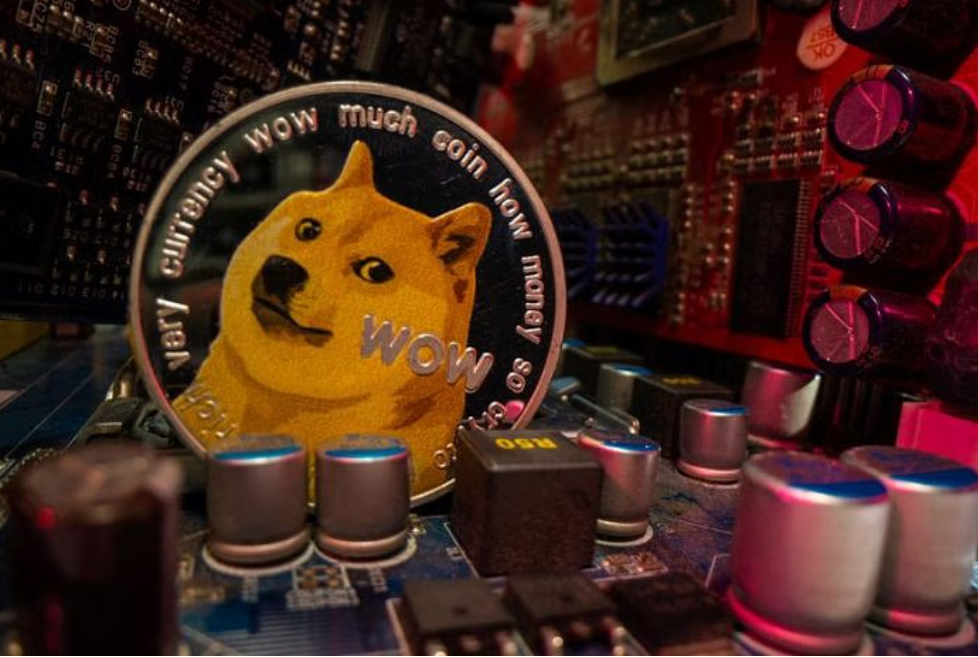
Altcoin Adoption with Market Trends
The launch of this Dogecoin fund keeps in line with broader market trends:
Bitcoin's Maturation: More of a Store of Value Now, Investors Turn to Alternative Assets with Different Utility
High Costs of Ethereum Transaction Fees Have Kept Interest Going in Other Blockchain and Tokens.
Regulatory Clarity: Finally, governments and financial regulators start to clearly issue guidelines for the altcoins which helps boost confidence among investors
NFT and Metaverse-Related Integrations: Dogecoin is Being Used as the Transactional Coin in the NFT market and Metaverse.
Dogecoin’s Role in Financial Inclusion
Rayhaneh Sharif-Askary, Grayscale’s head of product and research, emphasized Dogecoin’s ability to provide financial access to underserved communities. Traditional financial systems often exclude individuals due to high fees, stringent requirements, and lack of accessibility. Dogecoin’s low transaction costs and widespread availability make it a tool for broader financial participation, particularly in developing economies.
Challenges and Risks
Despite its growing adoption, Dogecoin faces several challenges:
Volatility: Dogecoin, like most cryptocurrencies, experiences significant price fluctuations.
Regulatory Scrutiny: Governments worldwide are still defining their stance on digital assets, which could impact Dogecoin’s future.
Security Concerns: While Dogecoin’s network is secure, investors must be cautious about scams and fraudulent platforms.
Competition: Dogecoin competes with newer cryptocurrencies that offer enhanced functionalities.
Grayscale’s Impact on Dogecoin’s Future
Grayscale’s involvement could provide several benefits for Dogecoin:
Institutional backing can bring increased acceptance from the traditional investor group.
Liquidity increase. The more invested, the more stable the market will be, and volatility decreases.
Innovation and development: institutional interest drives improvement in Dogecoin's technology and infrastructure.
The launch of the Grayscale Dogecoin Trust is a very important milestone for mainstream adoption in Dogecoin. However, there are challenges that are yet to be seen, but with the fund, investors will get exposure to the digital asset in a regulated way. With accelerating altcoin adoption, Dogecoin is also likely to further expand its role in the crypto ecosystem.
FAQ
What is Grayscale Dogecoin Trust?
Grayscale Dogecoin Trust is an investment vehicle that makes it possible for institutional and accredited investors to take exposure in Dogecoin, without them holding or managing it directly.
Why is Grayscale launching a Dogecoin-focused fund?
Grayscale is trying to take advantage of the growing adoption of Dogecoin and its potential as a means of payment and financial inclusion. The company sees Dogecoin transition from a meme coin to a serious digital asset.
How is an investment in the Grayscale Dogecoin Trust different from buying Dogecoin?
Investing in the trust gives investors exposure to Dogecoin, through no involvement with crypto wallets, exchanges, or private keys. The trust is managed professionally and follows a structured investment model.
What are the risks of investing in Dogecoin?
Dogecoin is exposed to price volatility, regulatory uncertainties, security risks, and competition from other cryptocurrencies. Research is necessary before investing.
How does Dogecoin help in financial inclusion?
Dogecoin is very cheap to use, and its accessibility is very wide, which makes it very attractive for people who lack access to traditional banking services, especially in developing countries.