Grab and BYD Partner to Electrify Southeast Asia's Transport with 50,000 EV Fleet Expansion
Partnership for up to 50,000 electric vehicles across Southeast Asia between Grab and BYD will ensure green transportation options, reduced entry barriers for new adopters, and innovative offerings for sustainable mobility, eco-friendly ridesharing solutions.


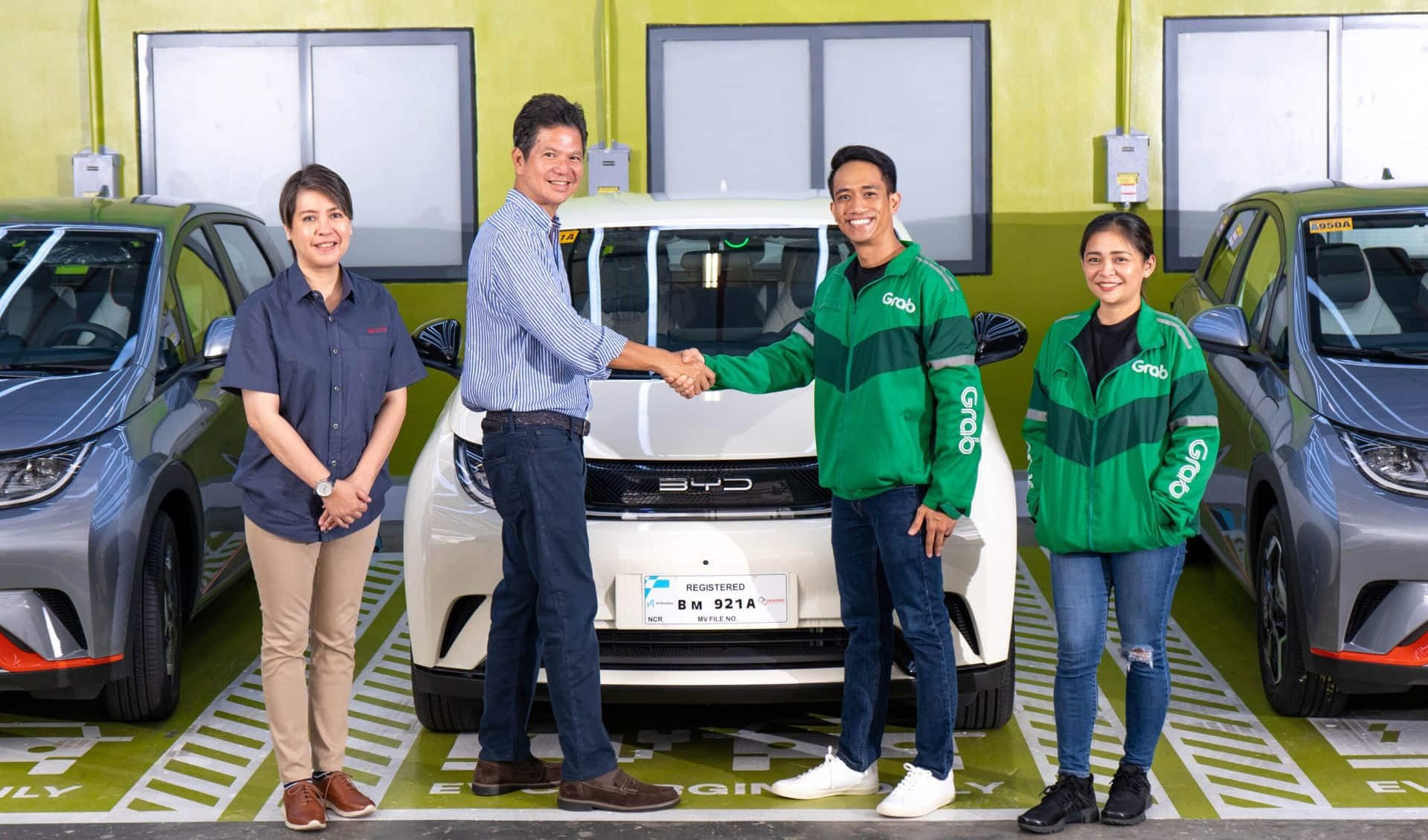
The boost to ride on electric vehicles (EVs) is now a growing trend with companies and governments focusing on the reduction of carbon emissions and embracing a sustainable future. Grab, Southeast Asia's leading ride-hailing platform, took a landmark move by setting up an agreement with BYD, the global leader in electric vehicles, to introduce as many as 50,000 EVs across Southeast Asia. This strategic alliance sets out to revolutionize how the region moves, eliminating major barriers to the adoption of EVs and paving the way for a greener future.
Partnership: Important Takeaways
Deploys 50,000 BYD EVs
Under its partnership with Grab, up to 50,000 electric vehicles will be brought into service through models like DENZA D9, ATTO3, SEAL, and M6. With these deployments, the range will cover the common rides, through to more premium offerings such as GrabExec.
Easy Availability for Driver-Partners
To ensure inclusivity, Grab offers rental and financing options for driver-partners. These initiatives lower the financial barriers for those transitioning to electric vehicles, enabling more individuals to participate in the green revolution.
Competitive Rates and Extended Warranties
Grab has collaborated with BYD to provide competitive rates and extended warranties on vehicle batteries, ensuring long-term cost efficiency for drivers and enhancing the appeal of EV ownership.

Eco-Friendly Ride Options
Grab rolls out "Eco-Friendly Ride" options in Thailand and Singapore. Customers can now have the choice of environmentally friendly transport, all the while supporting conservation.
IoT Integration for Smarter Operations
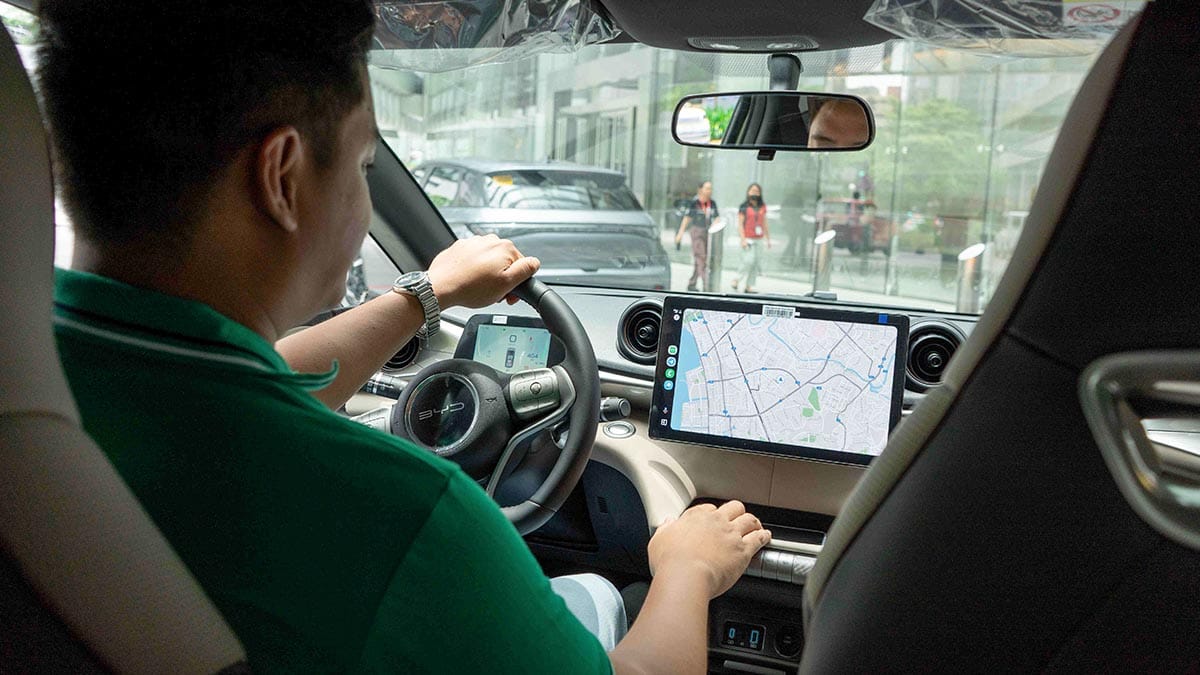
IoT integration within the fleet of Grab maximizes the driving experience. With real-time navigation, driving behavior insights, and enhanced ETAs, the process becomes efficient and customers feel satisfied.
Why This Partnership Matters
Breaking Down Financial Barriers
One of the biggest barriers to EV adoption is the high upfront cost. The partnership between Grab and BYD will bridge this gap through financing and rental schemes, making EVs more accessible to driver-partners.
Sustainable and Zero-Emission Transport
The introduction of electric vehicles is a big step toward sustainable and zero-emission transport solutions for Southeast Asia, which is currently facing air pollution and traffic congestion.
Market Competitiveness
By increasing its fleet of EVs, Grab solidifies its position in the market. This also enhances its environmental credentials and appeals to environmentally conscious consumers, thus further improving its competitive edge.
Effects on the EV Market and Industry
Economic Benefits
The massive use of EVs will also make it possible for Grab to have lower operating costs, which would include less fuel consumption and reduced maintenance. This also gives consumers cheaper rides due to such efficiency.
The transition to electric vehicles significantly reduces greenhouse gas emissions. This aligns with regional and global climate goals, contributing to a healthier environment.
Innovation in Mobility
IoT integration and BYD's cutting-edge EV technology ensure a superior driving and passenger experience, setting new benchmarks in mobility innovation.
Expert Statements
BYD's Perspective
"We are excited to partner with Grab as the leading on-demand transport provider in Southeast Asia. This partnership underlines our commitment to sustainable transportation and innovation," said Liu Xueliang, General Manager, BYD Asia-Pacific Auto Sales Division.
Grab's Vision
"This partnership will help us move forward the transition to EVs by reducing the financial barriers and making it more accessible to our driver-partners," said Chuck Kim, Managing Director, Group Business Development, Grab.
Investment and Market Recommendations
Investing in Grab's Sustainability Goals
Investors looking at Grab's strategic stride in the ev deployment should relate it to more sustainability and innovativeness into the company which will lead toward long-term prosperity and market lead.
How Southeast Asia Sees Green Growth in Transport Market Opportunities
The continued growth of SE Asia's automotive market in E.V. opportunities for businesses or investors to shape and benefit their green transition:
What kind of vehicles will be part of Grab's EV fleet?
Grab's EV fleet will consist of BYD models, such as the DENZA D9, ATTO3, SEAL, and M6, which will cater to different passenger needs, from standard rides to premium services.
How does this partnership benefit Grab's driver-partners?
Driver-partners will benefit from rental and financing options, competitive rates, and extended battery warranties, making EV adoption more affordable and accessible.
What are the environmental benefits of this program?
The introduction of electric vehicles will reduce greenhouse gas emissions and air pollution, which will make the environment cleaner and more sustainable in Southeast Asia.
Where will the Eco-Friendly Ride option be available?
Grab's Eco-Friendly Ride option will first be launched in Thailand and Singapore, with plans for future expansion across the region.
How does IoT technology enhance the EV experience?
IoT integration provides real-time navigation, driving behavior insights, and improved ETAs, optimizing the driving and passenger experience while ensuring operational efficiency.
The strategic partnership between Grab and BYD becomes one of the most important milestones in Southeast Asia's history with regard to moving toward sustainable transportation systems. Importing up to 50,000 electric vehicles is what will narrow down the key barriers to the adoption of EVs, enhancing market competitiveness and meeting sustainable mobility goals. This initiative underscores innovative partnerships in formulating the use of green transportation systems into a precedent for other regions and industries.