Global Growth Forecast to Flatline as Tariffs Add to Strains
The global economy is likely to be flat this year, with 2.7% growth-anemic performance outside of the 2019 contraction from the pandemic. Rising tensions and tariffs on trade, primarily from the United States, jeopardize economic stability worldwide.

The global economy is on the brink of a difficult year as trade tensions rise and tariffs threaten economic stability. The World Bank says that global growth will stagnate at 2.7% in 2025, one of the weakest performances in recent history. Although this rate is sustainable, it does not support significant improvements in living standards worldwide.
US Tariffs and Global Trade
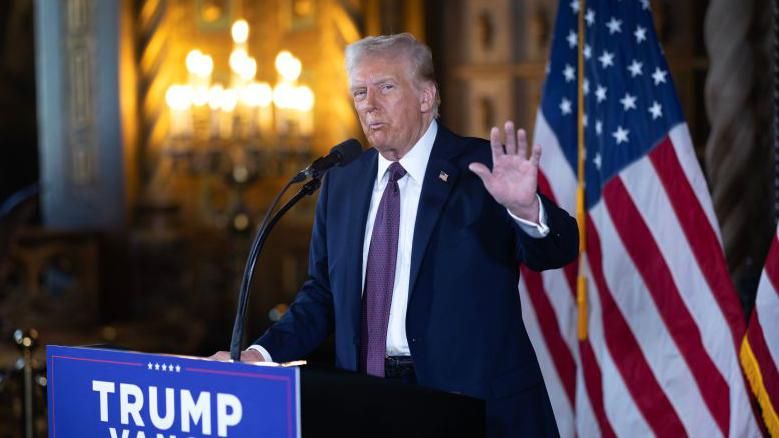
The introduction of new tariffs by President-elect Donald Trump has been one of the major issues of concern to economists. Proposed trade policies from his administration are likely to cause significant impacts on global commerce. The imposition of tariffs on imports from key trading partners such as China, Mexico, and Canada can cause disruptions in supply chains, increase production costs, and decrease consumer purchasing power.
The United States is the world's largest importer, importing $3.2 trillion annually. A 10% increase in tariffs on imports from all countries could reduce global economic growth by 0.2%, according to the World Bank. If trade partners retaliate, the economic impact could be even worse.
Historical Context and Trade Tensions
Trade wars have experienced history that has led to economic slowdowns. The US-China trade war of 2018-2019 caused enormous losses to businesses and consumers on both sides. In similar patterns in 2025, industries heavily reliant on global supply chains, like manufacturing and technology, are bound to take the primary hit.
Interest Rates and Economic Uncertainty
Other than trade tensions, the other significant concern is that high interest rates may linger. The US, UK, and Eurozone central banks have kept rates above their 2% target to control inflation. This policy has discouraged investment and slowed economic growth. Higher borrowing costs make it more challenging for businesses to expand and for consumers to afford large purchases, such as homes and vehicles.
Living Standards and Economic Growth
Economic growth is one of the major factors that drive poverty reduction and better living standards. Global growth rates have been above 3% per annum for most of history, but the slowdown will result in fewer jobs and stagnant wages. The worst-hit will be developing countries that export to the large economies.
Policy Responses and Possible Solutions
Governments around the world are looking at various ways to mitigate the slowdown:
United Kingdom: The government of the United Kingdom is investing in artificial intelligence and technology sectors to boost productivity.
United States: Trump's administration is focusing on tax cuts and deregulation to stimulate domestic economic growth.
China: Beijing is expanding infrastructure projects and domestic consumption to reduce reliance on exports.
European Union: The EU is emphasizing green energy investments and digital transformation.
Despite all these efforts, World Bank Deputy Chief Economist Ayhan Kose warns that there are no quick fixes: "The bottom line is there is no Ozempic for economic growth. Countries need to think about what policies to implement."
With global growth likely to linger at anemic levels, policymakers will have to deal with trade wars, inflation humps, and investment slowdowns. The next years will test the resilience of the economy; securing stability will require coordinated international efforts.
Frequently Asked Questions (FAQs)
Why is the global economy supposed to stagnate in 2025?
The World Bank highlights trade tensions, high interest rates, and economic uncertainty as some reasons for sluggish growth in the world.
How does the US impact the global economy with tariffs on imports from main trading partners?
Tariffs are likely to shake up supply chains, push prices up for consumers, and hinder global trade leading to a drag on economic growth.
Which sectors are most affected by trade tariffs?
The highest impacts are from those sectors that are highly dependent on international trade, like manufacturing, the high-tech industry, and even agriculture.
Can any country mitigate the effects of economic stagnation?
Governments can use some policies such as tax incentive policies, infrastructure investment, and trade diversification to stimulate growth.
What is the role of the World Bank in the global stability of the economy?
The World Bank offers financing, policy guidance, and technical analysis to support countries in managing economic problems and promoting long-term development.