Fran Lebowitz Doesn’t Hold Back — On Politics, Vanity, and What’s Next

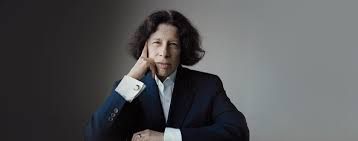
The celebrated writer and social observer Fran Lebowitz once again stirred the pot in a wide-ranging interview with Variety. Unfiltered and blunt, she shared her stark views across politics, journalism, technology and social change. Her words cut to the bone: she sliced through the hype surrounding modern media, raised serious doubts about utopian promises from young politicians, and remained defiantly skeptical of technology that many embrace without a second thought.
Lebowitz’s commentary — always unapologetically her own — touches on a range of hot-button topics: the rise of Zohran Mamdani in New York politics, the controversial presence of journalist Olivia Nuzzi in today’s media world, and the wider cultural shifts driven by AI, driverless cars, and digital overload. What emerges is a portrait of a commentator deeply skeptical of how fast the world is changing, and unconvinced that all change is for the better.
Politics and Promises: Why Lebowitz Is Doubtful of Populist Hype
Lebowitz did not mince her views when it came to Zohran Mamdani — the 34-year-old politician who has swept into public spotlight with bold pledges for affordability, social reform, and change. While she acknowledges the allure of his message, she remains skeptical about whether such sweeping promises can deliver. In her words: voting for him, or similar voices, risks stirring “hysteria” rather than realistic policy.
For someone like Lebowitz — a longtime New Yorker and observer of the city’s shifting cultural and economic contours — the concern is deeper than politics. She sees a city, and a generation, increasingly enamored with bold-vision politics and instant change, but she questions whether that rush leaves room for substance, follow-through, and nuance. Her skepticism captures a growing unease: whether idealism in politics can withstand the hard grind of governing and delivering solutions to entrenched problems.
On Journalism, Vanity, and What’s Lost in Modern Media
Nothing gets under Lebowitz’s skin like the changing shape of media and journalism — and in particular, what she sees as a decline in standards. She singled out Olivia Nuzzi as emblematic of a broader trend. To her, Nuzzi’s journalistic success — despite various controversies — reflects a media climate that rewards spectacle, ratings and personality over integrity or depth.
For Lebowitz, this decline is deeply worrying. She reminisces about a time when magazines and serious journalism carried cultural weight. Now, she argues, digital media thrives on clicks, viral moments, and scandals — even when substance suffers. She doesn’t shy away from suggesting that many newcomers in media today would have been better served by choosing more stable professions than chasing fleeting attention.
In her view, the transformation of journalism isn’t just about fewer print magazines — it’s about the erosion of thoughtfulness, restraint, and respect for nuance. This isn’t nostalgia; it’s a caution that the rush to modernity might be leaving behind something essential.
Tech Skepticism in a Digital Age: AI, Driverless Cars, and What We Sacrifice
Beyond politics and media, Lebowitz voiced sharp doubts about the infatuation with technology that defines modern life. She admitted to finding AI confusing — “almost like theft” in its implications — and said she wouldn’t step into a driverless car, calling the idea of surrendering control deeply unsettling.
Her discomfort isn’t just personal. She argued that many of these advances come wrapped in utopian promises — efficiency, progress, convenience — but downplay what might be lost: autonomy, real human connection, and a grounded understanding of life. For someone who’s built a career on observation, commentary, and grounded cultural critique, the shift toward automation and digital dependency represents not so much progress as detachment.
Lebowitz’s stance resonates in a time when many celebrate every new gadget or platform as progress, without pausing to ask: what are we giving up?
A Voice of Resistance — Or a Relic of the Past?
Some may dismiss Fran Lebowitz’s tone as curmudgeonly or nostalgic — a voice from a time before social media, before instant fame, before digital distraction became default. But that’s precisely why her perspective matters. She offers a kind of resistance: to hype, to hype-driven politics, to flashy journalism, to unexamined tech optimism.
Whether you agree with her or find her worldview dated, she forces a pause — a reminder that progress is rarely clean, and that every revolution, cultural or technological, has trade-offs.
In a world speeding toward the next big thing, Lebowitz asks us to slow down, observe carefully, and ask: at what cost are we moving forward?